
Your Read is on the Way
Every Story Matters
Every Story Matters
The Hydropower Boom in Africa: A Green Energy Revolution Africa is tapping into its immense hydropower potential, ushering in an era of renewable energy. With monumental projects like Ethiopia’s Grand Ethiopian Renaissance Dam (GERD) and the Inga Dams in the Democratic Republic of Congo, the continent is gearing up to address its energy demands sustainably while driving economic growth.
Northern Kenya is a region rich in resources, cultural diversity, and strategic trade potential, yet it remains underutilized in the national development agenda.

Can AI Help cure HIV AIDS in 2025

Why Ruiru is Almost Dominating Thika in 2025

Mathare Exposed! Discover Mathare-Nairobi through an immersive ground and aerial Tour- HD

Bullet Bras Evolution || Where did Bullet Bras go to?
One of the most prevalent reasons behind building collapse is the use of inferior construction materials. Developers, in a bid to maximize profit, often resort to using low-quality cement, inadequate steel reinforcements, and poorly mixed concrete. These materials might appear solid at the time of construction but begin to deteriorate rapidly, especially under pressure or adverse weather.
For instance, low-grade cement may not cure properly, leading to brittle walls and weakened pillars that can’t bear structural loads over time. Even steel rods, if not properly treated or of a suitable grade, can rust or snap under strain, making the entire building vulnerable to collapse.
Systemic corruption in the construction and regulatory sector is a silent but deadly contributor to building collapses. In many cases, developers bypass essential safety checks by bribing local inspectors or fast-tracking approvals through political connections. As a result, buildings are either not inspected at all or are declared safe despite glaring faults. In some regions, illegal buildings are constructed in unauthorized areas with no proper drainage or soil testing.
Moreover, enforcement agencies often lack the manpower or will to crack down on these rogue developers, allowing unsafe buildings to proliferate. This failure of oversight turns cities into ticking time bombs of potential structural disasters.
Qualified engineers, architects, and project managers are vital for safe construction, yet many projects rely on underqualified or even unlicensed individuals. Due to budget constraints or negligence, developers may hire inexperienced workers who lack knowledge of structural load dynamics, soil behavior, or even basic design principles.
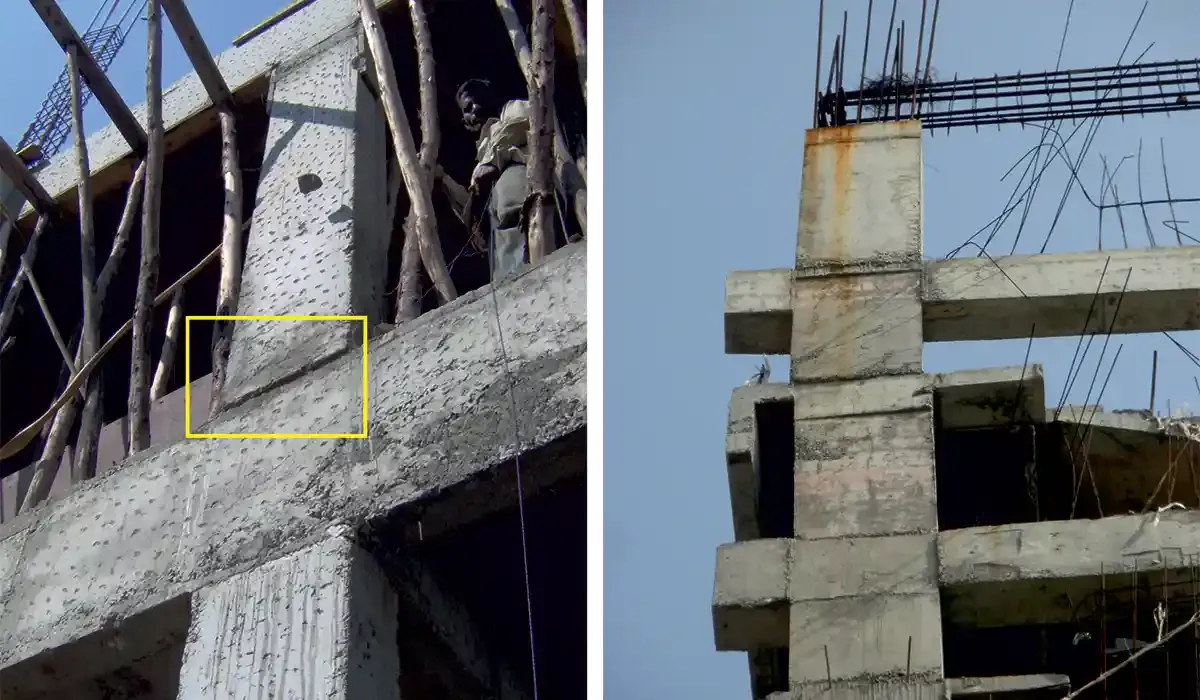
This often results in fatal design flaws like misaligned columns, inadequate support beams, or disproportionate floor loads. In complex buildings, even a minor miscalculation can create a ripple effect that compromises the entire structure. When these oversights go unnoticed or are ignored, the result is often catastrophic.
The foundation is the heart of any building, yet it’s frequently overlooked or rushed during construction. Erecting buildings on weak or unsuitable soil—like clay, reclaimed land, or waterlogged ground—without adequate soil testing can result in differential settling. Over time, this causes cracks to form in walls, floors to tilt, and structural elements to shift.
These warning signs, if not addressed promptly, can culminate in collapse. Some developers also fail to reinforce foundations properly, skipping necessary pilings or using shallow footings for high-rise structures. Without a solid base, even the strongest-looking buildings are structurally unsound.
Many building owners make unauthorized alterations to maximize space or increase rental income—such as adding extra floors, removing load-bearing walls, or converting balconies into enclosed rooms. These changes disturb the building’s original load distribution and structural design.
For example, adding an extra floor increases the weight on a foundation that was never designed to support it. Removing a pillar or a wall may create an open space but also removes critical support. Such modifications, if not guided by structural engineers, often compromise the building’s integrity and significantly raise the risk of collapse.
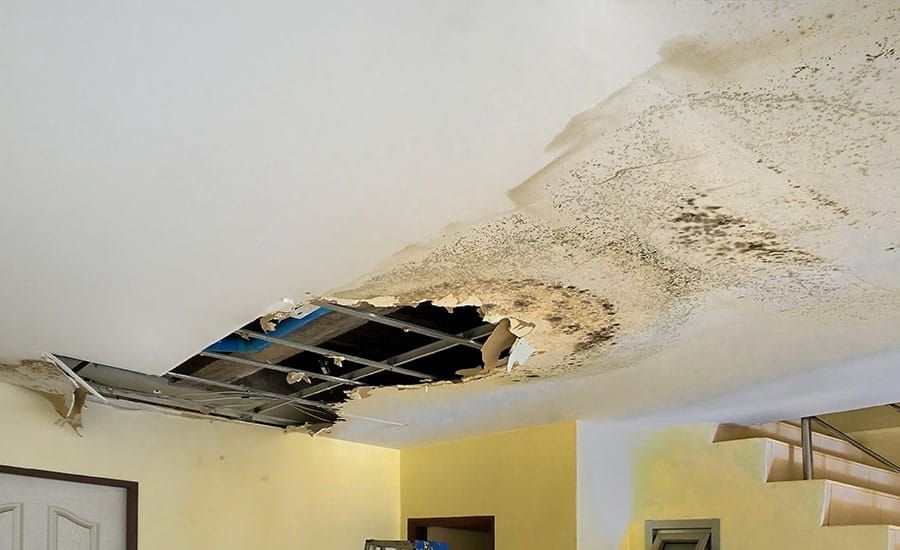
Structural maintenance is often neglected, especially in older buildings. Cracks in walls, water leakage, rusted reinforcements, and sagging ceilings are frequently ignored or patched up without addressing the root problem. Water infiltration weakens both steel and concrete, and over time, these minor issues escalate into major structural vulnerabilities.
Buildings are living systems that require regular inspections and timely repairs. When these are overlooked due to negligence, financial constraints, or simple apathy, the structure continues to decay silently until it reaches a point of no return.
While natural disasters such as earthquakes, floods, and heavy rains are often blamed for building collapses, they are usually not the root cause. In truth, well-designed and properly built structures are meant to withstand a significant degree of natural stress. What these events often do is expose underlying faults—like a poor foundation, corroded reinforcements, or inadequate materials.
A strong wind or a minor quake may be enough to bring down an already compromised structure. Thus, nature acts not as the main villain, but as the final trigger in a chain of preventable failures.




0 comments