
Your Read is on the Way
Every Story Matters
Every Story Matters
The Hydropower Boom in Africa: A Green Energy Revolution Africa is tapping into its immense hydropower potential, ushering in an era of renewable energy. With monumental projects like Ethiopia’s Grand Ethiopian Renaissance Dam (GERD) and the Inga Dams in the Democratic Republic of Congo, the continent is gearing up to address its energy demands sustainably while driving economic growth.
Northern Kenya is a region rich in resources, cultural diversity, and strategic trade potential, yet it remains underutilized in the national development agenda.

Can AI Help cure HIV AIDS in 2025

Why Ruiru is Almost Dominating Thika in 2025

Mathare Exposed! Discover Mathare-Nairobi through an immersive ground and aerial Tour- HD

Bullet Bras Evolution || Where did Bullet Bras go to?
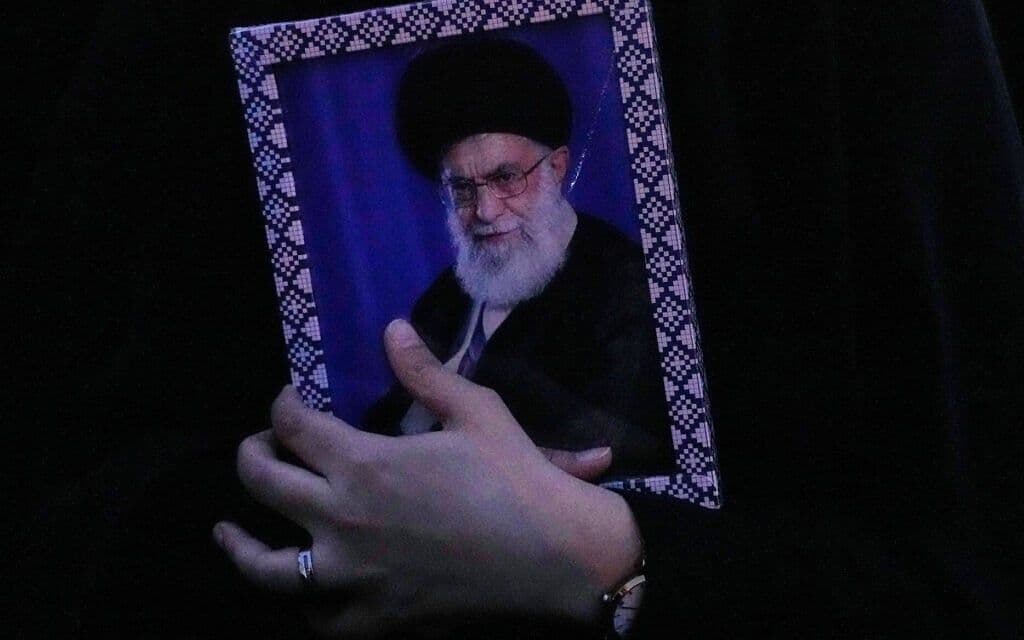
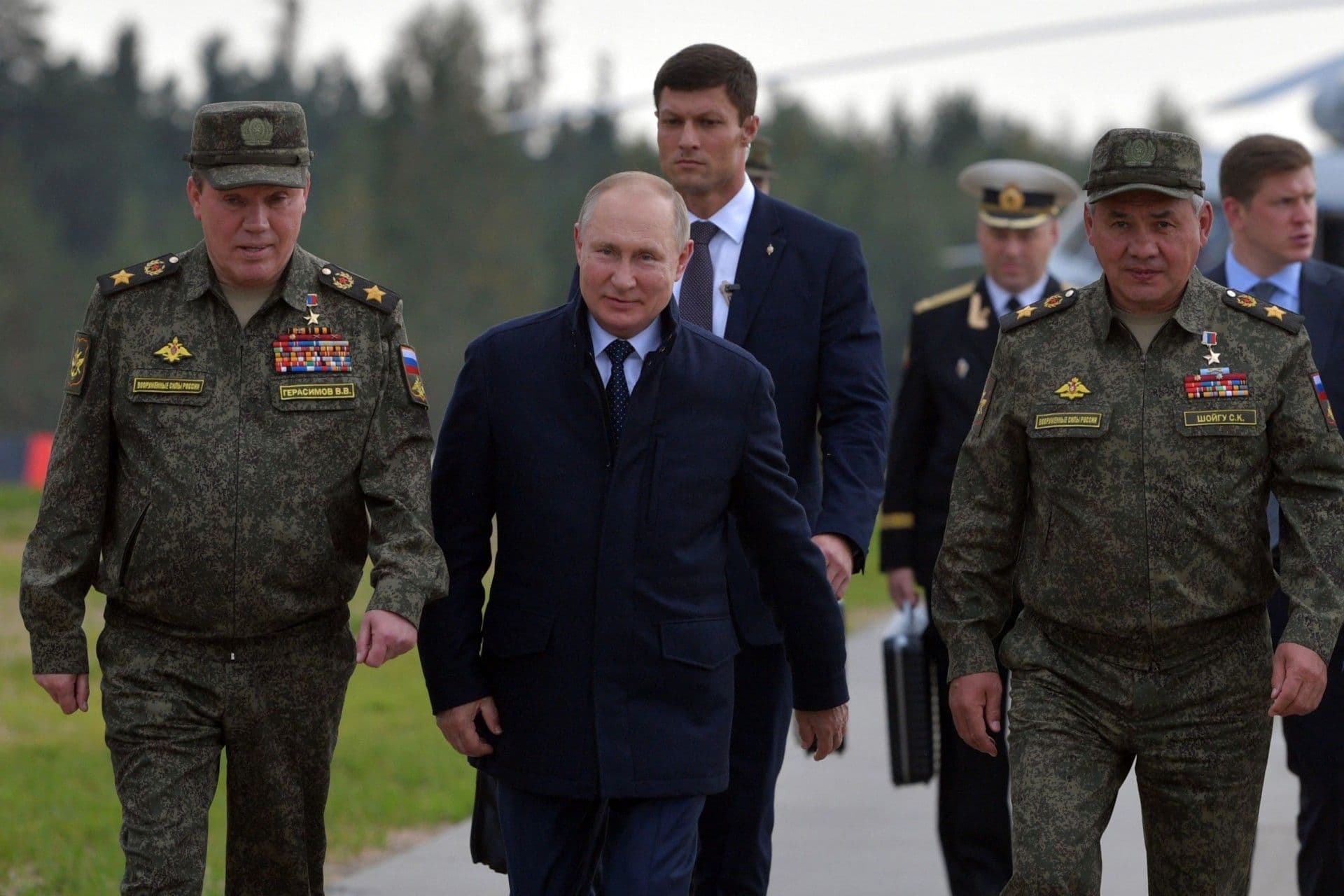
Moscow’s Official Line: Support for Tehran, Calls for Restraint
Russia has positioned itself publicly as a defender of regional stability while criticizing the military actions taken by the United States and Israel against Iran. Statements from the Kremlin emphasize that further escalation risks plunging the Middle East into a wider war.
Vladimir Putin has urged diplomatic negotiations and warned that continued strikes on Iranian territory could destabilize the entire region. While Moscow’s rhetoric has clearly leaned in favor of Iran, the Kremlin has carefully avoided language that would signal direct military involvement.
This balancing act reflects a familiar Russian strategy: backing an ally politically while keeping enough distance to avoid a direct clash with the West.
The Deep Strategic Relationship Between Russia and Iran
Russia and Iran have built one of the most significant geopolitical partnerships in Eurasia over the past decade. Their cooperation accelerated dramatically after Western sanctions hit both countries.
Energy coordination, weapons development, and military cooperation have become key pillars of this relationship. Iran has provided Russia with drone technology used in the war in Ukraine, while Russia has assisted Iran with advanced military systems and aerospace capabilities.
In 2025, the two countries formalized their cooperation through a broad strategic partnership agreement covering defense collaboration, economic cooperation, and intelligence sharing. The agreement strengthened their political alignment but stopped short of creating a mutual defense pact.
This means Russia is not legally obligated to enter a war on Iran’s behalf.
Intelligence and Military Coordination
Although Russia has not deployed troops, many analysts believe Moscow is assisting Tehran in subtler ways. Intelligence sharing is widely suspected to be one of the most important forms of support.
Russia possesses sophisticated satellite surveillance capabilities and advanced electronic monitoring systems. Sharing even limited information about troop movements, missile launches, or naval deployments could significantly strengthen Iran’s defensive and offensive planning.
There is also speculation that Russian military advisors and technical specialists may be helping Iran maintain or upgrade its missile and air defense systems. Such involvement would be difficult to confirm publicly but would fit the pattern of covert cooperation seen in previous conflicts.
Why Russia Is Avoiding Direct Military Intervention
Despite its close partnership with Iran, Russia has strong reasons to remain cautious.
First, Moscow is still deeply engaged in the war in Ukraine and cannot easily commit resources to another major confrontation. Opening a new front against Western-backed forces would stretch Russia’s military capacity and increase the risk of escalation.
Second, a direct Russian military role could trigger a dangerous confrontation with the United States. Moscow has consistently tried to avoid a direct clash with Washington, even while opposing its policies.
Third, Russia maintains working relationships with several Middle Eastern countries that have tense relations with Iran. These include important economic partners and energy producers whose cooperation Moscow does not want to jeopardize.
Strategic Benefits for Moscow
Even without firing a single shot, Russia may still gain from the geopolitical consequences of the conflict.
Heightened instability in the Middle East tends to push global oil prices higher, which benefits Russia’s energy exports. At the same time, Western governments become distracted by a new crisis, potentially reducing the focus and resources devoted to Ukraine.
From Moscow’s perspective, a prolonged but contained conflict could weaken Western influence while strengthening Russia’s role as a power broker in regional diplomacy.
The Likely Reality
The most realistic assessment is that Russia is supporting Iran politically and strategically while avoiding direct war.
Moscow’s approach appears to involve several layers of support:
At the same time, Russia has stopped short of deploying forces or formally entering the conflict.
This strategy allows the Kremlin to stand with an ally without triggering a broader confrontation that could spiral into a global war.




0 comments