
Your Read is on the Way
Every Story Matters
Every Story Matters
The Hydropower Boom in Africa: A Green Energy Revolution Africa is tapping into its immense hydropower potential, ushering in an era of renewable energy. With monumental projects like Ethiopia’s Grand Ethiopian Renaissance Dam (GERD) and the Inga Dams in the Democratic Republic of Congo, the continent is gearing up to address its energy demands sustainably while driving economic growth.
Northern Kenya is a region rich in resources, cultural diversity, and strategic trade potential, yet it remains underutilized in the national development agenda.
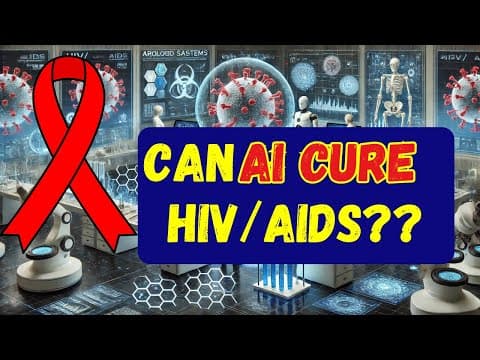
Can AI Help cure HIV AIDS in 2025

Why Ruiru is Almost Dominating Thika in 2025

Mathare Exposed! Discover Mathare-Nairobi through an immersive ground and aerial Tour- HD

Bullet Bras Evolution || Where did Bullet Bras go to?
Morticians, also known as funeral directors or undertakers, are trained professionals responsible for overseeing all aspects of funerals and the care of the deceased. Their work encompasses both the technical handling of the body and the emotional support offered to families. This unique role places them at the intersection of science, service, and solemn tradition.
One of the core duties of a mortician is body preparation. This typically involves embalming—a process where blood is replaced with preservative fluids to slow decomposition. The mortician may also perform restorative art, including facial reconstruction, cosmetic makeup, and dressing the body for viewing. Every step is done with precision and care to ensure the deceased is presented in a respectful and comforting manner for loved ones.
In cases of trauma or illness, morticians may go further—using waxes, dyes, sutures, or prosthetics to restore a natural appearance. Their skill can be crucial in helping families say goodbye with peace and closure.
Morticians coordinate funerals, memorials, or cremation ceremonies. They liaise with religious leaders, cemetery managers, florists, and caterers. In many cases, they help families select caskets or urns, schedule services, and even draft obituaries. They also handle all required paperwork: death certificates, burial permits, transportation documents, and legal compliance.
Their calm, methodical guidance ensures that even amid grief, logistics run smoothly. For many families, the mortician becomes a source of stability during a painful time.
Beyond the procedural, morticians are often quiet pillars of support. They help families navigate emotional terrain, offering empathy, patience, and sometimes grief counseling resources. While they may not be licensed therapists, their experience allows them to offer grounded advice and gentle presence, especially when the death is sudden or traumatic.
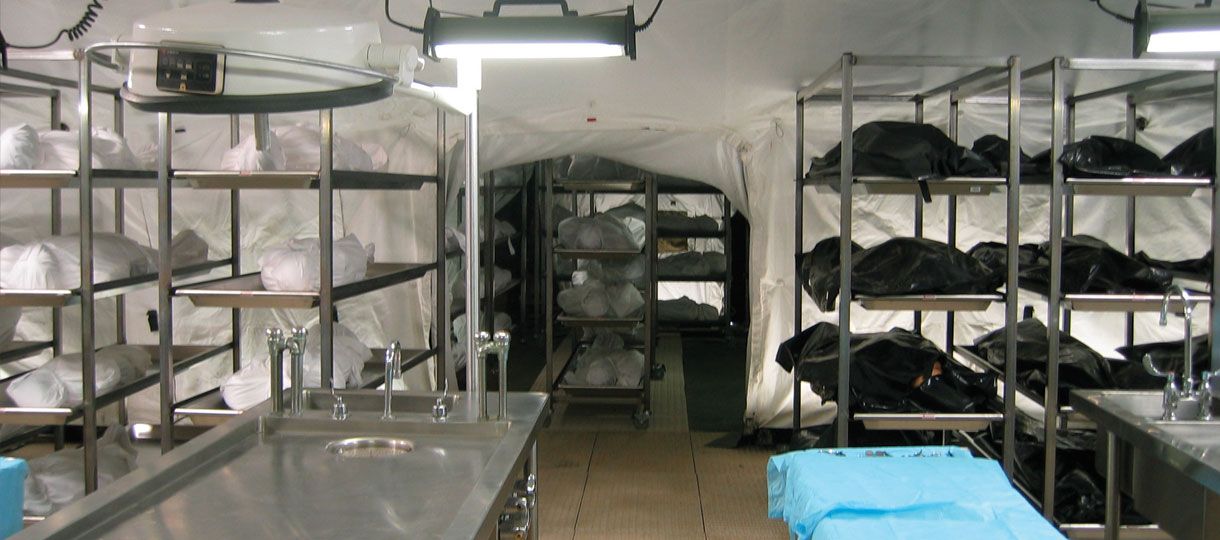
Many morticians are trained in bereavement care, and some even work closely with hospices, hospitals, and religious institutions to provide holistic end-of-life support.
Becoming a mortician requires specialized education. Most jurisdictions require a degree in mortuary science—a program that includes anatomy, physiology, pathology, embalming, ethics, and grief psychology. After formal education, aspiring morticians often complete apprenticeships under licensed professionals. Licensure typically involves passing both written and practical exams.
Morticians must uphold a strict ethical code, particularly around confidentiality, body handling, and cultural sensitivity. Their professional responsibilities often extend to understanding religious rites, customs, and mourning rituals from many communities.
Working with death every day is not for the faint-hearted. Morticians often witness intense grief, family conflict, or tragic circumstances. Long hours, including nights and weekends, are common. Yet, for those called to this profession, there is immense purpose. Helping families find peace, honoring the dignity of the deceased, and preserving cultural rites makes this a vocation of deep service and humanity.
Morticians are rarely in the public eye, but they are vital in every community. Their presence makes mourning manageable, rituals meaningful, and death less frightening. In a world where loss is inevitable, morticians offer the structure, skill, and empathy needed to navigate one of life’s most difficult journeys with dignity.



0 comments