
Your Read is on the Way
Every Story Matters
Every Story Matters
The Hydropower Boom in Africa: A Green Energy Revolution Africa is tapping into its immense hydropower potential, ushering in an era of renewable energy. With monumental projects like Ethiopia’s Grand Ethiopian Renaissance Dam (GERD) and the Inga Dams in the Democratic Republic of Congo, the continent is gearing up to address its energy demands sustainably while driving economic growth.
Northern Kenya is a region rich in resources, cultural diversity, and strategic trade potential, yet it remains underutilized in the national development agenda.

Can AI Help cure HIV AIDS in 2025

Why Ruiru is Almost Dominating Thika in 2025

Mathare Exposed! Discover Mathare-Nairobi through an immersive ground and aerial Tour- HD

Bullet Bras Evolution || Where did Bullet Bras go to?
In the colorful and culturally rich landscape of Thailand’s wellness tourism, one unconventional but increasingly popular method of relaxation stands out—Doctor Fish therapy. This peculiar yet effective treatment is more than just a novelty; it’s a blend of biology and traditional healing that taps into Thailand’s holistic wellness ethos.
Often offered in bustling street-side spas or tucked away in high-end wellness resorts, the therapy invites participants to soak their feet in clear, temperate tanks full of tiny fish known as Garra rufa. As these fish nibble away the dead skin from the feet, guests are often surprised by the light, buzzing sensation—something between a tickle and a gentle massage. Over the course of just 15 to 30 minutes, stress seems to wash away with the rippling water, making it an enjoyable and truly memorable form of stress management.
The magic behind Doctor Fish therapy lies in the Garra rufa, often called “nibble fish” or “kissing fish,” due to their unique behavior. These freshwater fish are native to the Middle East but have found a home in wellness centers around the globe—Thailand being one of the top destinations for the practice. What sets these fish apart is their lack of teeth; instead of biting or scraping, they create a gentle suction as they feed on the dead cells on the surface of the skin.
This microexfoliation not only leaves the feet feeling softer and smoother but also stimulates nerve endings. Scientific research has noted that such sensory stimulation can help trigger the release of endorphins—natural mood enhancers—and reduce levels of cortisol, the primary stress hormone. Moreover, the process is believed to enhance blood circulation and improve lymphatic flow, contributing to a broader sense of physical well-being and stress reduction.
Beyond its physical effects, Doctor Fish therapy taps into an often overlooked but powerful avenue of mental wellness: tactile stimulation. The soft, rhythmic sensation of dozens of tiny fish brushing against the skin can induce a state of deep relaxation, similar to that achieved during mindfulness meditation. For individuals dealing with high levels of stress, anxiety, or fatigue, this sensory experience can be grounding and therapeutic.
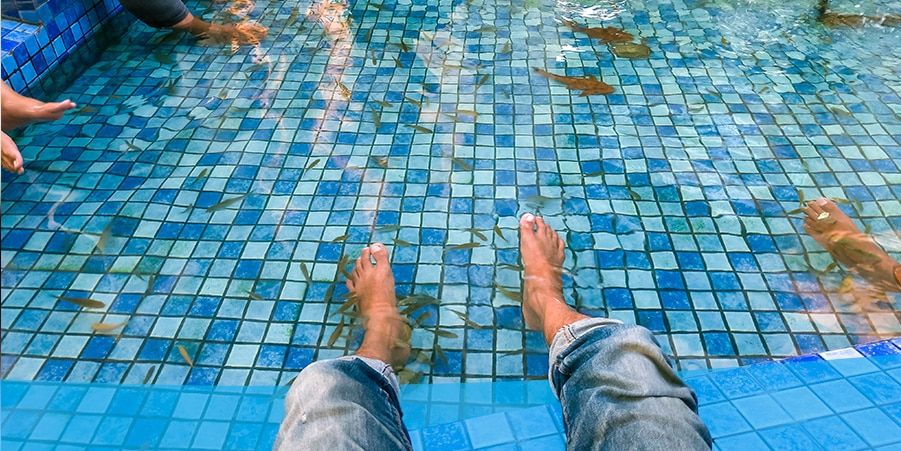
While many first-timers are apprehensive, most report a rapid shift from discomfort to delight as they grow accustomed to the feeling. The treatment requires no effort from the participant, allowing them to simply sit back and relax—something particularly valuable in today's hyper-productive world. In some cases, spa-goers even describe entering a meditative or trance-like state during the session, further contributing to its mental health benefits.
Thailand has long been a hub for natural and spiritual healing practices, and Doctor Fish therapy aligns seamlessly with this tradition. From herbal compresses to reflexology and Thai massage, the country's wellness culture emphasizes harmony between the body and mind. Doctor Fish spas, often found in night markets or near Buddhist temples, fit well within this broader landscape. Unlike synthetic treatments or high-tech therapies, this form of care relies on nature's own rhythm, making it both accessible and sustainable.
Thai spa owners often pair the therapy with calming background music, aromatic oils, and herbal teas, creating a full sensory experience. While tourists may try it out for novelty, locals view it as part of their routine health maintenance. It represents the Thai philosophy that true wellness comes not from fighting the body’s issues aggressively, but from gently restoring balance.
What makes Doctor Fish therapy especially appealing is its accessibility. It is suitable for people of all ages and backgrounds, from stressed corporate workers to traveling retirees and curious children. Unlike more intensive treatments like acupuncture or deep-tissue massage, there are no needles, oils, or uncomfortable manipulations involved. This makes it an excellent option for people who might be sensitive to touch or wary of invasive procedures.
Additionally, it requires little time—just a short 20-minute session can yield noticeable benefits—making it ideal for those with busy schedules. However, it is important to note that the practice might not be suitable for individuals with open wounds or skin infections, as hygiene is a crucial factor. Reputable Thai spas ensure high sanitation standards, with fresh water and clean tanks used between clients. These precautions help make the experience not just relaxing, but safe as well.




0 comments