
Your Read is on the Way
Every Story Matters
Every Story Matters
The Hydropower Boom in Africa: A Green Energy Revolution Africa is tapping into its immense hydropower potential, ushering in an era of renewable energy. With monumental projects like Ethiopia’s Grand Ethiopian Renaissance Dam (GERD) and the Inga Dams in the Democratic Republic of Congo, the continent is gearing up to address its energy demands sustainably while driving economic growth.
Northern Kenya is a region rich in resources, cultural diversity, and strategic trade potential, yet it remains underutilized in the national development agenda.

Can AI Help cure HIV AIDS in 2025

Why Ruiru is Almost Dominating Thika in 2025

Mathare Exposed! Discover Mathare-Nairobi through an immersive ground and aerial Tour- HD

Bullet Bras Evolution || Where did Bullet Bras go to?
Leadership in many parts of the world is often marked by officialdom—suits, policies, press briefings, and slow-moving bureaucracy. But in Chogoria, a rural town nestled in Tharaka Nithi County, leadership now wears aprons and rubber boots. A new generation of local women traders has redefined what it means to lead a community. Far from boardrooms or government chambers, these women are proving that true leadership stems from necessity, not titles.
When a long-promised market project threatened to fall into the usual cycle of delays and substandard delivery, they didn’t write complaints or stage protests. They simply showed up. Every single day. Their actions have birthed a form of civic vigilance that’s as unconventional as it is effective.
For these women, this project isn’t just about concrete and steel—it’s about rewriting their lives. Many have spent decades hawking vegetables, grains, and secondhand clothes under punishing weather, surrounded by chaos and unregulated competition. Their current open-air market offers no protection from the scorching sun or torrential rains, no hygiene standards, and little space for growth.
The launch of a new, structured market promised to change that reality. But hopes alone don’t guarantee results. Knowing this, the traders—most of whom are single mothers and primary breadwinners—decided not to stand by and hope. They became guardians of the project, taking turns to visit the construction site, not as spectators but as stakeholders. They saw themselves not just as recipients of development but as its drivers.
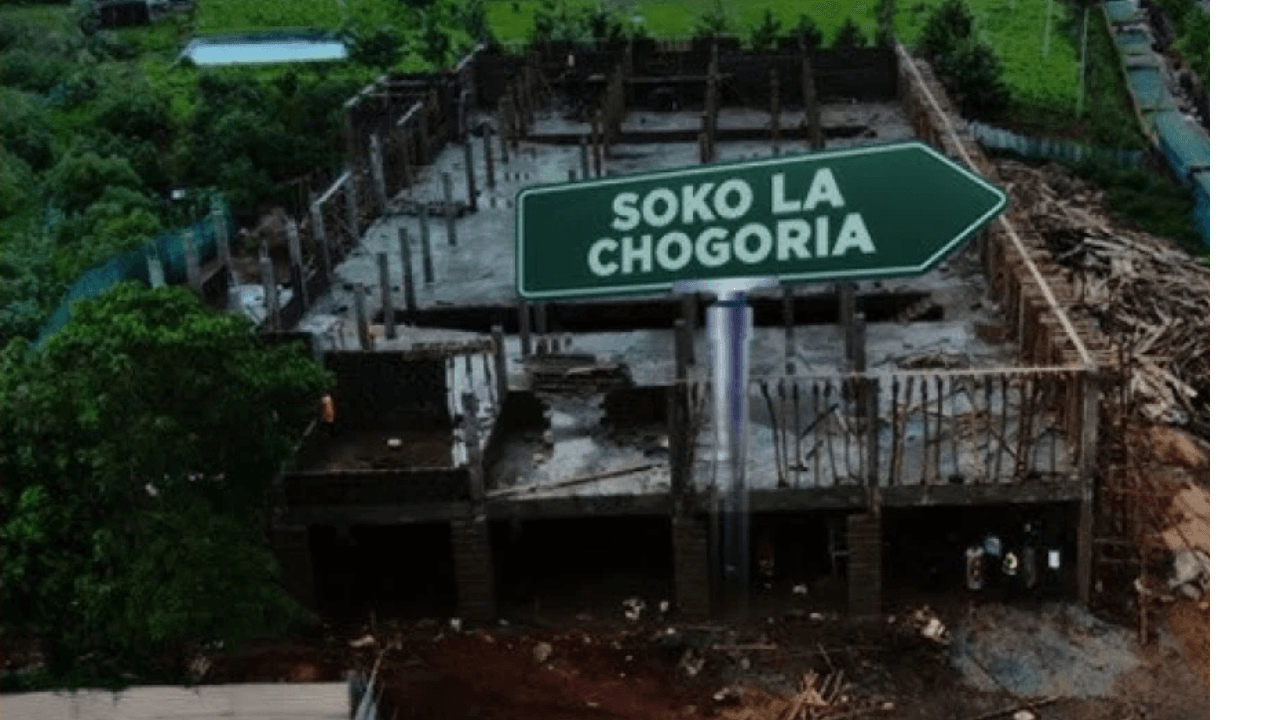
What sets these women apart is not their ability to complain about delays or broken promises, but their tireless commitment to being present. Every morning begins with a visit to the site. The chairlady of the market association, Lydia Mukami, and others walk the grounds, check on workers, and note any changes or setbacks. Their approach is non-confrontational yet firm.
They ask the workers why the cement has stalled or why certain areas haven't been leveled. They inquire about material shortages and timelines. These daily walk-throughs, done without any formal mandate or government support, have created a rhythm of accountability that no audit report or oversight committee could replicate. Their constant presence ensures the contractors remain aware that the community is watching—and cares deeply.
Beyond the visible transformation of a new market space, something more profound is happening. These women are reclaiming control over their economic destiny. A modern market will offer more than stalls and shelters; it will provide a sanitary trading environment, reduce losses from weather-damaged goods, and increase customer confidence. Furthermore, it gives these women a stronger position in their families and communities, showing that their work matters and their voices can shape development.
For many, it's the first time they’ve felt their concerns are taken seriously, not as charity but as rights. This movement has also provided informal jobs for youth in the area, from casual construction roles to food vending around the site—proving that progress spreads when community involvement is genuine.
The Chogoria story may not appear in official development reports, but it’s creating ripples far beyond its dusty roads. Government officials have started taking note, with some visiting the site and praising the women's involvement. Yet the real reward lies not in recognition but in results. The market is steadily taking shape, and the traders’ belief in collective action is stronger than ever.
Their approach is simple: show up, speak up, and stay consistent. This kind of citizen-led monitoring—free from political bias or personal gain—offers a model for other communities facing similar development challenges. If replicated elsewhere, it could revolutionize how public projects are executed, transforming ordinary people into everyday heroes of accountability.






0 comments