
Your Read is on the Way
Every Story Matters
Every Story Matters
The Hydropower Boom in Africa: A Green Energy Revolution Africa is tapping into its immense hydropower potential, ushering in an era of renewable energy. With monumental projects like Ethiopia’s Grand Ethiopian Renaissance Dam (GERD) and the Inga Dams in the Democratic Republic of Congo, the continent is gearing up to address its energy demands sustainably while driving economic growth.
Northern Kenya is a region rich in resources, cultural diversity, and strategic trade potential, yet it remains underutilized in the national development agenda.

Can AI Help cure HIV AIDS in 2025

Why Ruiru is Almost Dominating Thika in 2025

Mathare Exposed! Discover Mathare-Nairobi through an immersive ground and aerial Tour- HD

Bullet Bras Evolution || Where did Bullet Bras go to?
A New Current: Turning Water Into Power, and Power Into Progress
In the lush, often-overlooked stretches of South Nyanza, a transformation is quietly gaining momentum. At the center of it stands the Gogo Hydropower Plant—a once modest facility now poised for a radical evolution. Fueled by a Sh5 billion investment and guided by Energy Cabinet Secretary Opiyo Wandayi’s vision, the upgrade is not just about electricity. It’s about rewriting the development narrative for an entire region.
The inclusion of an irrigation scheme into the power plant’s blueprint is both symbolic and strategic. It’s a signal that development isn’t a single-track process. Instead, it’s a layered, interconnected journey where water can grow both crops and communities, and energy can fuel everything from factories to futures.
The Shift: From Power Deficit to Development Dynamo
South Nyanza’s history with power shortages has long dimmed its economic prospects. The Gogo plant’s expansion is more than a fix—it’s a foundation. A surge in power generation will do more than light homes; it will energize enterprise, enable digital access, and attract investment to a region that’s been side-lined by infrastructural neglect.
As the plant scales up, it’s expected to spark employment not only during construction but also through secondary industries—agro-processing, manufacturing, and service sectors that rely on stable energy. This is more than just a utility upgrade; it’s a spark for socio-economic ignition.
Water, Wisely Used: The Irrigation Revolution
Water flowing through turbines doesn’t have to stop at electricity. With irrigation now part of the equation, the Gogo project is set to become a multifaceted lifeline. By extending this resource into farms and fields, the government is amplifying the plant’s potential to address food insecurity and support local agriculture.
This integration signals a holistic shift. Instead of treating infrastructure in silos, the government is threading together systems—electricity, agriculture, clean water—into a tapestry of resilience. With Sh1.6 billion allocated, including an impactful Sh800 million from REREC, the financial backbone is already in place. The only thing left is execution with community collaboration.
Leadership, Unity, and the Call to Collaborate
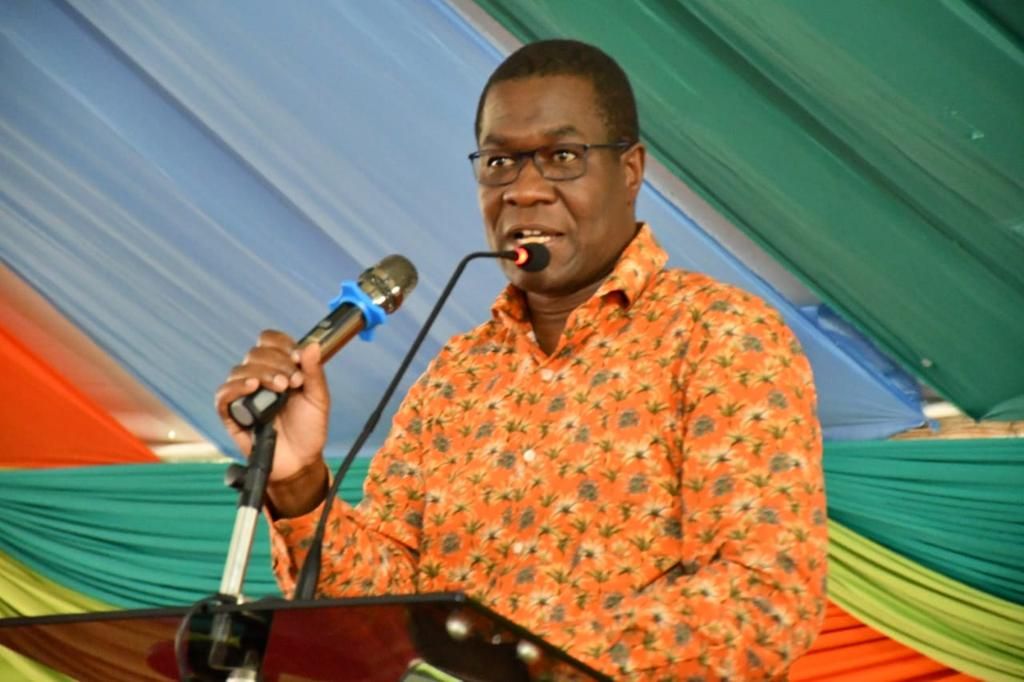
CS Wandayi’s visit was more than ceremonial—it was a calculated call to unity. His push for the local community to align with President William Ruto’s development agenda echoes a critical political reality: development requires harmony. Not just among leaders, but between people and policy.
Wandayi’s praise of a leadership style that empowers rather than dictates is an endorsement of decentralized accountability. Local leaders, like Migori Governor Ochilo Ayacko, reinforced this message. Their shared vision? Leadership that listens, mobilizes, and delivers.
Tree by Tree: Greening the Grid
Development is no longer just about growth—it’s about sustainable growth. That’s why CS Wandayi’s tree planting at Midida Comprehensive School wasn’t a photo-op, but a strategic gesture. As climate change looms, Kenya’s reforestation initiative aligns environmental responsibility with economic vision.
The Presidential National Tree Growing and Restoration
Campaign isn’t just about carbon offsets—it’s about ecosystems that nourish agriculture, preserve biodiversity, and protect hydropower sources from siltation and degradation. It’s about the future of water—the very fuel of the Gogo plant.
Local Leaders, National Stakes
Migori’s leaders know that unity isn't optional—it’s existential. The region’s prosperity hinges on a coalition of voices pushing for visibility, investment, and results. In Kenya’s resource-scarce environment, those who shout together are heard louder.
The Gogo project offers a model for what’s possible when local leadership aligns with national infrastructure. This isn’t just about power and water—it’s about influence. Regional development demands a seat at the national table, and projects like Gogo are the tickets in.
Economic Ripple Effects and the Road Ahead
The Gogo plant will do more than boost the grid. It will diversify the economy. Farmers will shift from rain-fed to irrigated agriculture, increasing yield predictability and food security. Entrepreneurs will venture into agri-businesses and value-addition industries. Households will gain access to affordable power, reducing dependency on biomass and kerosene.
Tourism too may benefit. A greener, more accessible Migori could attract eco-tourism and adventure seekers, especially with conservation initiatives complementing the development push.
Beyond Borders: Regional and Global Significance
Gogo isn’t just a regional project—it’s a potential blueprint. With its dual-focus on energy and irrigation, and a nod to environmental stewardship, the plant exemplifies the kind of layered infrastructure African nations must pursue.
This project sets the stage for possible international partnerships—climate finance, renewable tech, and rural development experts may find in Gogo a compelling case study for scalable, replicable progress.
Conclusion: The Power to Transform Lies in Integration
As Kenya navigates its development journey, the Gogo Hydropower Plant reminds us that true progress isn’t piecemeal—it’s integrated. Power alone won’t solve poverty. Irrigation alone won’t spark industry. Environmental conservation alone won’t secure futures. But together? They form a formula for transformation.
The success of Gogo will depend on leadership, unity, execution, and community buy-in. If these elements align, Migori could become a beacon for how rural infrastructure, when thoughtfully planned and holistically designed, can electrify economies, nourish communities, and inspire nations.






0 comments