
Your Read is on the Way
Every Story Matters
Every Story Matters
The Hydropower Boom in Africa: A Green Energy Revolution Africa is tapping into its immense hydropower potential, ushering in an era of renewable energy. With monumental projects like Ethiopia’s Grand Ethiopian Renaissance Dam (GERD) and the Inga Dams in the Democratic Republic of Congo, the continent is gearing up to address its energy demands sustainably while driving economic growth.
Northern Kenya is a region rich in resources, cultural diversity, and strategic trade potential, yet it remains underutilized in the national development agenda.

Can AI Help cure HIV AIDS in 2025

Why Ruiru is Almost Dominating Thika in 2025

Mathare Exposed! Discover Mathare-Nairobi through an immersive ground and aerial Tour- HD

Bullet Bras Evolution || Where did Bullet Bras go to?
When American companies began pulling the plug on long-standing manufacturing contracts, it sent a chill through the industrial belts of China. These abrupt cancellations weren’t isolated incidents but part of a broader shift in geopolitical and economic winds. For many Chinese suppliers who had spent decades fine-tuning their systems to serve Western clients, the sudden drop in orders felt like a betrayal and a wake-up call. For years, the U.S. had been the primary destination for Chinese exports in everything from electronics to textiles. Now, that dependency was being questioned, and survival demanded a new game plan.
But rather than crumble under the weight of uncertainty, China’s manufacturers quickly regrouped. In a matter of months, they began to engineer a response not rooted in panic, but in possibility. The story unfolding now is less about crisis and more about reinvention, an industrial recalibration that is reshaping the way Chinese firms engage with the world.
The most immediate and visible shift has been geographical. With U.S. orders evaporating, factories in regions like Guangdong, Jiangsu, and Zhejiang began scouting for new markets. Instead of chasing after more business from increasingly cautious Western buyers, many turned their attention to the Global South, regions that are hungry for industrial goods but often overlooked in global trade.
Indonesian retailers, Kenyan wholesalers, and Brazilian tech firms began filling the gap left by American clients. Some manufacturers adjusted their product lines to cater to local tastes abroad. A children’s toy manufacturer once reliant on big-box American chains is now shipping custom batches to Vietnam and South Africa. The volumes may be smaller, but the margins are better, and the competition is less fierce. Importantly, these new partners are more open to building long-term relationships, rather than treating Chinese suppliers as expendable links in a larger profit chain.
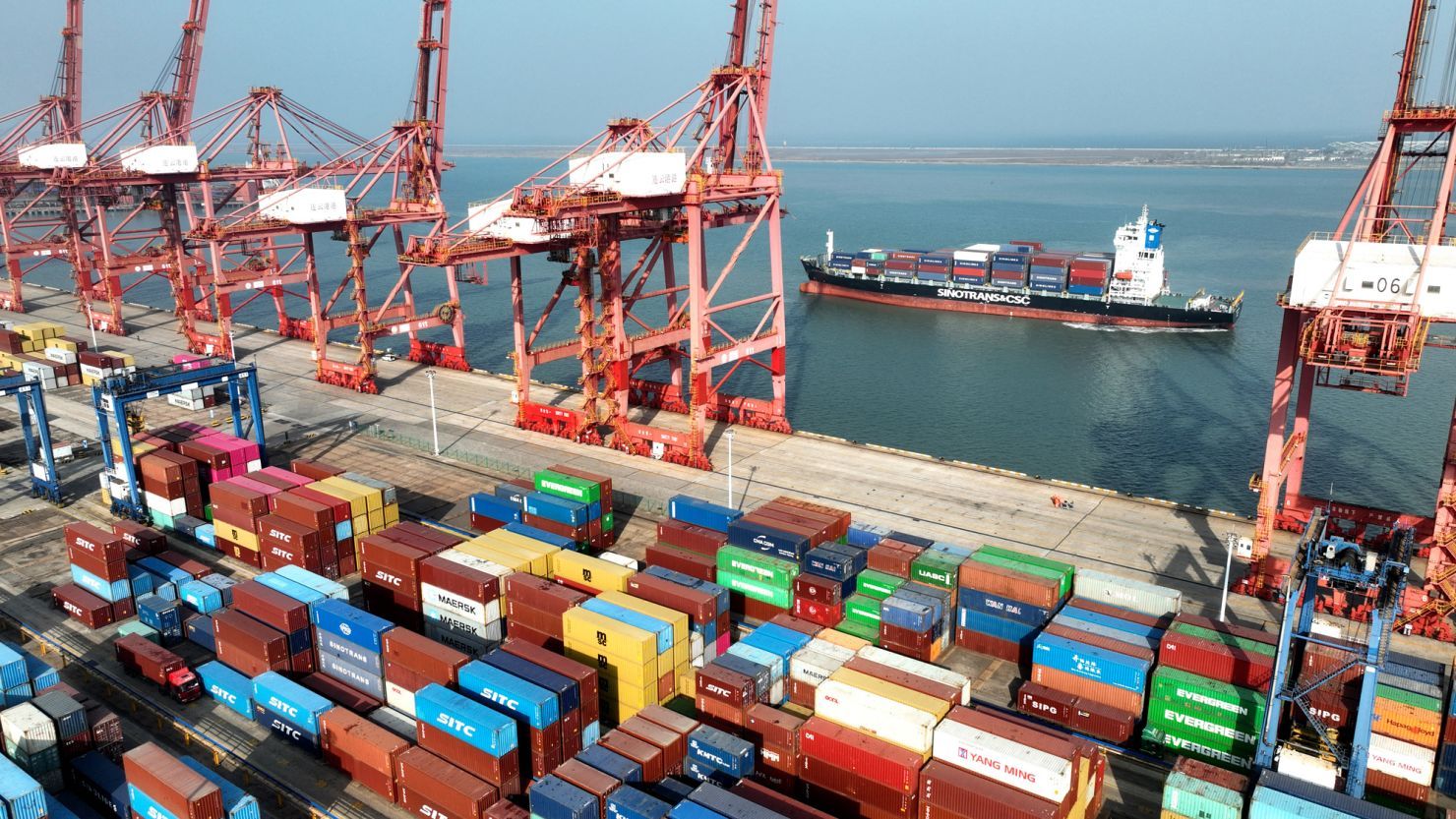
One of the most notable evolutions has been internal. Realizing that agility would be the key to survival, many factories have embraced automation and artificial intelligence with a speed that surprises even seasoned observers. Robotic arms, real-time inventory tracking systems, and predictive maintenance tools are no longer luxury additions. They are essential elements of the post-crisis production model.
This technological upgrade serves multiple purposes. First, it allows smaller teams to produce at higher speeds and with better consistency. Second, it reduces dependency on skilled labor that has grown more expensive. And third, it provides Chinese factories with the flexibility to switch between product types with minimal downtime, enabling them to accommodate diverse clients across different continents.
By streamlining operations, manufacturers have managed to lower costs while maintaining, or even improving, quality. That has proven critical as they court more cost-conscious clients outside traditional Western markets.
Beyond efficiency, a deeper cultural shift is underway: the rethinking of China’s export identity. For decades, Chinese factories operated largely as OEMs, original equipment manufacturers, producing goods designed, marketed, and branded by foreign companies. That model brought scale, but also dependency and razor-thin margins.

Now, many of those same factories are building their own brands. In electronics, fashion, household goods, and even industrial tools, Chinese names are appearing more frequently in global catalogs. With e-commerce platforms and direct-to-consumer logistics becoming more accessible, the need for Western intermediaries is fading fast.
These factories are no longer just making the world’s products. They want to own the narrative around them. This shift from invisible manufacturer to recognized producer isn’t just about pride. It’s about profit, control, and long-term sustainability.
What initially seemed like a short-term crisis is revealing itself as the spark for a long-term strategic evolution. Chinese manufacturers, having tasted the vulnerability of overreliance on a single market, are no longer content to be at the mercy of Western demand cycles. Instead, they are charting a multipolar path that sees China exporting not just to the United States and Europe, but to every region with growth potential.
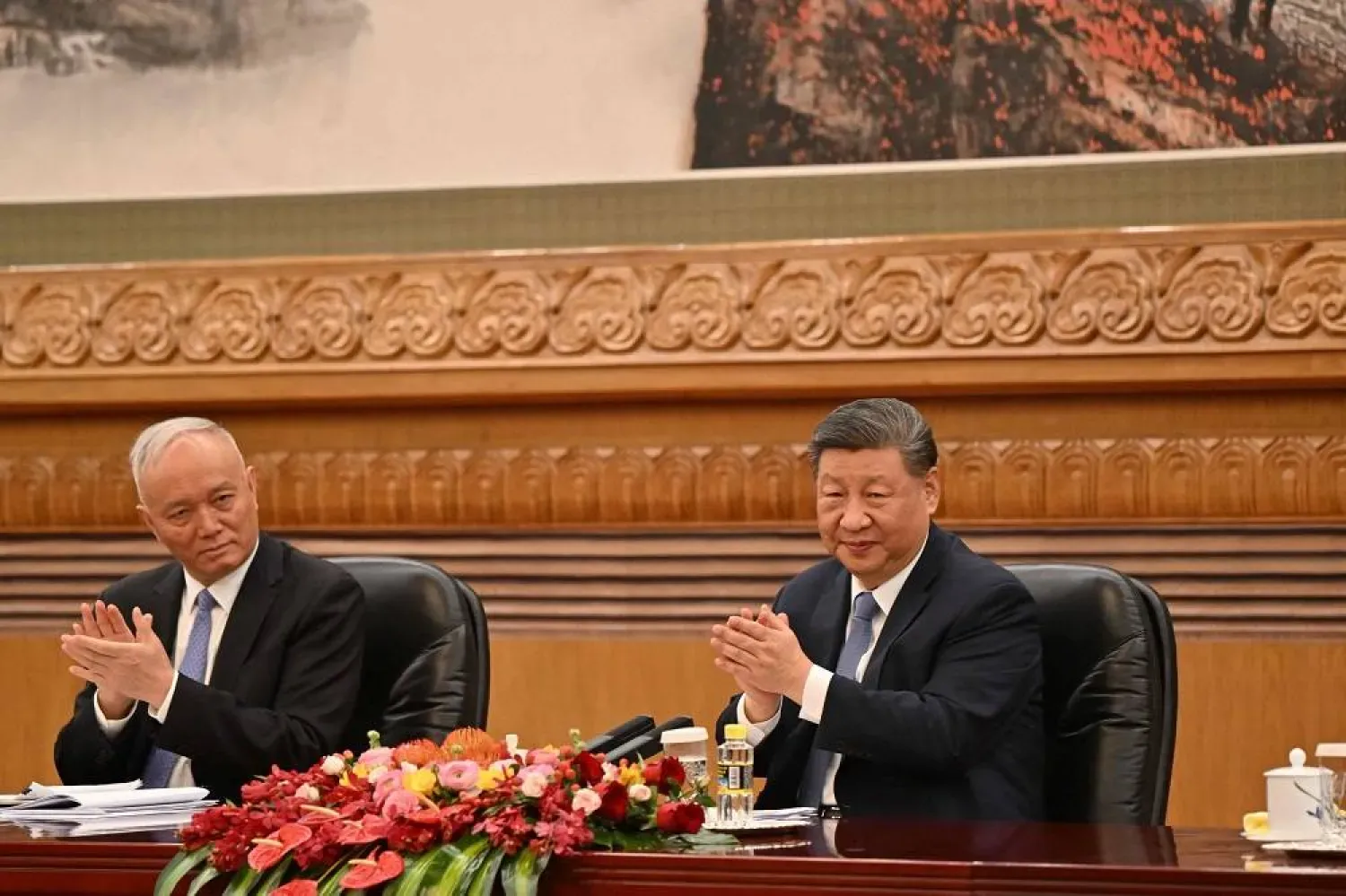
Government incentives, local financing schemes, and growing domestic demand are also helping to stabilize this transformation. Many producers are diversifying their offerings, expanding into green tech, electric vehicles, smart appliances, and renewable energy components, sectors with booming global demand.
At the heart of this evolution is a new ethos: resilience through diversification. The cancellation of American contracts may have caught manufacturers off guard, but the response has been swift and strategic. Instead of shrinking, they are stretching, building new relationships, investing in smarter production, and reimagining their place in the global economy.
The loss of U.S. contracts was never just about money. It was about dependence, identity, and direction. In losing a major client, China’s manufacturing sector found a deeper sense of purpose. The transition hasn't been without challenges, but the momentum now seems irreversible.
Factories that once functioned as anonymous cogs in the global machine are finding their own voice, and their own audiences. They are not merely surviving the blow. They are rewriting the rules.
What was meant to be a setback has become a springboard. And in the long arc of global commerce, that may be China’s most strategic move yet.






0 comments