
Your Read is on the Way
Every Story Matters
Every Story Matters
The Hydropower Boom in Africa: A Green Energy Revolution Africa is tapping into its immense hydropower potential, ushering in an era of renewable energy. With monumental projects like Ethiopia’s Grand Ethiopian Renaissance Dam (GERD) and the Inga Dams in the Democratic Republic of Congo, the continent is gearing up to address its energy demands sustainably while driving economic growth.
Northern Kenya is a region rich in resources, cultural diversity, and strategic trade potential, yet it remains underutilized in the national development agenda.

Can AI Help cure HIV AIDS in 2025

Why Ruiru is Almost Dominating Thika in 2025

Mathare Exposed! Discover Mathare-Nairobi through an immersive ground and aerial Tour- HD

Bullet Bras Evolution || Where did Bullet Bras go to?
The Kenyan government has undertaken a major initiative to support local rice farmers by committing to purchase 5,000 metric tonnes of surplus rice from producers in Mwea, Kirinyaga County. This intervention, valued at approximately KSh 500 million, is designed to address the significant challenge of oversupply in the domestic rice market.
For several months, farmers in Mwea—one of Kenya’s key rice-producing regions—have faced difficulties selling their harvest due to a glut of rice, both from local production and imports. The government’s purchase is intended to mop up this excess stock, providing a reliable outlet for farmers’ produce and preventing financial losses that can result from unsold rice deteriorating in storage or being sold at low prices to middlemen.
The Kenya National Trading Corporation (KNTC), a government agency tasked with stabilizing agricultural markets, will handle the procurement of rice at a fixed price of KSh 85 per kilogram. This price guarantee is crucial for farmers who have previously faced price volatility and stiff competition from imported rice, which often floods the market at lower prices.
With this assurance, farmers can confidently sell their surplus rice without the fear of exploitation or forced price cuts. Moreover, this initiative serves as a morale booster for the farming community, ensuring they receive fair compensation that reflects the costs and labor invested in rice production. It also helps to protect smallholder farmers, who constitute the majority of rice producers in the region and often lack bargaining power in the open market.
This government initiative fits within a broader national strategy aimed at stabilizing the rice market and enhancing Kenya’s food security. By purchasing excess rice, the government helps reduce the oversupply that has led to depressed market prices, thereby protecting farmers’ incomes. Additionally, supporting local rice production is a key step toward reducing Kenya’s reliance on imported rice, which makes the country vulnerable to international price shocks and supply chain disruptions.
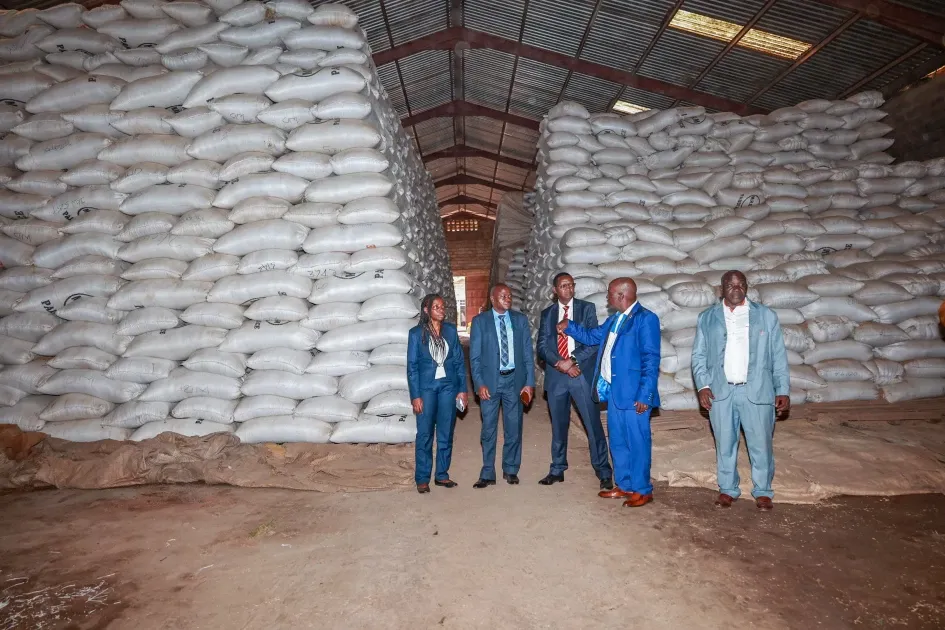
Promoting the consumption of domestically grown rice not only keeps money within the local economy but also encourages sustainable agricultural practices that contribute to rural development. This policy demonstrates a commitment to strengthening the agricultural sector as a foundation for national food security and economic resilience.
The economic benefits of this government intervention extend beyond immediate relief for rice farmers. With the guaranteed purchase and fair pricing, farmers are empowered to reinvest their earnings into their agricultural activities by purchasing higher-quality seeds, fertilizers, and modern farming equipment. Such reinvestments can lead to increased crop yields and improved product quality over time.
Furthermore, a more stable rice market can stimulate related sectors such as transport, processing, packaging, and marketing, thereby creating employment opportunities and boosting incomes in rural communities. The multiplier effect of this intervention is expected to enhance overall economic growth in Mwea and surrounding areas, fostering long-term development and poverty reduction.
The Kenyan government’s decision to purchase 5,000 metric tonnes of surplus rice from Mwea farmers, valued at KSh 500 million, represents a strategic move to support local agriculture and stabilize the rice market. By providing a guaranteed market and fair prices, the government is ensuring that farmers are fairly compensated for their hard work and investments.
This measure not only prevents potential losses due to unsold stock but also aligns with broader goals of food security, import substitution, and sustainable economic development. Ultimately, this initiative highlights the government’s commitment to empowering smallholder farmers, promoting agricultural sustainability, and strengthening the country’s economy.






0 comments