
Your Read is on the Way
Every Story Matters
Every Story Matters
The Hydropower Boom in Africa: A Green Energy Revolution Africa is tapping into its immense hydropower potential, ushering in an era of renewable energy. With monumental projects like Ethiopia’s Grand Ethiopian Renaissance Dam (GERD) and the Inga Dams in the Democratic Republic of Congo, the continent is gearing up to address its energy demands sustainably while driving economic growth.
Northern Kenya is a region rich in resources, cultural diversity, and strategic trade potential, yet it remains underutilized in the national development agenda.

Can AI Help cure HIV AIDS in 2025

Why Ruiru is Almost Dominating Thika in 2025

Mathare Exposed! Discover Mathare-Nairobi through an immersive ground and aerial Tour- HD

Bullet Bras Evolution || Where did Bullet Bras go to?
Equity Bank, widely recognized as one of East Africa’s most influential financial institutions, has recently embarked on a profound and sweeping restructuring initiative following extensive internal investigations. These inquiries unearthed a troubling pattern of fraudulent activity allegedly perpetrated by several members of its own staff.
Rather than downplay the issue or deflect responsibility, the bank chose to act decisively—terminating the contracts of over a thousand employees in what has now become one of the largest layoffs in Kenya’s private banking sector.
The layoffs were not merely disciplinary; they were strategic, signaling a zero-tolerance policy toward internal corruption and a renewed commitment to operational integrity. In an industry where reputation is tightly linked to trust, Equity Bank appears determined to cleanse its ranks and fortify its ethical foundation for long-term sustainability.
The extent of the layoffs has drawn widespread attention and industry reflection. Affected staff were not limited to junior personnel; the dismissals swept through various ranks, impacting employees in client-facing roles, back-office operations, IT support, and notably, a segment of the institution’s management.
The inclusion of senior-level individuals in the terminations suggests that the fraudulent activities had deep roots and may have spanned multiple departments over an extended period. What stands out is the comprehensive nature of the move—it was not a superficial sweep for public relations purposes, but a bold and structural recalibration of the workforce.
For an organization that prides itself on efficiency, the layoffs mark a recalibration of both its internal culture and its external image. It was an act of introspection and course correction on a grand scale, intended to restore confidence both inside and outside the institution.
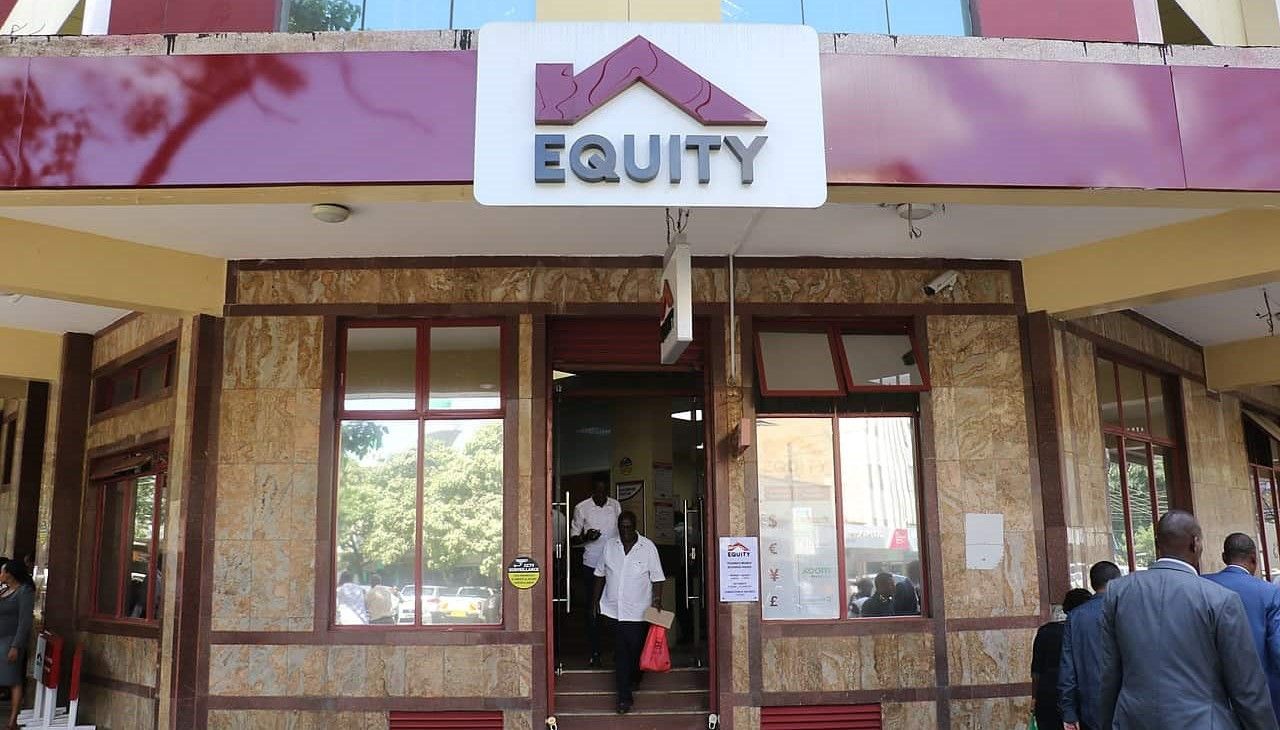
According to the bank’s internal assessments, the scale of financial loss resulting from the uncovered fraud is both significant and concerning. Billions of Kenyan shillings were reportedly siphoned through various forms of deception, including ghost transactions, forged documentation, and misappropriated client funds.
These losses occurred over a period of time that went undetected—raising serious questions about the bank’s internal auditing systems, monitoring frameworks, and employee vetting processes. In essence, the bank's control systems had vulnerabilities that were exploited, possibly due to complacency or a lack of adequate digital oversight. The fallout has triggered a thorough re-evaluation of operational procedures and a full-scale technological upgrade aimed at reinforcing accountability mechanisms.
Going forward, robust checks and balances, including the introduction of AI-driven transaction monitoring and biometric authentication, are expected to form the core of Equity’s fraud prevention strategy.
Leadership within the Equity Group has taken a resolute and unyielding stance in response to the crisis. The Group CEO, known for his long-standing focus on community banking and transformative leadership, did not mince words in addressing the internal rot. He has made it abundantly clear that no individual—regardless of their rank or past contributions—is above scrutiny.
His tone has been firm, even combative, stressing that the bank’s primary duty is to protect depositors’ interests and ensure a transparent financial ecosystem. This unambiguous position has set the tone for the bank’s new direction, which will prioritize ethical conduct, client service integrity, and transparent operational practices.
Far from being reactionary, the leadership’s response reflects a proactive vision—one that not only corrects existing faults but also erects stronger institutional pillars for the future.

Equity Bank’s reputation, carefully cultivated over decades, stood at risk of erosion amid the revelations of internal fraud. Recognizing this, the bank initiated a simultaneous campaign of damage control and brand rejuvenation. Apart from internal reforms, the bank is engaging with clients and the public through various platforms to reaffirm its values and rebuild lost trust.
New rules have been introduced to limit direct cash handling by staff and to eliminate informal incentives like tipping, which have historically created room for ethical compromises. Additionally, whistleblowers are being encouraged and protected, establishing a culture where internal accountability is not feared but embraced.
These moves are not just procedural—they’re symbolic of a shift from opaque internal culture to a more transparent, customer-first environment. The reputation of a bank is built not only on the services it offers, but on the ethical strength of its workforce—and Equity appears committed to reinforcing that ideal.
As the dust begins to settle, Equity Bank’s focus has shifted to long-term stabilization and strategic renewal. Rebuilding internal morale and client confidence will be central to its forward path. This will include investments in human capital development—retraining remaining staff, updating codes of conduct, and launching ethics certification programs across departments.
On the technical side, the bank is accelerating the adoption of intelligent monitoring systems capable of real-time fraud detection and cross-platform data validation. These tools will not only prevent a repeat of past mistakes but also position the bank as a leader in modern risk management. For clients, Equity plans to initiate a customer engagement drive aimed at restoring faith in its systems and staff.
In an age where data privacy and financial security are paramount, the bank's renewed focus on internal vigilance and public communication will be critical. Through these layered reforms, Equity Bank aims not just to recover—but to redefine the standards of accountability and resilience in Kenya’s banking sector.






0 comments