
Your Read is on the Way
Every Story Matters
Every Story Matters
The Hydropower Boom in Africa: A Green Energy Revolution Africa is tapping into its immense hydropower potential, ushering in an era of renewable energy. With monumental projects like Ethiopia’s Grand Ethiopian Renaissance Dam (GERD) and the Inga Dams in the Democratic Republic of Congo, the continent is gearing up to address its energy demands sustainably while driving economic growth.
Northern Kenya is a region rich in resources, cultural diversity, and strategic trade potential, yet it remains underutilized in the national development agenda.

Can AI Help cure HIV AIDS in 2025

Why Ruiru is Almost Dominating Thika in 2025

Mathare Exposed! Discover Mathare-Nairobi through an immersive ground and aerial Tour- HD

Bullet Bras Evolution || Where did Bullet Bras go to?
The Trump administration’s reintroduction of steep import tariffs may have been targeted at specific global players, but the resulting tremors were felt far and wide—especially by developing nations like Kenya that rely heavily on global trade access. Although Kenya wasn't directly impacted by the tariffs themselves, the disruption they caused sent shockwaves through global supply chains and trade norms. Preferential programs that previously allowed smooth access to Western markets suddenly looked vulnerable. Among them, the African Growth and Opportunity Act (AGOA), which has long allowed duty-free access for Kenyan goods into the U.S., appeared less like a pillar and more like a crutch whose usefulness was quickly running out.
Faced with this new reality, Kenya chose not to stand idle. Officials in Nairobi recognized that clinging to an expiring deal was not a viable long-term strategy. Instead, they pivoted toward something more secure and sovereign—a bilateral trade agreement that would protect Kenya’s exports, encourage U.S. investment, and inject predictability into a fragile global economic environment. In other words, what began as a defensive response to global instability quickly evolved into an assertive move for long-term economic independence.
Historically, African nations have often waited for trade agreements to be crafted by bigger economies or blanket programs like AGOA to determine their export futures. Kenya is now rewriting that script. With AGOA set to expire in 2025 and uncertainty looming over whether it will be renewed, Kenya has stepped forward to negotiate a bespoke bilateral trade deal with the United States. This proactive stance signals a shift in how African nations engage with global economic powers—not as aid recipients, but as equal players with leverage and ambition.
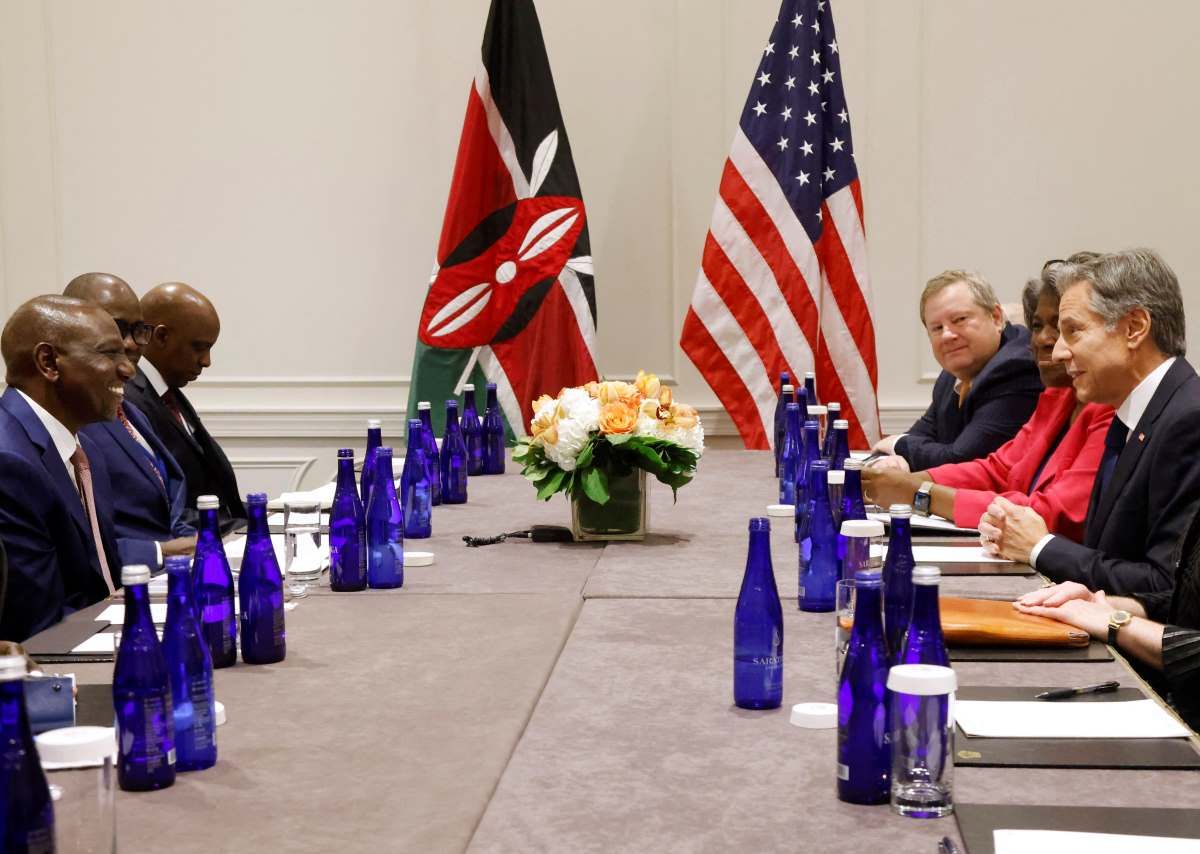
By initiating negotiations now, Kenya is also buying time. A bilateral agreement takes months, sometimes years, to finalize. Starting early ensures the country won’t be caught in limbo once AGOA sunsets. But more than that, Kenya is looking to modernize its trade relationship. The new agreement seeks not only to lock in duty-free access for traditional exports like coffee, tea, flowers, and textiles, but also to include digital goods, services, e-commerce, and data frameworks. In short, Nairobi wants a deal that is as much about tomorrow’s economy as it is about today’s exports.
For Washington, entering into a direct trade agreement with Kenya aligns with both economic and strategic interests. Kenya is one of Africa’s most stable democracies, with a growing middle class, improving infrastructure, and a digital economy on the rise. Its geographical position makes it a gateway into East Africa, and its diplomatic reputation is one of reliability. From a purely economic standpoint, Kenya represents an entry point for American goods and services in a region that is becoming increasingly contested by other global powers such as China and the European Union.
Strategically, the U.S. also views Kenya as a partner in promoting stability, democratic governance, and counterterrorism efforts in the region. A trade deal would cement that relationship, extend American influence, and create a framework for further cooperation in areas like cybersecurity, technology transfer, and infrastructure development. For Washington, this deal could serve as a blueprint for future partnerships with other African nations, helping the U.S. move away from outdated one-size-fits-all aid models toward more mutually beneficial economic arrangements.
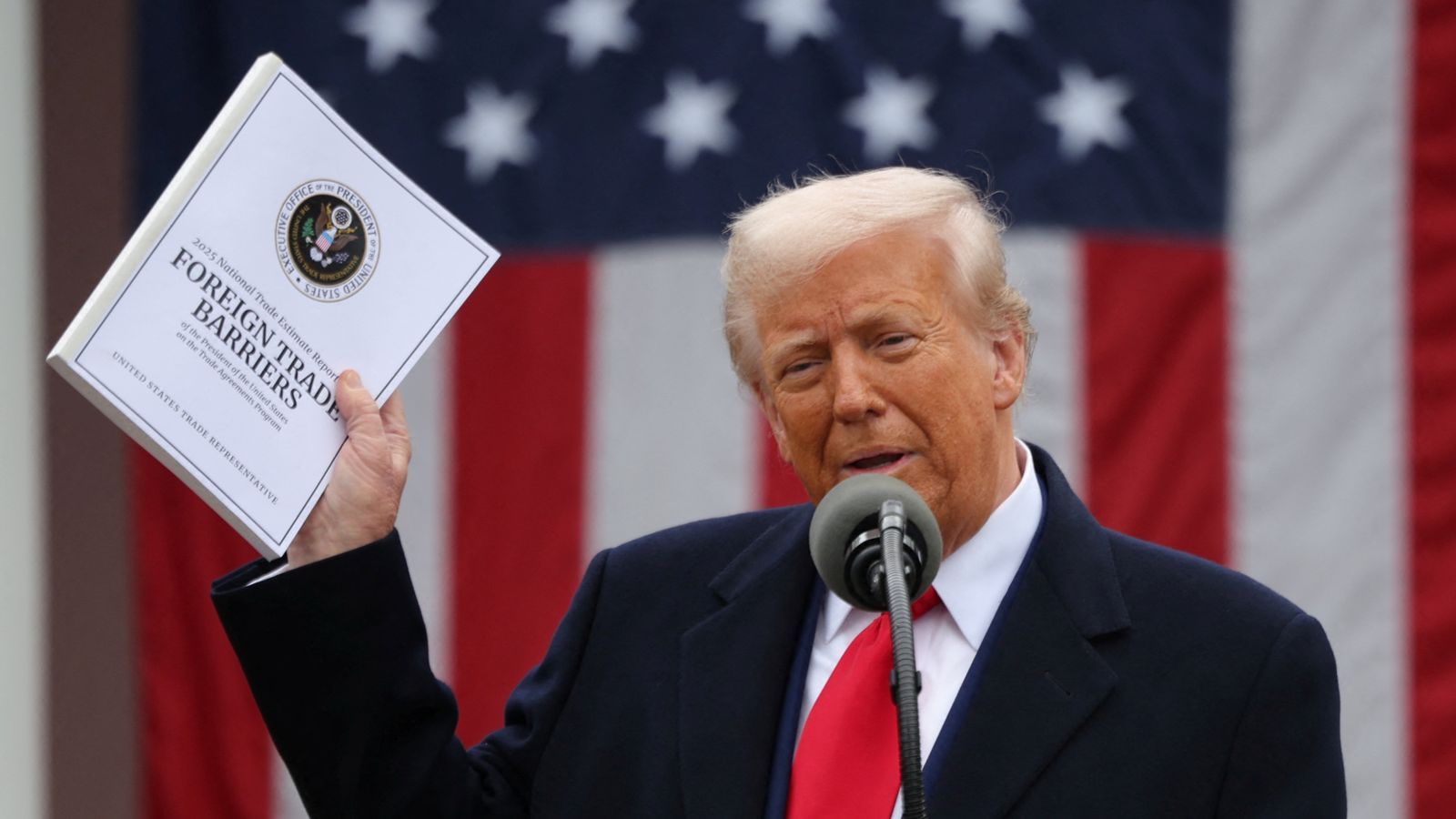
Despite the optimism, the path to a successful trade agreement will be anything but smooth. On the Kenyan side, negotiators will need to ensure that the deal doesn’t disadvantage local industries or expose vulnerable sectors to excessive competition. Concerns about labor rights, environmental standards, and domestic sovereignty are already being debated. Kenya also has to balance the demands of the U.S. with its own commitments under the African Continental Free Trade Area (AfCFTA), which aims to deepen intra-African trade.
Meanwhile, the U.S. will approach the deal with its own set of red lines. Washington will likely push for greater intellectual property protections, stronger compliance mechanisms, and access for its goods and investors. Navigating these competing interests will require diplomatic finesse and a willingness to compromise on both ends. Add to that the unpredictability of U.S. politics—especially with another potential Trump presidency on the horizon—and the timeline becomes even more uncertain. Yet despite these hurdles, both sides seem committed to pushing forward.
If Kenya succeeds in sealing a modern, progressive trade deal with the U.S., the implications will be massive—not just for Nairobi but for Africa at large. It could trigger a shift in how the continent negotiates with powerful economies. No longer waiting for handouts or extensions of outdated trade programs, African nations may start pursuing direct, interest-based partnerships that reflect their specific economic aspirations.
For Kenya, this is more than a trade deal—it’s a signal of maturity, readiness, and economic ambition. And for the United States, it offers a chance to reset its trade relationship with Africa in a more dynamic and equitable way. The negotiations may be complex, but the stakes are clear. This could be the beginning of a new trade era—one defined by initiative, foresight, and mutual respect.






0 comments