
Your Read is on the Way
Every Story Matters
Every Story Matters
The Hydropower Boom in Africa: A Green Energy Revolution Africa is tapping into its immense hydropower potential, ushering in an era of renewable energy. With monumental projects like Ethiopia’s Grand Ethiopian Renaissance Dam (GERD) and the Inga Dams in the Democratic Republic of Congo, the continent is gearing up to address its energy demands sustainably while driving economic growth.
Northern Kenya is a region rich in resources, cultural diversity, and strategic trade potential, yet it remains underutilized in the national development agenda.

Can AI Help cure HIV AIDS in 2025

Why Ruiru is Almost Dominating Thika in 2025

Mathare Exposed! Discover Mathare-Nairobi through an immersive ground and aerial Tour- HD

Bullet Bras Evolution || Where did Bullet Bras go to?
A Surprising Shift in Policy
In a move that took many by surprise, President Donald Trump announced a reduction in tariffs on Chinese imports. This decision, aimed at easing the trade war that has simmered between the United States and China for years, set off waves of optimism across global markets. Investors, who have been waiting on tenterhooks for signs of resolution in the trade conflict, saw the announcement as a sign that tensions might be easing. The reduction in tariffs, which had escalated to unprecedented levels, is being viewed as a potential turning point in the global economic landscape, with both nations looking to recalibrate their economic interactions.
This article delves into the key aspects of this tariff reduction, the reactions it has provoked in global markets, and the broader implications for U.S.-China trade relations and the world economy.
A Glimpse into the Trade War: How We Got Here
The U.S.-China trade war has been one of the defining economic narratives of the past few years. It began as an effort by the Trump administration to address what it perceived as unfair trade practices by China, such as intellectual property theft and forced technology transfers. In response, the U.S. imposed a series of tariffs on Chinese goods, which prompted reciprocal tariffs from China. The two economic giants became locked in a tit-for-tat battle, each imposing tariffs on hundreds of billions of dollars worth of each other’s goods.
The tariffs were meant to hurt China's economy and force it into making changes to its trade policies, but they also had significant collateral effects on global markets, supply chains, and industries worldwide. The situation created a precarious atmosphere in which businesses, investors, and consumers felt the ripple effects of the escalating tariffs, with no clear end in sight. While both sides engaged in numerous rounds of negotiations, progress remained slow, and tensions continued to mount.
The Surprise Announcement: A Shift in Strategy
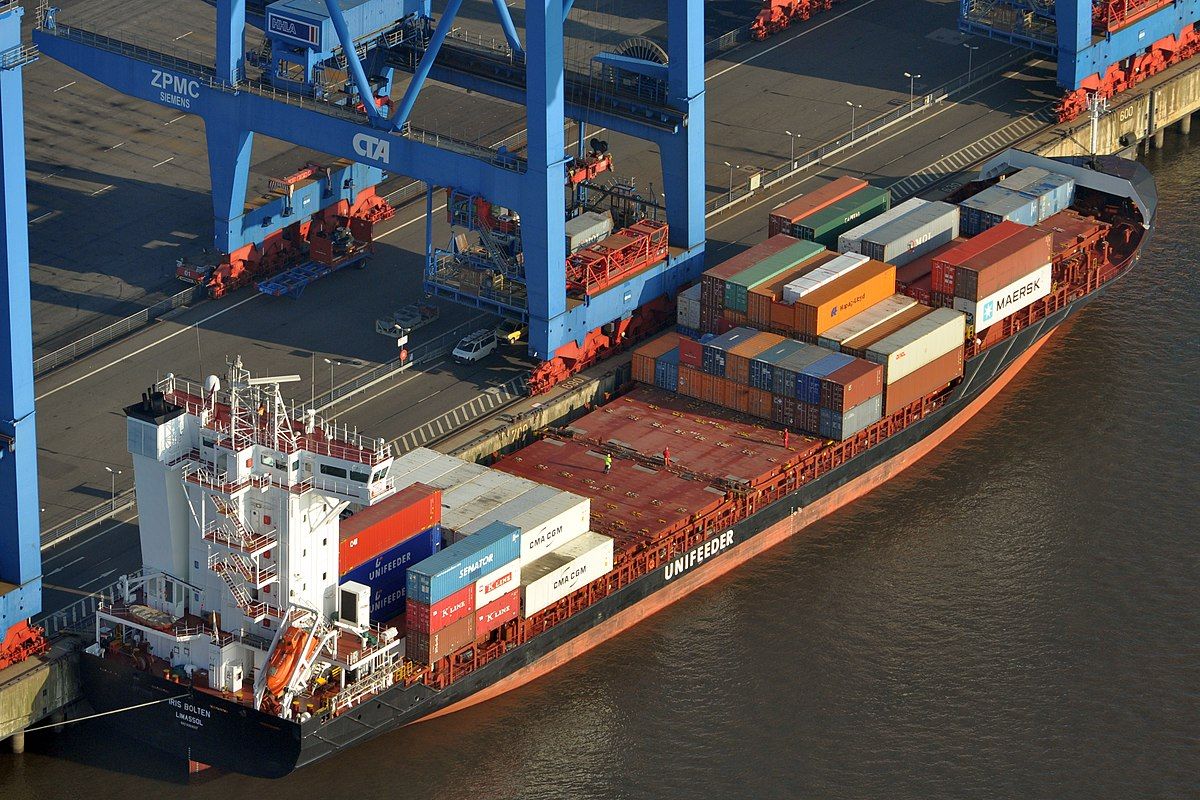
In this context, President Trump’s sudden announcement to reduce tariffs on Chinese imports came as both a surprise and a welcome relief. The U.S. had imposed tariffs as high as 25% on billions of dollars worth of Chinese goods, with the intention of forcing China into making trade concessions. Trump's announcement to lower these tariffs marked a stark contrast to his previous hardline stance, signaling a potential shift in policy.
This move is not without its complexities. While Trump framed the tariff reduction as a strategic step to stimulate economic growth and reduce tensions with China, it also comes as a response to mounting pressure from various sectors of the U.S. economy. From agriculture to manufacturing, many American industries had begun to feel the brunt of the trade war. U.S. farmers, in particular, had been hit hard by China’s retaliatory tariffs, which targeted key American exports such as soybeans and pork.
Market Reaction: The Optimism Surge
Global markets wasted no time in responding to the announcement. As soon as the news broke, stock exchanges in the U.S. and across Asia saw significant rallies. The Dow Jones Industrial Average surged, and the S&P 500 followed suit, signaling investor confidence that the worst of the trade war might be over. In China, stocks jumped as well, reflecting optimism that the country's economy would benefit from an easing of tariffs.
For investors, the tariff reduction represented a break from the uncertainty that had plagued markets for so long. Stock prices had been volatile, and global economic growth had been dampened by the ongoing trade tensions. Trump’s announcement injected a sense of hope that both the U.S. and China would soon return to the negotiating table with a more cooperative approach, which could stabilize the global economy.
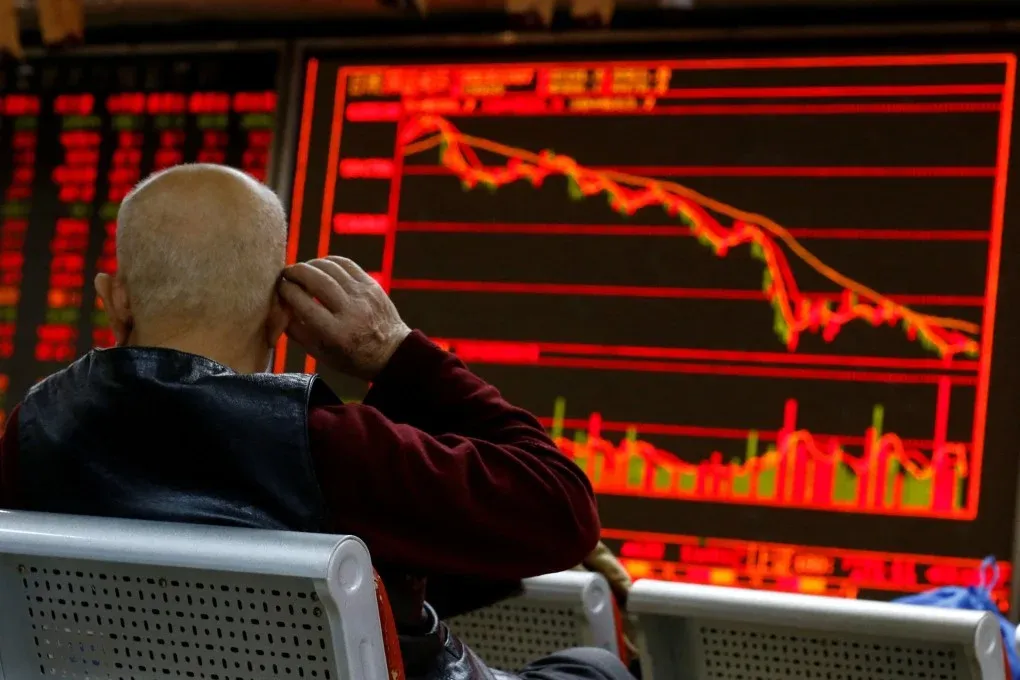
Additionally, markets reacted positively to the expectation that consumer prices, which had been rising due to higher tariffs on imports, would now stabilize or even fall. Lower tariffs mean lower costs for U.S. businesses that rely on Chinese imports, which in turn could lead to lower prices for consumers.
The Economic Implications: Short-Term Relief or Long-Term Solution?
While the reduction in tariffs has provided immediate relief to global markets, it raises important questions about the future trajectory of U.S.-China trade relations. The reduction is seen as a temporary fix rather than a long-term resolution. For many, the root causes of the trade conflict—issues such as intellectual property theft, forced technology transfers, and the U.S. trade deficit with China—remain unresolved.
Economists are divided on whether this move represents a genuine change in U.S. policy or a tactical decision to calm markets and push the trade war off the front pages. While some view the easing of tariffs as a sign that the Trump administration is willing to engage in more nuanced diplomacy with China, others remain cautious, noting that the long-standing structural issues in U.S.-China trade are not likely to disappear overnight.
In particular, analysts point to the fact that the reduction in tariffs is not accompanied by any immediate changes to China’s economic policies. The Chinese government has long been criticized for its state-led economic model, which gives Chinese companies an unfair advantage over their international competitors. Until these structural issues are addressed, it is uncertain whether a full-fledged trade war can truly be averted.
The Political Landscape: Pressure from Allies and Domestic Critics
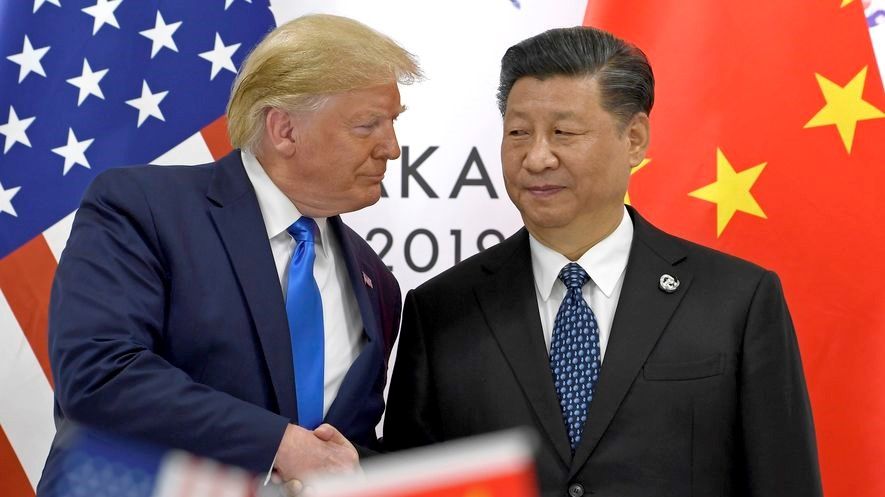
Domestically, the decision to reduce tariffs is likely to be met with mixed reactions. Trump’s core supporters, who viewed the trade war as a necessary measure to hold China accountable, may see this move as a retreat. However, others within the U.S. political landscape—particularly Republicans who represent states affected by tariffs—are likely to view this as a necessary step to support the American economy. The reduction of tariffs could ease tensions with U.S. farmers and manufacturers, who have borne the brunt of retaliatory tariffs.
Furthermore, this move may also signal a shift in Trump’s political strategy ahead of future elections. By easing trade tensions, Trump could appeal to a broader base of voters who are concerned about the economic impact of the trade war. Additionally, it could help mend relationships with key allies who have been critical of Trump’s approach to international trade.
What’s Next? The Road Ahead for U.S.-China Relations
While the tariff reduction marks a significant moment in the U.S.-China trade war, it is important to recognize that the relationship between the two countries remains complex. Both nations still face significant challenges in reconciling their economic models, and many of the trade issues that sparked the conflict remain unresolved. This reduction in tariffs could simply be the beginning of a new phase in trade negotiations.
The global market rally triggered by the announcement indicates that investors are hopeful, but the road to a lasting solution remains uncertain. The true test will be whether this move leads to a broader set of agreements between the U.S. and China, or if it simply serves as a temporary measure to calm the waters. Time will tell whether President Trump’s move to ease tariffs is a genuine shift in strategy or just a tactical pause in a much longer trade war






0 comments