
Your Read is on the Way
Every Story Matters
Every Story Matters
The Hydropower Boom in Africa: A Green Energy Revolution Africa is tapping into its immense hydropower potential, ushering in an era of renewable energy. With monumental projects like Ethiopia’s Grand Ethiopian Renaissance Dam (GERD) and the Inga Dams in the Democratic Republic of Congo, the continent is gearing up to address its energy demands sustainably while driving economic growth.
Northern Kenya is a region rich in resources, cultural diversity, and strategic trade potential, yet it remains underutilized in the national development agenda.

Can AI Help cure HIV AIDS in 2025

Why Ruiru is Almost Dominating Thika in 2025

Mathare Exposed! Discover Mathare-Nairobi through an immersive ground and aerial Tour- HD

Bullet Bras Evolution || Where did Bullet Bras go to?
In a move that has captured the attention of international observers, South African President Cyril Ramaphosa has made a strategic visit to Washington, D.C. to engage in high-level talks with former U.S. President Donald Trump. The meeting comes at a time when the relationship between the two countries has been strained by months of political rhetoric and conflicting policies.
The atmosphere around these discussions is charged with a sense of urgency, as both leaders seek to navigate a complex web of historical grievances, economic interests, and public perceptions that have all contributed to an increasingly uneasy diplomatic climate. This encounter, therefore, represents not just a routine state visit but a critical effort to mend a relationship that has shown signs of fraying in recent times.
At the heart of the diplomatic friction lies South Africa’s ambitious land reform program. The initiative, aimed at addressing centuries of economic disparity and land dispossession under apartheid, includes provisions for expropriating land without compensation. While this policy is hailed domestically as an essential step towards justice and economic redistribution, it has been met with skepticism and outright criticism from the U.S. administration under Trump.
The former president and his advisors have publicly accused South Africa of enacting policies that amount to racial persecution, particularly targeting white farmers. These accusations have been strongly rejected by Ramaphosa and his government, who argue that the claims are both unfounded and politically motivated, reflecting a misunderstanding of South Africa’s efforts to correct historical wrongs rather than to oppress any group.

The dispute is further inflamed by the recent decision by the U.S. to grant refugee status to a small number of white South Africans, purportedly fleeing racial violence—a move that Pretoria sees as a politically charged gesture rather than a humanitarian necessity. This clash over narratives regarding racial dynamics and justice lies at the core of the diplomatic tension between the two nations.
Despite the sharp political disagreements, the economic relationship between South Africa and the United States remains a cornerstone of bilateral ties. The U.S. stands as South Africa’s second-largest trading partner, second only to China, underscoring the importance of maintaining a functional partnership. This trade relationship encompasses a broad array of sectors, from mining and agriculture to technology and manufacturing, all of which contribute substantially to the economies of both countries.
Ramaphosa’s visit to the U.S. capital is widely interpreted as an attempt to prevent political differences from spilling over into economic disengagement, which could have damaging consequences for both sides. Maintaining a healthy trade relationship is critical for South Africa’s growth ambitions as well as for American businesses that have significant investments in the region. Consequently, one of the primary objectives of the talks is to reassure both governments and their economic stakeholders that despite political challenges, cooperation and mutual benefit remain achievable goals.
The diplomatic goals driving Ramaphosa’s visit extend beyond merely smoothing over current disagreements. They reflect a strategic desire to reset and recalibrate the overall relationship between South Africa and the United States, moving towards a more constructive and mutually respectful partnership. Both leaders are tasked with the difficult job of bridging deeply entrenched divides, especially on highly sensitive topics like land reform and racial justice.
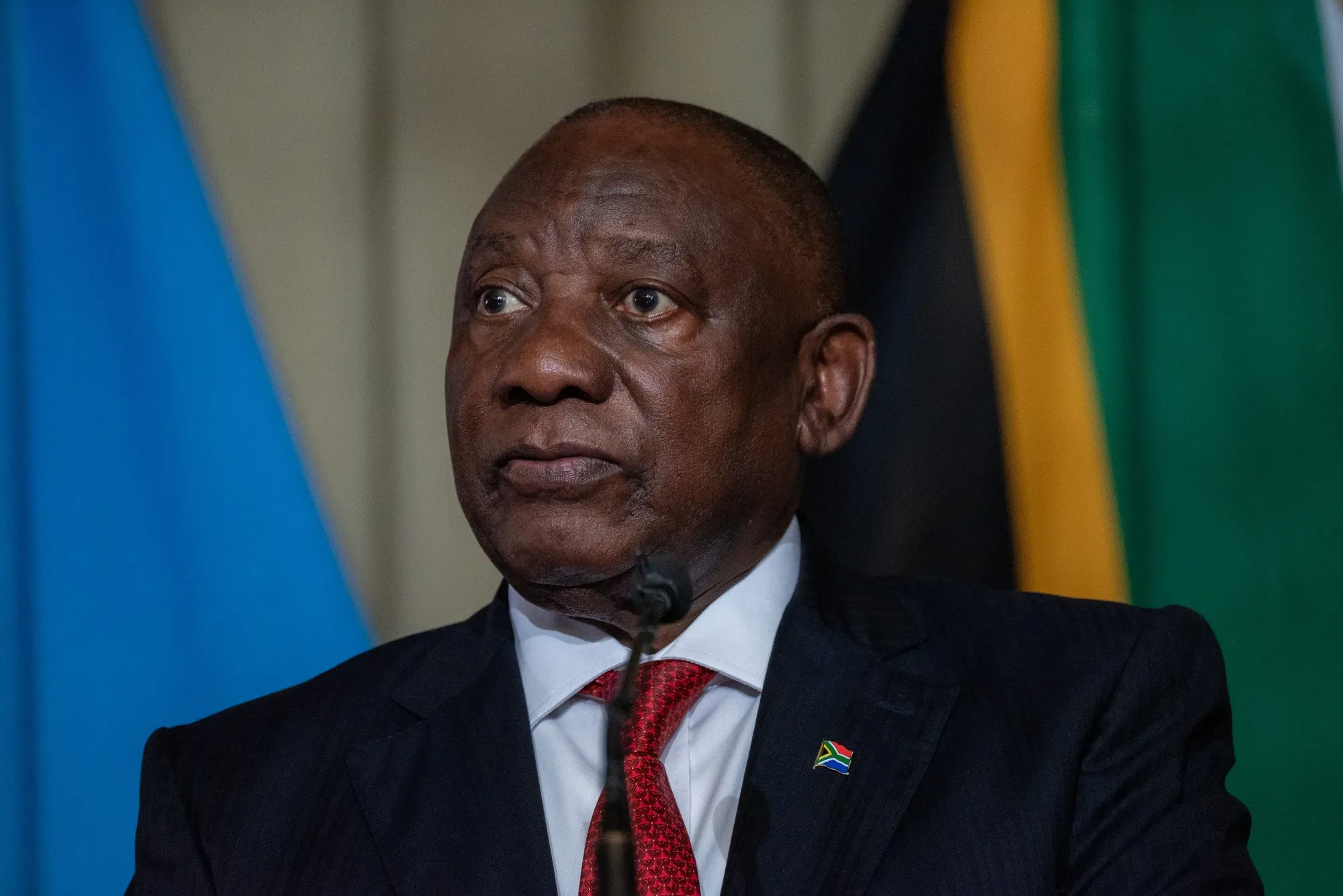
At the same time, the talks provide a platform to explore new areas for collaboration, such as regional security cooperation, combating transnational crime, and supporting sustainable development initiatives across Africa. The implications of these discussions will likely extend far beyond bilateral ties, influencing the broader geopolitical landscape in the region, particularly as major powers vie for influence in Africa’s rapidly evolving markets and political arenas.
As the world watches the unfolding dialogue between Ramaphosa and Trump, several key issues will be critical in determining whether the talks yield meaningful progress or simply highlight persistent divisions. Foremost among these will be how both sides address the contentious issue of land reform, particularly whether they can find language that acknowledges South Africa’s historical challenges without inflaming accusations of racial injustice. Similarly, the question of refugee status granted to white South Africans will be a litmus test of the willingness to engage in honest, evidence-based discussion rather than politically charged rhetoric.
Beyond these flashpoints, there is hope that both leaders will seize the opportunity to expand cooperation in areas such as trade, investment, and regional security. Ultimately, the success of this diplomatic encounter will hinge on the ability of Ramaphosa and Trump to move past personal and political differences, demonstrating a shared commitment to constructive engagement and respect for each other’s domestic priorities.






0 comments