
Your Read is on the Way
Every Story Matters
Every Story Matters
The Hydropower Boom in Africa: A Green Energy Revolution Africa is tapping into its immense hydropower potential, ushering in an era of renewable energy. With monumental projects like Ethiopia’s Grand Ethiopian Renaissance Dam (GERD) and the Inga Dams in the Democratic Republic of Congo, the continent is gearing up to address its energy demands sustainably while driving economic growth.
Northern Kenya is a region rich in resources, cultural diversity, and strategic trade potential, yet it remains underutilized in the national development agenda.

Can AI Help cure HIV AIDS in 2025

Why Ruiru is Almost Dominating Thika in 2025

Mathare Exposed! Discover Mathare-Nairobi through an immersive ground and aerial Tour- HD

Bullet Bras Evolution || Where did Bullet Bras go to?
U.S. President Donald Trump and Russian President Vladimir Putin engaged in a tense, two-hour phone call that became the centerpiece of global diplomacy. The conversation was billed as a last-ditch attempt by Trump to broker a temporary ceasefire in the ongoing Russia-Ukraine war. But instead of resolution, the call revealed sharp differences between Moscow’s demands, Washington’s expectations, and Europe’s mounting anxiety.
The stakes could not have been higher. The war, dragging into its third year, has cost thousands of lives and displaced millions. And with Ukraine’s counteroffensive making modest gains, Russia appears more defiant than ever. Trump, now in his second presidency and eager to prove his diplomatic mettle, proposed a straightforward 30-day unconditional ceasefire. What he got in return was a geopolitical chess match.
While Trump framed the call around urgency and humanitarian relief, Putin took a more cautious tone. The Russian leader did not reject the ceasefire outright but argued that certain conditions must be addressed before it could be implemented. Chief among them: Ukraine must formally abandon its aspirations to join NATO and recognize Russia’s control over disputed territories, including Crimea and regions in eastern Ukraine.
Putin also floated the idea of drafting a memorandum that would outline future terms of cooperation and potential long-term peace arrangements. But from Moscow’s perspective, the 30-day pause seemed like a strategic disadvantage unless it came with concessions. The Kremlin’s position was clear: no deals without guarantees.
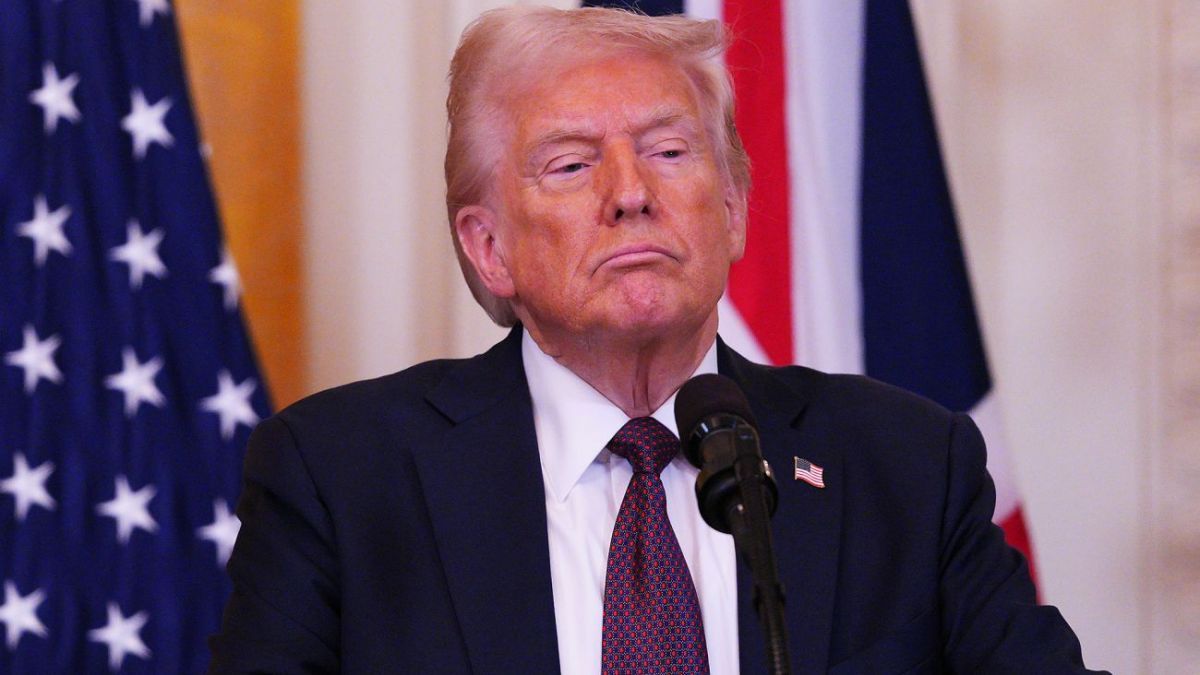
This posture frustrated Washington, where Trump and his advisors believed an immediate ceasefire could buy diplomatic space. Instead, they were met with a stone wall of conditions and half-promises. The result? A two-hour call heavy on tension but light on deliverables.
Behind closed doors, Vice President JD Vance reportedly expressed irritation over the slow pace of progress. His message was blunt: the United States cannot remain locked into a never-ending diplomatic shuttle if neither party is ready to compromise. In his words, “This might not be America’s war to own.”
Such remarks signal a subtle but serious shift in American posture. While Trump maintains that the U.S. has a role to play in peace-building, there’s growing fatigue within his administration. If both Russia and Ukraine continue to harden their positions, the U.S. may begin scaling back its mediation efforts and shift pressure toward European partners to take a more active role.
Before calling Putin, Trump had a brief consultation with Ukrainian President Volodymyr Zelensky. According to U.S. officials, Zelensky reiterated Ukraine’s willingness to accept the proposed 30-day ceasefire—provided it didn’t involve surrendering territorial claims or compromising national sovereignty.
Zelensky, under increasing pressure from war-weary citizens and constrained military resources, is walking a delicate line. He cannot appear weak, but he also cannot afford to alienate allies who are bankrolling the war effort. The call with Trump underscored Kyiv’s willingness to pause the war temporarily, but only under fair and neutral conditions.
As the Trump-Putin call wrapped up without a breakthrough, European leaders watched with growing unease. Leaders from the United Kingdom, France, Germany, and Italy had privately urged Trump to extract firm commitments from Putin—or impose harsher consequences.
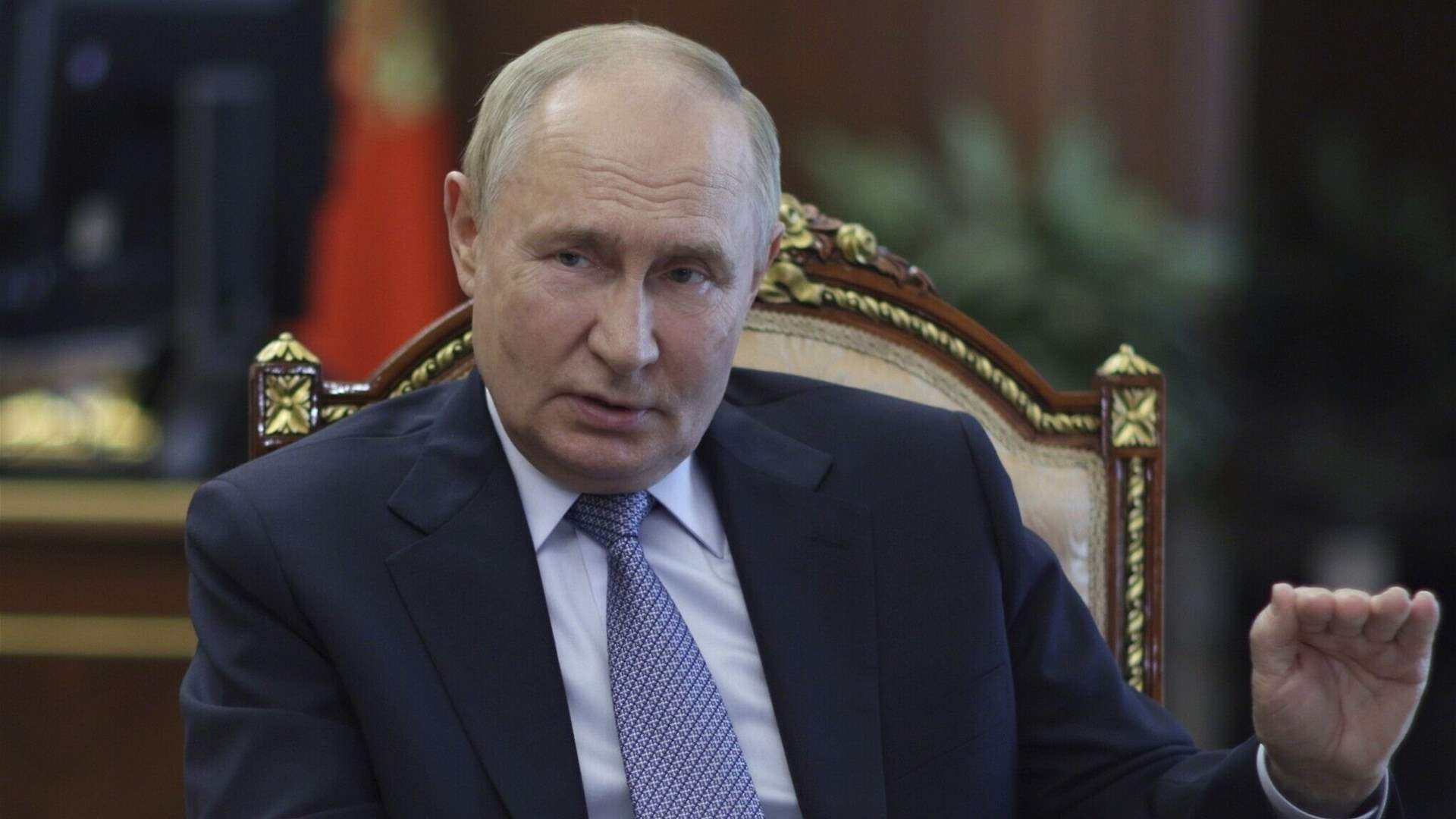
European capitals are increasingly convinced that Russia is using diplomacy to stall Ukraine’s momentum and regroup militarily. They fear that without additional pressure, Putin will continue to demand and delay. Some leaders are even calling for renewed sanctions if Russia refuses to enter a ceasefire in good faith.
The message from Europe is loud and clear: peace talks must lead to action, or the cost of inaction will fall on the continent once again.
Though the two-hour call did not yield an agreement, it set the tone for what lies ahead. The idea of a 30-day ceasefire is not dead—but it is in limbo. Much will depend on how Ukraine responds in the coming days and whether Russia backs up its rhetoric with a formal proposal.
Meanwhile, Trump faces his own reckoning. He promised a rapid end to the war during his campaign, and failure to deliver could haunt him domestically. For now, he’s buying time, hoping a second round of diplomacy can break the stalemate. But time is a luxury neither he nor Europe can afford.
Putin, on the other hand, appears willing to wait. As long as the West remains divided, and as long as Ukraine continues to bleed resources, he believes pressure will eventually force compromises.
For now, the world watches and waits—again—with no bombs silenced and no deals inked.






0 comments