
Your Read is on the Way
Every Story Matters
Every Story Matters
The Hydropower Boom in Africa: A Green Energy Revolution Africa is tapping into its immense hydropower potential, ushering in an era of renewable energy. With monumental projects like Ethiopia’s Grand Ethiopian Renaissance Dam (GERD) and the Inga Dams in the Democratic Republic of Congo, the continent is gearing up to address its energy demands sustainably while driving economic growth.
Northern Kenya is a region rich in resources, cultural diversity, and strategic trade potential, yet it remains underutilized in the national development agenda.

Can AI Help cure HIV AIDS in 2025

Why Ruiru is Almost Dominating Thika in 2025

Mathare Exposed! Discover Mathare-Nairobi through an immersive ground and aerial Tour- HD

Bullet Bras Evolution || Where did Bullet Bras go to?
For decades, Germany has been bound by the weight of its history, shaped by the collective guilt of past wars and the responsibility of ensuring they were never repeated. After the horrors of World War II, the nation adopted a strict policy of pacifism, embedding anti-militarist values into its political system, education, and public discourse. Germany became synonymous with economic power and diplomatic influence rather than military strength, carefully navigating its post-war identity as a peaceful leader within Europe.
However, the world has changed, and with it, Germany’s stance is evolving. Faced with growing security threats, shifting global alliances, and a volatile geopolitical landscape, the country is making a bold departure from its traditionally passive role. No longer content to rely solely on allies for protection, Germany is now preparing for war, not as an aggressor, but as a nation determined to defend itself and its interests with renewed military might.
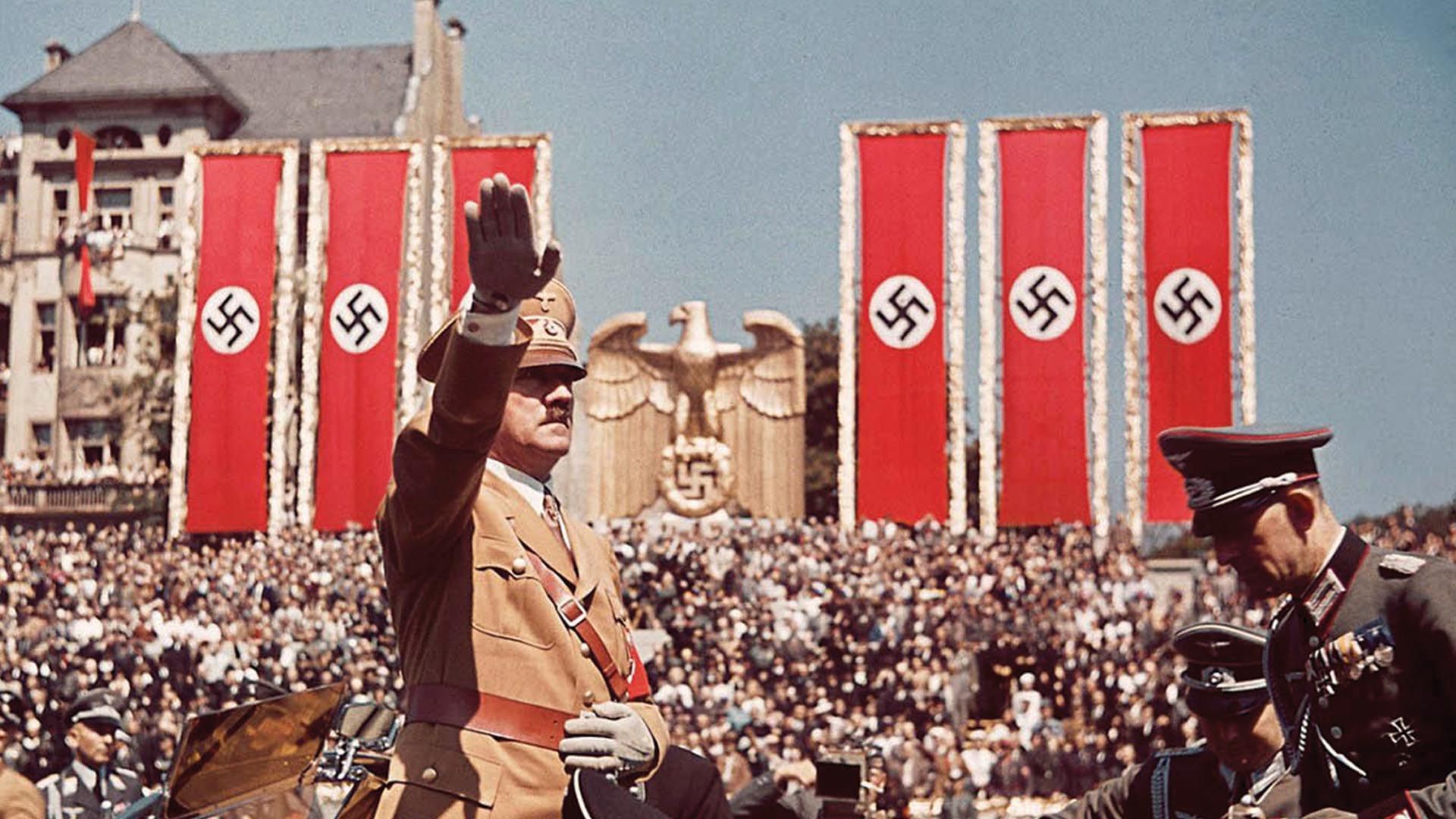
Germany’s reluctance to embrace military power has been deeply ingrained in its post-war identity. The horrors of its Nazi past and the destruction of World War II left an indelible mark on national policy, leading to stringent constitutional limitations on military engagement. For decades, German leaders carefully avoided any moves that could be perceived as aggressive, ensuring that the Bundeswehr, the nation’s armed forces, remained more of a defensive body than a global military force. Even as NATO allies pushed for greater German involvement in international security, the country hesitated, preferring to contribute financially rather than take on a direct military role.
However, the security landscape has changed dramatically. The resurgence of great-power conflicts, the erosion of European stability, and the growing assertiveness of nations like Russia and China have forced Germany to reevaluate its approach. No longer shielded by the assumption that war is a relic of the past, the country is confronting a harsh reality. Peace cannot be sustained without strength. As a result, Germany is breaking free from its self-imposed constraints, embracing a more assertive military posture in an effort to safeguard its sovereignty and the security of Europe.
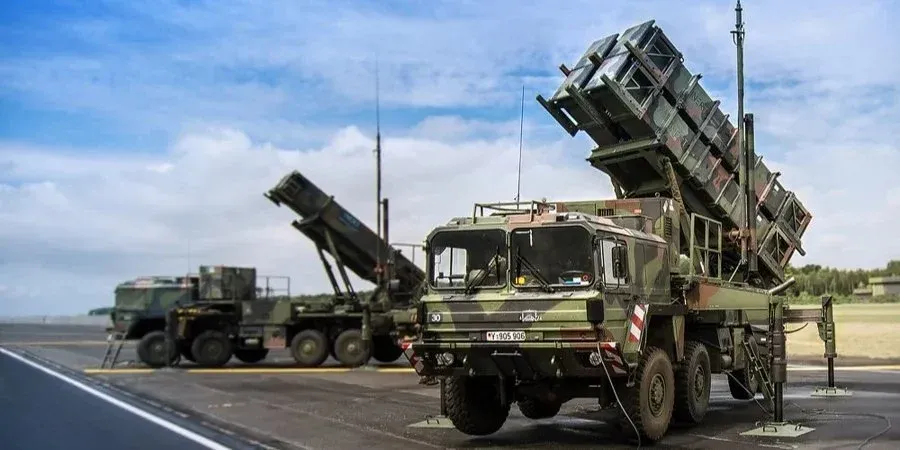
For years, Germany’s military has been underfunded, under-equipped, and underprepared for modern warfare. Despite being one of the largest economies in the world, its armed forces have struggled with aging equipment, logistical inefficiencies, and a lack of readiness. Soldiers have trained with outdated gear, air force jets have been grounded due to maintenance issues, and the army has been unable to meet basic operational standards. Germany’s military weakness has been an open secret, one that has drawn criticism from NATO allies who have long urged Berlin to increase defense spending and take a more active role in global security.
In response to the rapidly changing global landscape, Germany has launched a massive rearmament initiative, injecting billions of euros into modernizing the Bundeswehr. The government has pledged to increase defense spending to meet NATO’s 2% GDP target, a move that would bring Germany’s military budget to unprecedented levels. This investment includes the acquisition of advanced fighter jets, cutting-edge missile defense systems, state-of-the-art tanks, and enhanced cyber warfare capabilities.
Additionally, the country is working to strengthen its troop numbers and improve military infrastructure to ensure its forces can respond rapidly to any threat. The transformation is not just about bolstering Germany’s defense. It is a clear signal to the world that the nation is ready to reclaim its place as a military power.
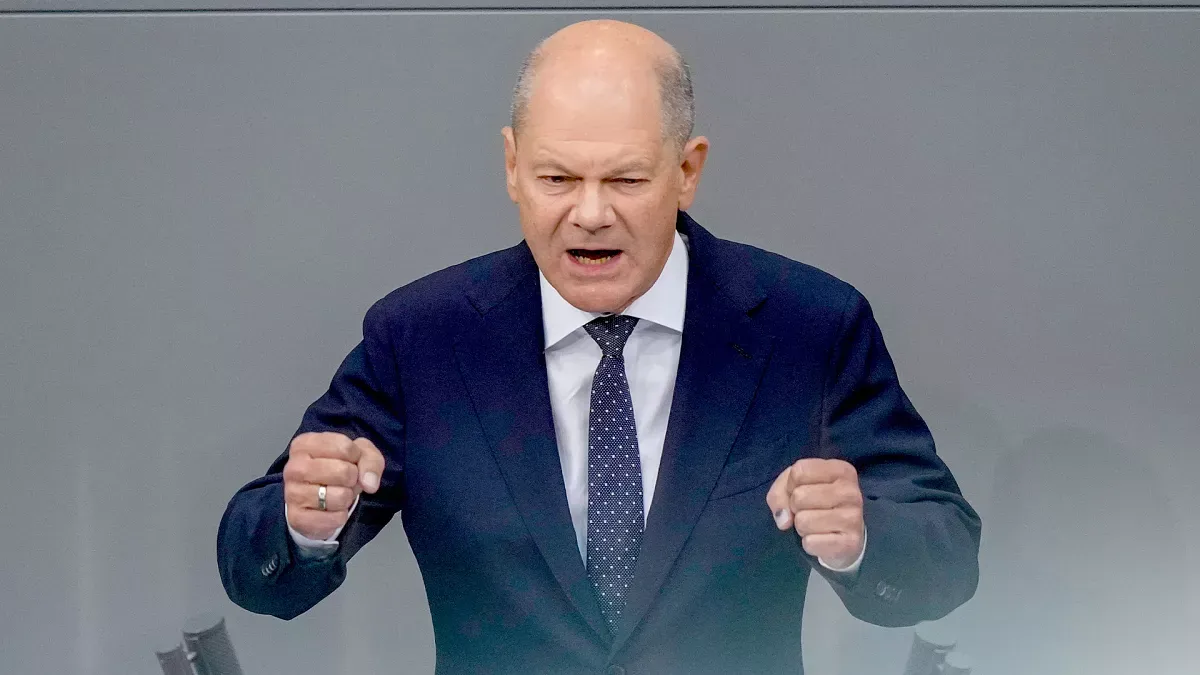
German officials insist that this dramatic shift is not an act of aggression, but rather a necessary adaptation to an increasingly unstable world. The Russian invasion of Ukraine, rising tensions between China and the West, and the uncertain future of NATO’s cohesion have made it clear that Europe can no longer afford to remain complacent. For Germany, the era of relying on American military protection is coming to an end, and with that realization comes the need for self-sufficiency in defense.
Chancellor Olaf Scholz has framed the decision as a "Zeitenwende," or historic turning point, in German security policy. The idea is not to return to the militarism of the past, but to build a modern and responsible military force capable of deterring threats and ensuring European stability. The government argues that this rearmament is not about seeking conflict, but about preventing it. A well-equipped Germany, they claim, will be a stabilizing force in an increasingly fragile international order.
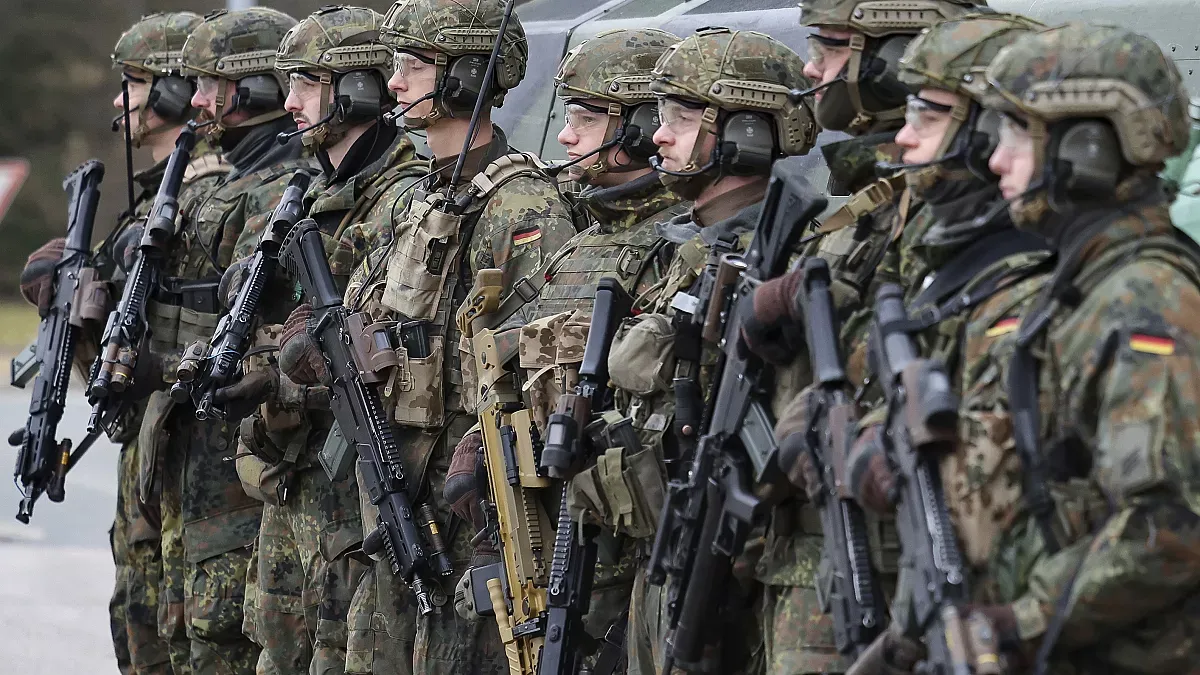
Despite the government’s strong push for military expansion, the German public remains deeply divided on the issue. Decades of pacifist education and anti-war sentiment have shaped the national psyche, making many citizens wary of any move toward militarization. Large segments of the population fear that increasing defense spending and rearming the country could lead to unnecessary involvement in conflicts. Many worry that Germany’s new military ambitions could destabilize relations with its neighbors or provoke unwanted confrontations.
On the other hand, a growing number of Germans recognize the need for national defense in an increasingly uncertain world. With the war in Ukraine serving as a stark reminder of the dangers lurking on Europe’s doorstep, support for military investment has been rising. Even among traditionally pacifist political groups, there is a growing acknowledgment that Germany cannot afford to remain unarmed in the face of global instability.
Germany’s decision to rearm is more than just a policy shift. It is a transformation of national identity. No longer content to be a bystander in global conflicts, the country is stepping forward as a military power once more. The question remains, however, whether this will lead to greater security or if it will stir the ghosts of the past. Will Germany’s military resurgence fortify Europe against threats, or will it draw the nation into a cycle of power struggles it has long sought to avoid? Only time will tell.






0 comments