
Your Read is on the Way
Every Story Matters
Every Story Matters
The Hydropower Boom in Africa: A Green Energy Revolution Africa is tapping into its immense hydropower potential, ushering in an era of renewable energy. With monumental projects like Ethiopia’s Grand Ethiopian Renaissance Dam (GERD) and the Inga Dams in the Democratic Republic of Congo, the continent is gearing up to address its energy demands sustainably while driving economic growth.
Northern Kenya is a region rich in resources, cultural diversity, and strategic trade potential, yet it remains underutilized in the national development agenda.

Can AI Help cure HIV AIDS in 2025

Why Ruiru is Almost Dominating Thika in 2025

Mathare Exposed! Discover Mathare-Nairobi through an immersive ground and aerial Tour- HD

Bullet Bras Evolution || Where did Bullet Bras go to?
In a high-stakes meeting at the White House, U.S. President Donald Trump and Israeli Prime Minister Benjamin Netanyahu outlined a shared and controversial vision for the future of Gaza, while hinting at diplomatic overtures toward Iran.
The two leaders dined with their top advisors in a private setting, opting for a quieter, more symbolic space—the White House Blue Room—rather than the conventional Oval Office reception. Central to their discussions was the idea of encouraging Palestinians to relocate from the Gaza Strip to neighboring countries, a plan framed as offering “a better future” but widely criticized as forced displacement by many human rights groups and Palestinians themselves.
Netanyahu, speaking ahead of the meeting, reiterated Israel's intention to work with regional and global partners to facilitate voluntary departures from Gaza. He emphasized that no one would be forced to leave, but that opportunities should be available for those seeking life elsewhere. President Trump echoed this sentiment with optimism, noting cooperation from surrounding nations and expressing confidence in a future resolution.
Outside, protestors rallied in opposition to the meeting and the relocation proposal. Demonstrators waved Palestinian flags and held signs accusing the U.S. of enabling war crimes. Calls for Netanyahu's arrest, in reference to an International Criminal Court warrant, underscored the international tensions surrounding the Gaza conflict.
Amid this broader regional strategy, President Trump revealed that the U.S. has scheduled talks with Iran, following a series of U.S.-backed Israeli airstrikes targeting Iranian nuclear sites just weeks earlier. Trump, while boasting about the military success, expressed willingness to lift sanctions should the diplomatic climate improve.
His Middle East envoy confirmed that preliminary meetings would occur in the coming week. Iranian President Masoud Pezeshkian, meanwhile, signaled openness to dialogue, offering hope that tensions between Washington and Tehran might ease.
This potential thaw in relations with Iran could reshape the Gaza ceasefire negotiations, particularly since Iran is a key supporter of Hamas. Trump and Netanyahu appeared eager to seize this moment of Iranian vulnerability to push toward an end to the 21-month Gaza war.
While Trump and Netanyahu strategized in Washington, backchannel negotiations in Doha gained momentum. U.S. envoy Steve Witkoff, architect of a 60-day ceasefire proposal, was expected to join the Qatari-hosted talks imminently. Israeli and Hamas representatives have made limited progress thus far, with humanitarian aid access and hostage release terms proving divisive.
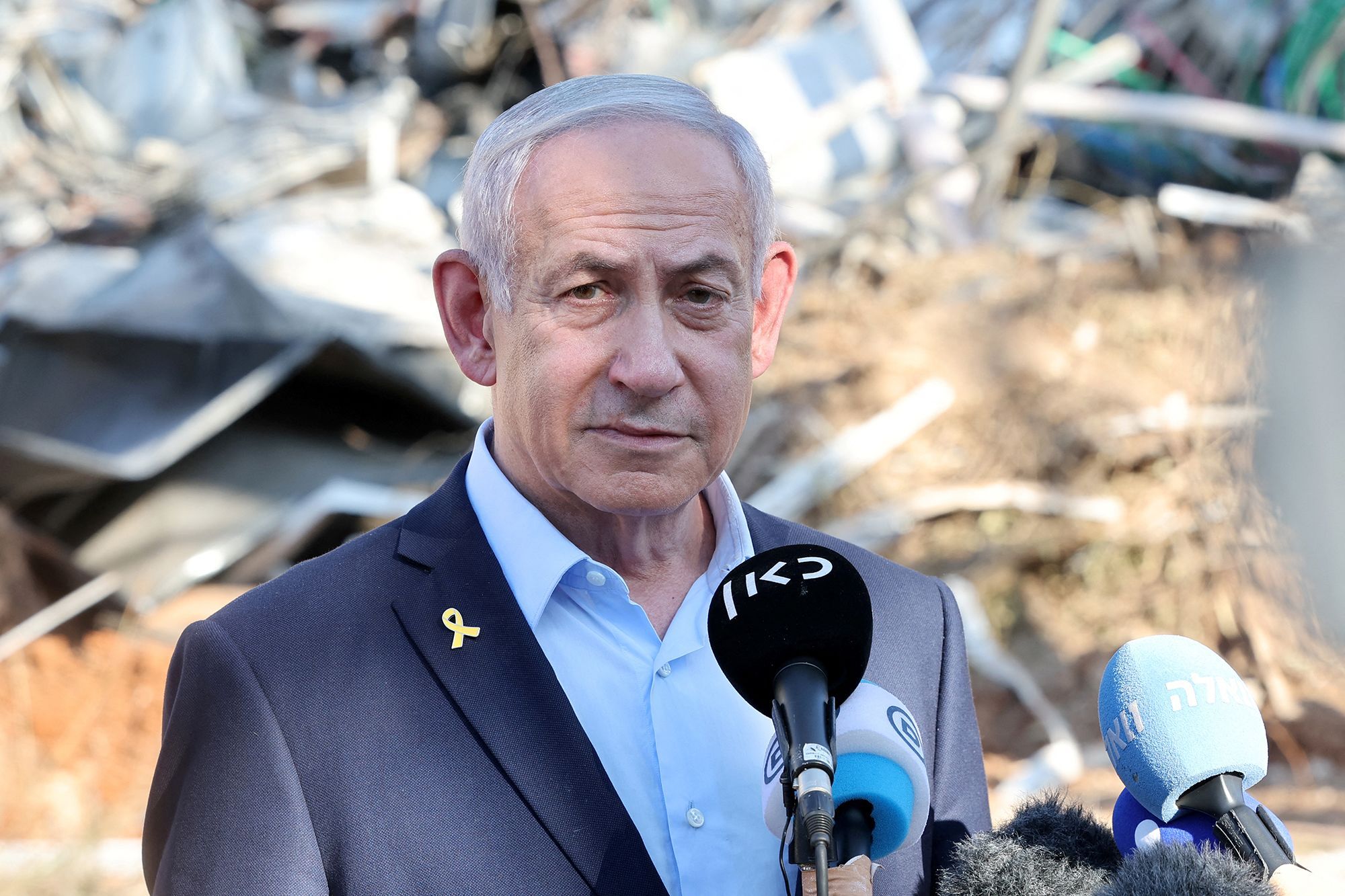
Palestinian sources said that Israel’s restrictions on aid deliveries remain a major sticking point. Hamas continues to demand a full cessation of hostilities and guarantees of humanitarian access before releasing the remaining hostages. Israel, in turn, insists that no permanent ceasefire can occur until all hostages are freed and Hamas is dismantled.
Netanyahu, under pressure at home from a weary public and emboldened far-right allies, hopes a deal can thread the needle—ending war while preserving national security goals. Trump, for his part, wants a breakthrough that cements his foreign policy credentials during a tense re-election campaign season.
As leaders met and diplomats negotiated, the humanitarian crisis in Gaza deepened. Since the outbreak of war in October 2023—sparked by a Hamas-led attack that killed over 1,200 people and took 251 hostages—Israel’s retaliatory campaign has killed more than 57,000 Palestinians, according to health authorities in Gaza.
The war has left most of the population displaced, with nearly half a million people teetering on the edge of famine. Aid deliveries remain intermittent and heavily scrutinized by Israeli forces, further exacerbating suffering among civilians.
A displaced Gaza resident voiced the growing desperation among those trapped in the enclave. “It has totally become unbearable,” he said, urging negotiators to push harder for a resolution.
In a symbolic gesture, Netanyahu presented Trump with a nomination letter for the Nobel Peace Prize, celebrating what he described as a bold effort to bring transformative change to the Middle East. The meeting marked their third since Trump’s return to office and came shortly after Trump personally intervened in Israel's domestic politics, criticizing legal proceedings against Netanyahu in an ongoing corruption trial.
Looking ahead, Netanyahu is scheduled to meet U.S. congressional leaders and Vice President JD Vance as diplomatic pressure continues to mount. Israeli leaders are also eyeing normalization with countries like Lebanon, Syria, and Saudi Arabia—part of a broader effort to secure long-term regional realignment.
The convergence of U.S.-Israel diplomacy, fragile Gaza negotiations, and the potential for renewed Iran talks underscores the fluid and volatile nature of the current Middle East landscape. Whether this moment brings resolution or deeper instability remains to be seen.






0 comments