
Your Read is on the Way
Every Story Matters
Every Story Matters
The Hydropower Boom in Africa: A Green Energy Revolution Africa is tapping into its immense hydropower potential, ushering in an era of renewable energy. With monumental projects like Ethiopia’s Grand Ethiopian Renaissance Dam (GERD) and the Inga Dams in the Democratic Republic of Congo, the continent is gearing up to address its energy demands sustainably while driving economic growth.
Northern Kenya is a region rich in resources, cultural diversity, and strategic trade potential, yet it remains underutilized in the national development agenda.

Can AI Help cure HIV AIDS in 2025
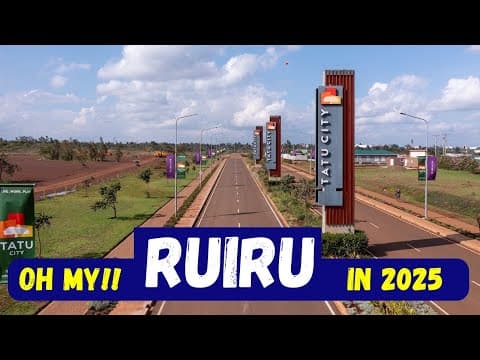
Why Ruiru is Almost Dominating Thika in 2025

Mathare Exposed! Discover Mathare-Nairobi through an immersive ground and aerial Tour- HD

Bullet Bras Evolution || Where did Bullet Bras go to?
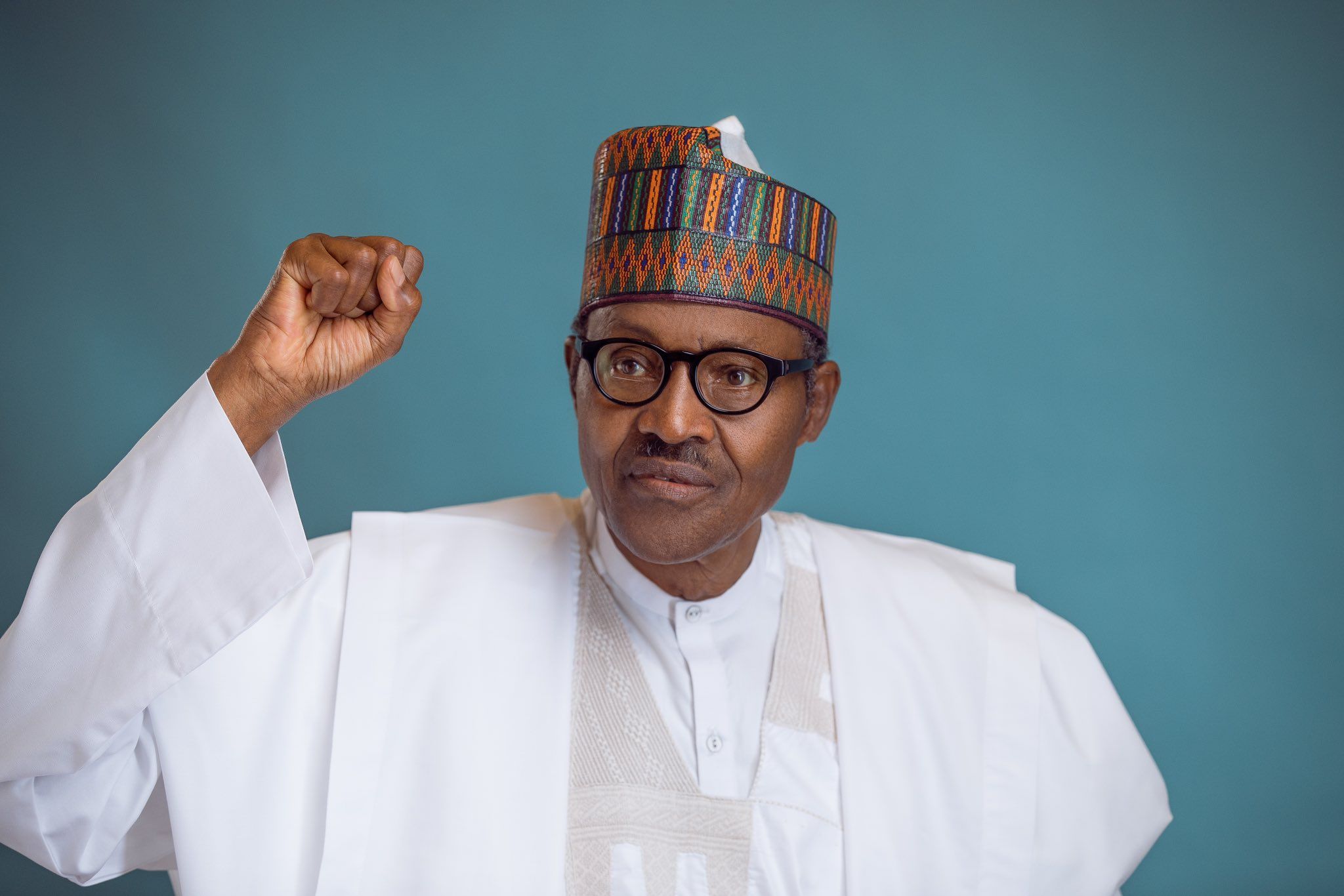
Muhammadu Buhari’s name is stamped across multiple chapters of Nigerian history—each marked by tension, control, and moments of unfulfilled promise. From his military rule in the 1980s to his two-term civilian presidency starting in 2015, Buhari navigated Nigeria’s deepest fractures with a mixture of silence, austerity, and sheer resolve.
He didn't talk much. But when he did act, Nigeria felt it.
At the center of Buhari’s civilian rise was his hardline stance against corruption. His campaign promised to clean out the rot in Nigeria’s institutions. Agencies like the EFCC and ICPC were emboldened. High-profile arrests and asset recoveries peppered the headlines. But for every success, critics pointed to selective justice, political favoritism, and a judiciary too weak to finish what the executive started.
Still, few Nigerian leaders pushed the anti-corruption narrative with as much force and consistency—regardless of the contradictions embedded in the system.
Buhari inherited a Nigeria under siege—from Boko Haram in the northeast to rising banditry across the northwest and separatist tensions in the southeast. His military background raised hopes of a swift clampdown. In some areas, especially early in his first term, progress was made. Boko Haram was driven from strongholds and the military received better funding.
But the threats only evolved. New groups emerged. Attacks intensified. By the end of his presidency, national security had become a fragile balancing act, often reactive rather than preventative.
One area where Buhari left visible impact was infrastructure. He spearheaded major projects—railway lines, expressways, and airport upgrades that had stalled under previous administrations. The Abuja-Kaduna rail line and the Lagos-Ibadan expressway symbolized this renewed focus on national development.
Yet these gains were marred by poor maintenance culture, rising debts, and questions about the long-term sustainability of borrowing-heavy infrastructure programs. The vision was clear, but the execution was often uneven.
Buhari’s economic story is one of paradox. His government introduced reforms aimed at reducing import dependence, including agricultural revival schemes and a push for local production. But inflation soared, foreign investment dropped, and unemployment surged.
The naira weakened. Fuel subsidies persisted longer than promised. Poverty rates climbed. His critics accused him of presiding over an economy that punished the poor while shielding the elite. To his supporters, however, he planted seeds of self-reliance that needed time to mature.
Despite being democratically elected, Buhari was often seen as a rigid, top-down ruler. His style remained authoritarian—slow to communicate, selective in engagement, and generally detached from public discourse.
Media crackdowns, suppression of protests like #EndSARS, and disregard for court orders sparked fears of democratic backsliding. Though he never suspended elections or dissolved parliaments, his presidency was marked by an undeniable tightening of civic space.
To many, Buhari was a disciplined patriot who tried to reform a broken system with integrity. To others, he was a distant ruler out of touch with modern governance. His prolonged medical absences abroad only worsened this perception, casting shadows over his health and capacity to lead.
In the end, his image was neither glorified nor universally condemned—it simply reflected the contradictions of Nigeria itself: ambitious but constrained, hopeful but frustrated.
What Buhari left behind is not easily summarized. His legacy is one of unfinished battles, visible footprints, and lingering questions. He reminded Nigerians what it meant to have discipline in leadership, but also what it cost when such leadership lacked flexibility.
He delivered roads, launched reforms, and took bold stances against corruption. Yet his silence in moments of national anguish, his limited tolerance for dissent, and his economic missteps leave his legacy open to scrutiny.
Now gone, Buhari’s era enters the books as both a corrective phase and a cautionary tale. He gave Nigeria structure, but not always direction. He gave the country rules, but not always justice.






0 comments