
Your Read is on the Way
Every Story Matters
Every Story Matters
The Hydropower Boom in Africa: A Green Energy Revolution Africa is tapping into its immense hydropower potential, ushering in an era of renewable energy. With monumental projects like Ethiopia’s Grand Ethiopian Renaissance Dam (GERD) and the Inga Dams in the Democratic Republic of Congo, the continent is gearing up to address its energy demands sustainably while driving economic growth.
Northern Kenya is a region rich in resources, cultural diversity, and strategic trade potential, yet it remains underutilized in the national development agenda.

Can AI Help cure HIV AIDS in 2025

Why Ruiru is Almost Dominating Thika in 2025

Mathare Exposed! Discover Mathare-Nairobi through an immersive ground and aerial Tour- HD

Bullet Bras Evolution || Where did Bullet Bras go to?
President Donald Trump has signed a comprehensive executive order implementing a renewed and widened travel ban on citizens from 12 nations. The directive revives a hallmark policy from his previous administration, this time reintroduced with expanded scope and urgency. The countries affected by the latest ban include Afghanistan, Haiti, Iran, Yemen, Somalia, Sudan, Libya, Eritrea, Chad, Congo, Equatorial Guinea, and Burma.
According to the directive, entry to the United States by nationals from these countries will be fully suspended unless under exceptional circumstances. The executive move follows the administration’s stated aim to heighten immigration controls and mitigate perceived national security vulnerabilities.
Beyond the full entry ban affecting 12 nations, the order also introduces partial restrictions on seven other countries. These include Cuba, Turkmenistan, Togo, Laos, Venezuela, Burundi, and Sierra Leone. Citizens from these nations will face either heightened visa vetting procedures, suspension of certain visa categories, or reduced access to immigrant pathways depending on the case-by-case evaluations.
This tiered system suggests a move toward differentiated immigration control, where the level of restriction corresponds to what U.S. authorities perceive as the quality and reliability of the respective country’s identity verification and information-sharing systems.
The former administration has framed the ban as a preemptive national security safeguard. Citing weak cooperation from certain governments, lack of reliable identity verification, and recent concerns around overstayed visas and potential radicalization, the executive order outlines a preventative strategy. Officials argue that without the ability to fully vet individuals from these jurisdictions, allowing entry could pose risks to domestic safety.
The announcement comes amidst growing domestic pressure to tighten borders and reassess U.S. immigration policy. Though no specific threat was attributed to nationals of the listed countries, the former president emphasized the need to “ensure complete control over who is allowed into our homeland.”
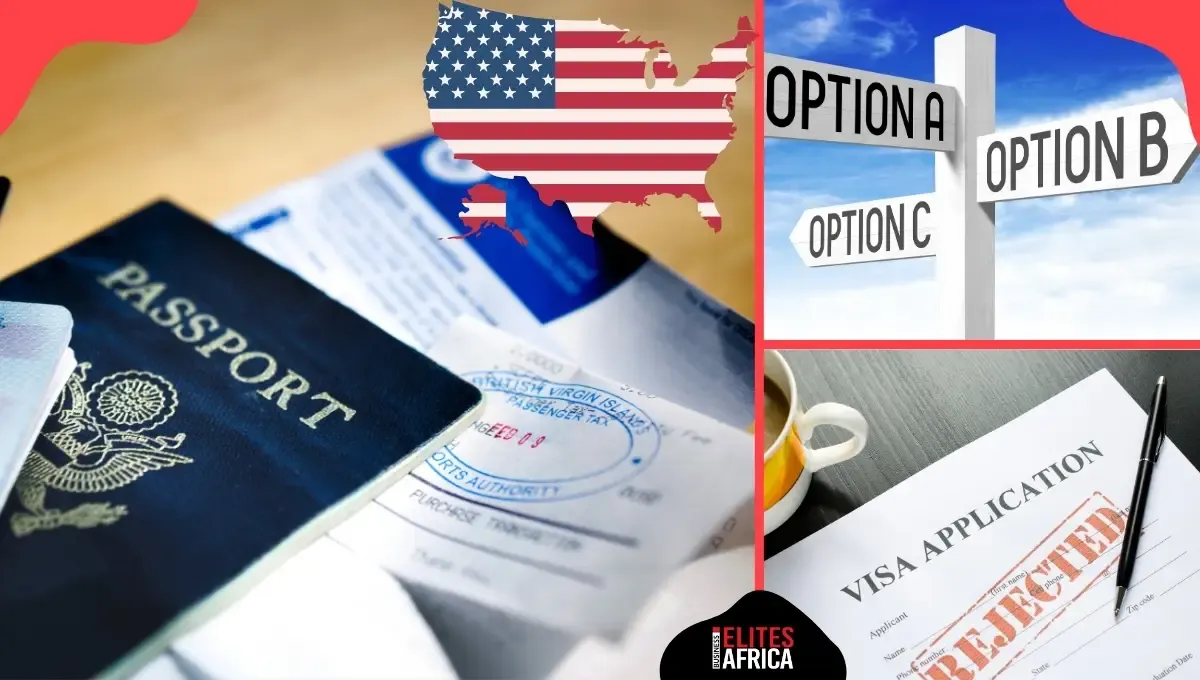
As with earlier travel bans, this order has reignited opposition from immigration advocates, civil liberties organizations, and some lawmakers. Critics argue that the move targets predominantly non-Western and Muslim-majority nations, describing it as discriminatory in intent and disruptive in effect. Several legal teams are already preparing challenges on grounds of constitutional overreach and human rights violations.
Opponents contend that the policy undermines America’s long-standing role as a destination for asylum seekers and refugees. Humanitarian organizations warn that the policy could leave vulnerable individuals—particularly those fleeing violence or political persecution—trapped in crisis zones without safe options for relocation.
International reactions have been swift, with several governments expressing concern over the potential diplomatic implications. Some nations affected by the ban have indicated that reciprocal measures may be considered. Meanwhile, travel agencies, immigrant support organizations, and universities have begun assessing the impact of the restrictions on students, workers, and families with ties to the United States.
The order is scheduled to take effect on June 9, 2025. Its implementation will be overseen by the Department of Homeland Security in coordination with the State Department. U.S. embassies in the affected countries have been directed to suspend non-emergency visa processing pending further instructions.
The policy marks a sharp return to the restrictive immigration posture that defined much of Trump’s earlier presidency. It suggests a continuing pivot away from globalist openness toward more rigid, security-first immigration frameworks. As the legal battles unfold, the effectiveness and legality of this approach will face intense scrutiny both in the courts and in the arena of public opinion.
While the administration defends the move as a necessary guardrail for national safety, its broader impact on diplomacy, humanitarian obligations, and immigrant communities remains uncertain. For now, the travel ban stands as one of the most consequential and controversial immigration policies reintroduced in recent years.






0 comments