
Your Read is on the Way
Every Story Matters
Every Story Matters
The Hydropower Boom in Africa: A Green Energy Revolution Africa is tapping into its immense hydropower potential, ushering in an era of renewable energy. With monumental projects like Ethiopia’s Grand Ethiopian Renaissance Dam (GERD) and the Inga Dams in the Democratic Republic of Congo, the continent is gearing up to address its energy demands sustainably while driving economic growth.
Northern Kenya is a region rich in resources, cultural diversity, and strategic trade potential, yet it remains underutilized in the national development agenda.

Can AI Help cure HIV AIDS in 2025

Why Ruiru is Almost Dominating Thika in 2025

Mathare Exposed! Discover Mathare-Nairobi through an immersive ground and aerial Tour- HD

Bullet Bras Evolution || Where did Bullet Bras go to?
The much-anticipated diplomatic summit in London, which had been painted as a possible turning point in the grinding Russia-Ukraine war, unfolded far more quietly and modestly than originally planned. Expectations were high for a bold new framework or at least a unified Western front, but reality stepped in quickly with a colder message. Key players like U.S. Secretary of State Marco Rubio were notably absent, replaced by lower-level envoys and retired military advisors. The downgrade in delegation reflected more than just scheduling conflicts; it was symbolic of the caution and internal disagreement simmering within allied nations. Inside secure, undisclosed chambers, discussions were held in a far more reserved tone than the world had hoped for. This wasn't diplomacy at its most confident; it was diplomacy in a holding pattern, cautious and hedging its bets.
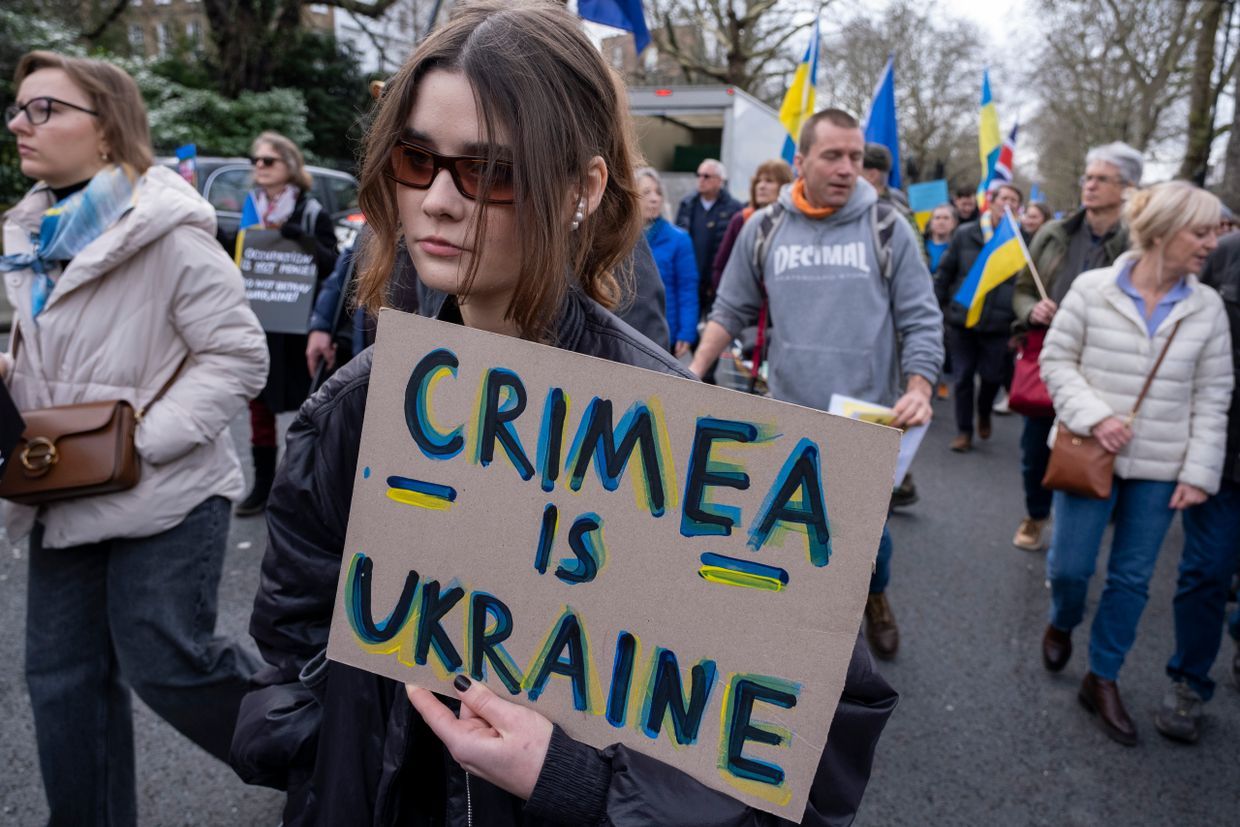
Perhaps the most jarring element of the talks came from the American side—a proposition that many deemed inflammatory, if not outright unacceptable. In what was described as a backchannel proposal, U.S. representatives floated the idea that Ukraine might consider relinquishing its claims to Crimea and formally commit to staying out of NATO, in exchange for a ceasefire and the withdrawal of Russian troops from other occupied regions. This wasn’t framed as an ultimatum but as a “pragmatic suggestion,” one meant to spark discussion.
However, to Ukrainian officials and many within the European camp, the very notion was both politically toxic and morally indefensible. President Volodymyr Zelenskyy, backed by public opinion at home, remained unwavering—Ukraine’s borders are not up for negotiation, and peace cannot come at the cost of sovereignty. The U.S. proposal inadvertently exposed the cracks in allied unity, especially as Washington seemed more focused on containment and long-term global stability than on justice or territorial restoration.
The European response was cautious but revealing. While publicly aligned with Ukraine’s stance, many behind closed doors expressed exhaustion with the war’s spillover effects—rising energy costs, waves of refugees, and escalating defense budgets. Several leaders reportedly hinted at the need for a “realistic solution,” one that might not fulfill every one of Kyiv’s aspirations but could end the violence and prevent further regional destabilization. This duality—support in speeches, doubts in strategy rooms—underscored the continent’s internal struggle.
Europe has long prided itself on democratic values and rule of law, yet the daily costs of those values, in the context of an entrenched and brutal war, are taking their toll. Still, many insisted that appeasing Russia would set a disastrous precedent, not only for Ukraine but for every small nation facing a stronger neighbor. As such, Europe walked a diplomatic tightrope—backing Ukraine publicly while quietly exploring what a settlement might eventually look like, and how much compromise would be too much.
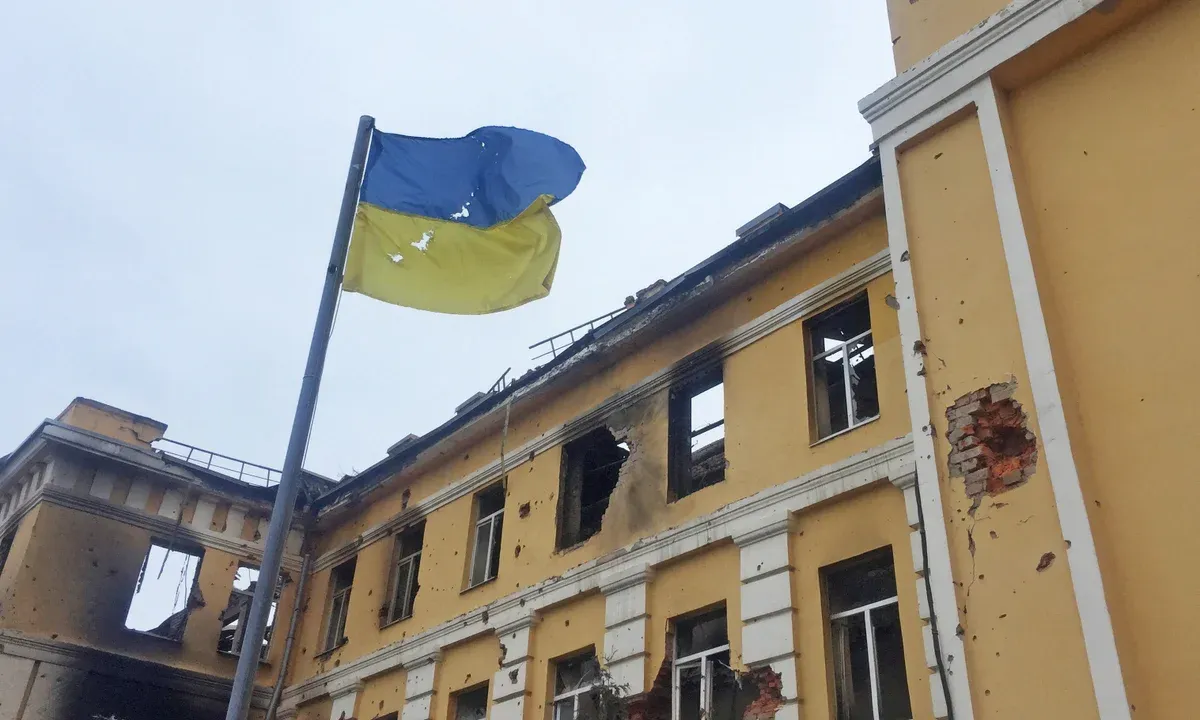
While diplomats debated territorial lines and theoretical guarantees, the war on the ground did not pause. Russian forces continued air raids across Ukrainian cities, including a wave of drone attacks that killed civilians and struck key infrastructure. For Ukrainians, the ongoing violence served as a harsh reminder that any talk of peace divorced from the realities on the battlefield felt detached, even delusional. It also raised urgent questions—can any agreement truly hold if Russia continues to violate ceasefires, and how can Ukraine trust a process that doesn’t stop the immediate bloodshed? The timing of the Russian attacks during the talks was either a calculated signal or a grim coincidence, but either way, it sent a clear message: Moscow is not yet ready to talk peace on equal terms. For those at the London table, this added urgency and skepticism to already tense deliberations.
Amid the frustration and geopolitical tightrope walking, one potential strategy began to gain quiet traction—a proposal for a so-called “Coalition of the Willing.” The idea involves a group of like-minded nations, possibly led by the UK or France, that would commit to enforcing and supporting any eventual peace deal through both diplomatic channels and security guarantees. This could include military support, economic reconstruction packages, and long-term commitments to defend Ukraine should hostilities resume.
Unlike NATO, which remains a red line for Russia, this coalition would be more fluid and politically flexible. But it also raised immediate questions of legality, credibility, and sustainability. Would these countries truly risk confrontation again if Russia breached the peace? Would they have the means to protect Ukraine in the long run? The proposal, though still vague, hinted at the West’s shifting posture—away from passive support and toward more direct, albeit cautious, involvement in enforcing post-war stability.
Though the London talks ended without a major announcement or signed document, they revealed a great deal about the current state of global diplomacy regarding the Ukraine war. The willingness to even entertain territorial compromise showed a shift, at least among some players, toward conflict management over conflict resolution. The Ukrainian position remains principled and firm, but the diplomatic winds swirling around it are beginning to shift, slowly and uncomfortably.
The talks also illustrated the limits of Western unity—broad consensus exists on opposing Russian aggression, but the strategies to stop it are increasingly diverging. As pressure mounts to find a path forward, these tensions will likely intensify, especially as war fatigue grows and election seasons approach in key NATO countries. Peace may not be around the corner, but the quiet maneuvers in London have set the stage for what the next phase of this war might look like—not fought solely on the battlefield, but argued, traded, and redrawn at the negotiation table.
Read this related article: U.S. Pushes Ukraine Toward Crimea Concession Amid Secret Moscow Talks






0 comments