
Your Read is on the Way
Every Story Matters
Every Story Matters
The Hydropower Boom in Africa: A Green Energy Revolution Africa is tapping into its immense hydropower potential, ushering in an era of renewable energy. With monumental projects like Ethiopia’s Grand Ethiopian Renaissance Dam (GERD) and the Inga Dams in the Democratic Republic of Congo, the continent is gearing up to address its energy demands sustainably while driving economic growth.
Northern Kenya is a region rich in resources, cultural diversity, and strategic trade potential, yet it remains underutilized in the national development agenda.

Can AI Help cure HIV AIDS in 2025

Why Ruiru is Almost Dominating Thika in 2025

Mathare Exposed! Discover Mathare-Nairobi through an immersive ground and aerial Tour- HD

Bullet Bras Evolution || Where did Bullet Bras go to?
In an unprecedented move, the Trump administration has initiated an aggressive downsizing of the federal workforce, eliminating thousands of positions across multiple agencies. The White House claims this is part of a broader effort to streamline government operations, reduce inefficiencies, and cut down on wasteful spending. Officials argue that for decades, the government has been bogged down by unnecessary bureaucracy, making essential services sluggish and ineffective.
However, the execution of the plan has been anything but smooth. The Department of Government Efficiency (DOGE), led by Elon Musk, has been tasked with overseeing the restructuring, but reports suggest that many layoffs were rushed and poorly coordinated. Critical personnel from agencies like the Centers for Disease Control and Prevention (CDC) and the Department of Energy were mistakenly terminated, leading to last-minute reinstatements. Some departments have been left in disarray, with essential functions disrupted as teams scramble to fill vacancies or redistribute workloads.
Vice President JD Vance, a major advocate for the restructuring, has admitted that the layoffs have been marred by significant errors. In a recent television interview, he acknowledged that the administration underestimated the complexity of such a massive overhaul. "When you move fast, mistakes are inevitable. What’s important is that we correct them quickly," Vance stated, attempting to reassure the public that the administration is aware of the disruptions.
Despite his admission, Vance remains firm in his stance that the government workforce was overdue for a shake-up. He insists that while some jobs were cut hastily, the broader mission of reducing unnecessary federal positions remains intact. The administration continues to push the narrative that short-term disruptions will lead to long-term efficiency, but critics argue that these justifications fail to account for the immediate chaos the layoffs have caused.
The aggressive downsizing has had a ripple effect on the economy, sending shockwaves through the stock market. Investors are reacting with unease, concerned that the rapid elimination of government jobs could lead to a downturn in consumer confidence and a decrease in economic stability. In the past two weeks, stock markets have experienced significant losses, with major indexes dropping as fears of a recession grow.
Economists warn that these mass layoffs could have unintended consequences beyond government offices. Government contracts, grants, and programs that support private sector jobs may also be affected, potentially leading to a broader employment crisis. "When you remove this many jobs from the federal workforce all at once, you aren’t just cutting government spending—you’re disrupting an entire economic ecosystem," said economist Rachel Linwood. "Businesses that rely on government contracts may face financial uncertainty, which can lead to further job losses in the private sector."
The administration’s workforce reduction plan has met fierce resistance in the legal arena, with multiple court challenges halting portions of the layoffs. Two federal judges, in separate rulings, have found that the firings violated employment laws, leading to a temporary halt of the restructuring. In San Francisco, Judge William Alsup ruled that the terminations of thousands of probationary employees lacked due process, while in Maryland, Judge James Bredar found that the administration’s failure to conduct proper employee reviews violated federal labor regulations.
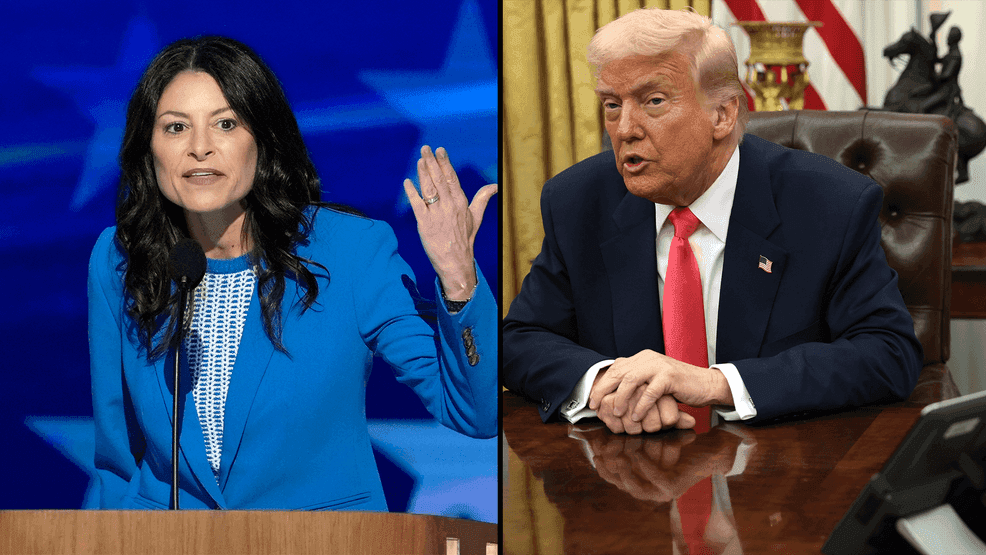
These rulings have thrown a wrench into the White House’s plans, forcing agencies to reinstate thousands of employees while legal battles play out. The administration has responded aggressively, dismissing the judges’ decisions as politically motivated and vowing to fight them in higher courts. White House Press Secretary Karoline Leavitt condemned the rulings, arguing that the courts are overstepping their authority and interfering with executive decision-making. However, labor unions and legal experts argue that the rulings highlight the administration’s failure to follow legal protocols before carrying out mass terminations.
Among the most contentious aspects of the restructuring is the deep cut to the Internal Revenue Service (IRS), which has long been a target of Republican criticism. The agency, responsible for tax collection and enforcement, is facing a drastic 25% reduction in its workforce, with thousands of employees already dismissed. The administration argues that the IRS has become bloated and inefficient, requiring a major overhaul to improve its functionality.
However, critics warn that these layoffs could have serious consequences for tax enforcement and revenue collection. The reduced workforce may lead to delays in processing tax returns, weakened fraud detection, and a decline in revenue, potentially worsening the budget deficit. Senator Elizabeth Warren has been among the most vocal opponents of the IRS cuts, warning that the move is designed to shield wealthy individuals and corporations from scrutiny. "This isn’t about efficiency. This is about dismantling the government’s ability to hold the ultra-rich accountable," Warren stated during a Senate hearing.
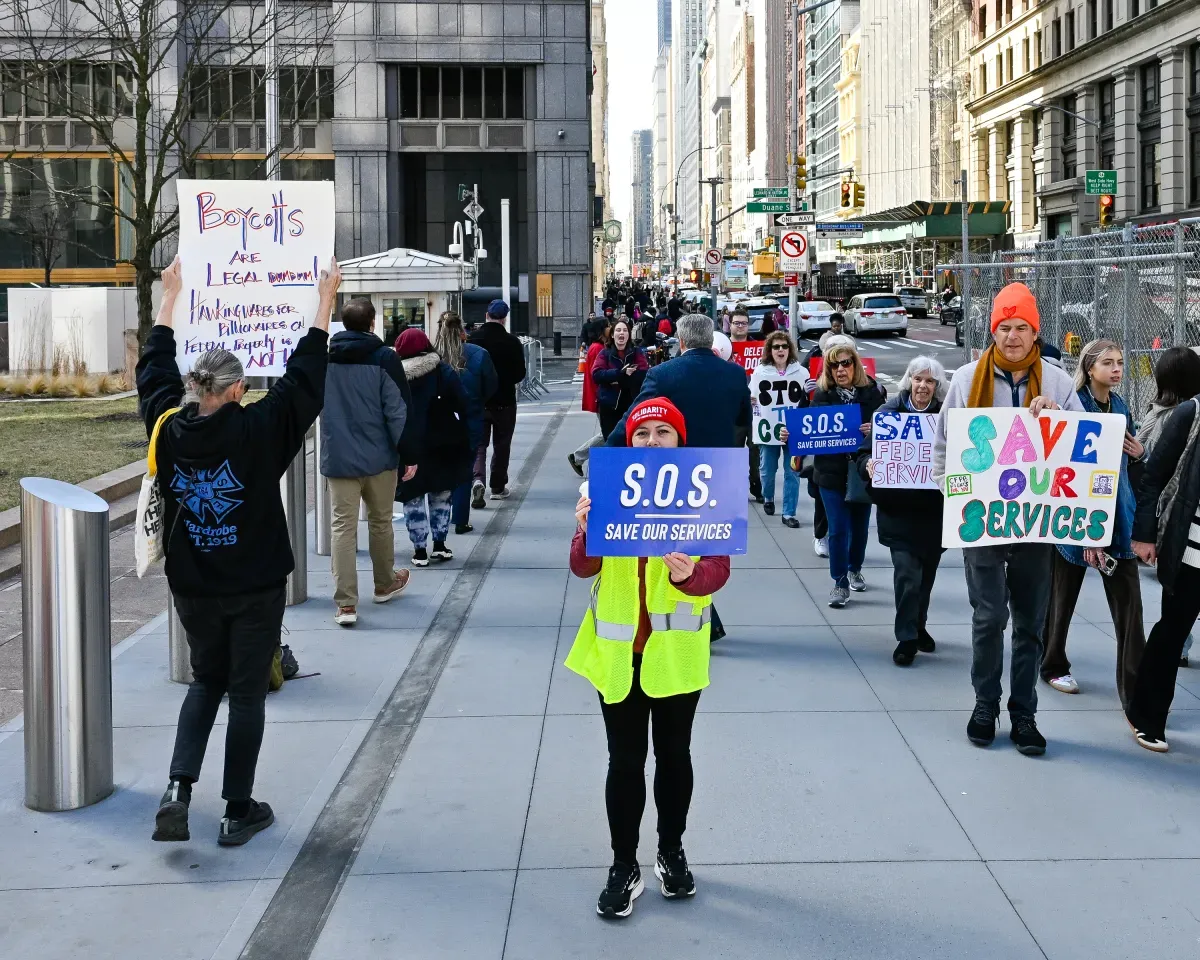
As layoffs continue, federal employee unions are mobilizing to resist the cuts. Protests have erupted in Washington, D.C., and several other major cities, with government workers demanding better transparency and accountability in the restructuring process. Labor leaders argue that the administration has acted recklessly, failing to consider the real-world impacts of its policies.

Union lawsuits are also mounting, challenging the legality of the mass layoffs. The American Federation of Government Employees (AFGE) has filed multiple complaints, seeking injunctions to prevent further terminations. "We will not stand by while dedicated public servants are tossed aside like disposable assets," said AFGE President Gerald Thompson. "This is not about reform. It’s about political gamesmanship at the expense of working families."
With legal battles mounting and public backlash growing, the future of the administration’s workforce overhaul is uncertain. The White House appears determined to push forward with its restructuring efforts, but opposition in the courts and in Congress may slow or even reverse some of its most aggressive moves. Some lawmakers are working on legislative measures to limit the president’s ability to conduct mass layoffs without congressional oversight, a move that could complicate the administration’s plans.
For now, thousands of federal employees remain in limbo, unsure of whether they will be reinstated or permanently out of work. The final outcome of this restructuring effort may ultimately be determined by the courts, by Congress, and by the broader political landscape. With so much at stake, this battle over the federal workforce is far from over.






0 comments