
Your Read is on the Way
Every Story Matters
Every Story Matters
The Hydropower Boom in Africa: A Green Energy Revolution Africa is tapping into its immense hydropower potential, ushering in an era of renewable energy. With monumental projects like Ethiopia’s Grand Ethiopian Renaissance Dam (GERD) and the Inga Dams in the Democratic Republic of Congo, the continent is gearing up to address its energy demands sustainably while driving economic growth.
Northern Kenya is a region rich in resources, cultural diversity, and strategic trade potential, yet it remains underutilized in the national development agenda.

Can AI Help cure HIV AIDS in 2025

Why Ruiru is Almost Dominating Thika in 2025

Mathare Exposed! Discover Mathare-Nairobi through an immersive ground and aerial Tour- HD

Bullet Bras Evolution || Where did Bullet Bras go to?
In a world where global power dynamics shift with every diplomatic handshake and military maneuver, Iran’s nuclear ambitions have become the focal point of an increasingly complex and volatile geopolitical game. Officially, world leaders continue to stress the need for diplomacy, urging Iran to comply with international regulations. Yet, beneath the surface, a silent war is being waged through espionage, cyber warfare, and shadow negotiations—an intricate web of power struggles that could determine the fate of the Middle East and beyond.
While the headlines speak of diplomatic meetings and peace talks, classified intelligence suggests that multiple players are engaged in a far more clandestine battle. As Western nations attempt to curb Iran’s nuclear aspirations through economic sanctions and political pressure, covert operations are being executed with precision, targeting Iran’s nuclear infrastructure and its most secretive facilities. The question remains: is this a calculated effort to delay Iran’s nuclear progress, or is the world unknowingly inching towards a devastating conflict?
In recent months, Iran’s nuclear program has faced an unprecedented wave of cyberattacks, suspected to be the work of Western intelligence agencies and their allies. These sophisticated strikes bear striking similarities to the infamous Stuxnet virus, which crippled Iran’s centrifuges over a decade ago. While Iranian officials have downplayed the impact, experts believe these attacks are part of a larger strategy designed to disrupt nuclear advancements without resorting to direct military confrontation.
Beyond cyber warfare, reports indicate an increase in sabotage operations targeting Iran’s key nuclear facilities. Mysterious explosions, unexplained power outages, and industrial accidents have plagued several sites, raising suspicions of foreign interference. Intelligence sources suggest that elite espionage units, working in coordination with cyber specialists, are deploying physical sabotage tactics to ensure Iran’s nuclear progress remains slow and unreliable. Tehran, however, has responded with countermeasures, ramping up security at its facilities and launching counterintelligence operations to root out suspected foreign agents.

Yet, despite these setbacks, Iran remains resolute. The nation has rebuilt and fortified its nuclear infrastructure, moving key operations to heavily protected underground facilities. With each attack, Iran’s nuclear scientists and engineers are refining their defenses, making it increasingly difficult for foreign operatives to infiltrate or disrupt their progress.
Despite the defiant public rhetoric from Iranian leaders, behind the scenes, classified intelligence leaks suggest that a faction within Tehran’s government is engaged in discreet diplomatic negotiations. These secret discussions, facilitated by European and Gulf state intermediaries, aim to explore possible compromises that could ease economic sanctions in exchange for halting or slowing down Iran’s nuclear activities. However, these efforts are deeply controversial within Iran, as they clash with the hardline stance of influential military and political figures who view nuclear capability as a strategic necessity.
The internal divide is growing more evident. While some Iranian officials acknowledge the crippling impact of sanctions and advocate for diplomatic engagement, others argue that negotiation under pressure is a sign of weakness. Supreme Leader Ayatollah Ali Khamenei remains a pivotal figure in this debate, carefully balancing between the demands of hardliners who push for nuclear deterrence and those who seek economic stability through diplomacy. This ongoing power struggle has led to inconsistent messaging from Iran’s leadership, leaving the international community uncertain about the country’s true intentions.
Meanwhile, foreign diplomats remain cautiously optimistic that backchannel negotiations could lead to a breakthrough. But with Iran’s trust in Western powers at an all-time low, especially after past deals were unilaterally abandoned, convincing Tehran to return to the negotiating table remains an uphill battle. Every move is met with suspicion, and every proposal is weighed against the possibility of deception.
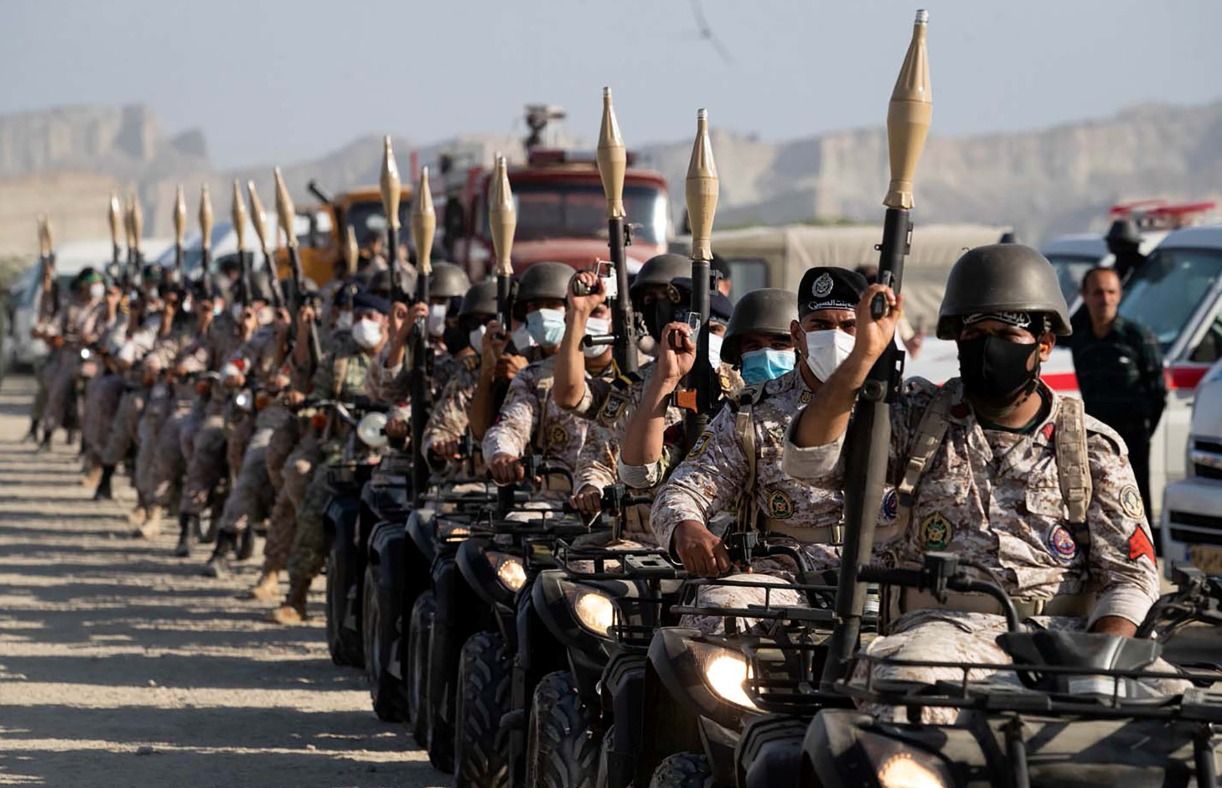
Recent satellite imagery has revealed significant military activity around Iran’s key nuclear sites, signaling preparations for potential conflict. Intelligence reports indicate that Iran has increased its defensive fortifications, deploying advanced air defense systems and strengthening underground bunkers designed to withstand aerial bombardment. These measures suggest that Iranian leadership is anticipating a possible military strike, either from Israel or a U.S.-led coalition.
At the same time, Israel and the United States have been conducting joint military exercises, simulating air raids on heavily fortified targets. The presence of long-range bombers and aircraft carriers in the region has further heightened tensions, as it sends a clear warning to Tehran that military options remain firmly on the table. Israeli officials, in particular, have been vocal about their readiness to act unilaterally if Iran is perceived to be nearing nuclear weapons capability.
While no country wants to ignite a full-scale war, the constant military posturing increases the risk of miscalculation. A single misstep, whether an accidental airstrike, a retaliatory attack, or an escalation of proxy conflicts, could rapidly spiral into an uncontrollable regional crisis. As diplomatic efforts falter and military preparations escalate, the world watches anxiously, aware that the next decision could have far-reaching consequences.
Iran’s nuclear ambitions are not just a source of international tension, they are also fueling internal debates that are reshaping the country’s political landscape. Within Tehran, factions are fiercely divided on whether to pursue full nuclear weaponization or continue to maintain strategic ambiguity.
On one side, hardliners argue that nuclear deterrence is the only way to ensure Iran’s sovereignty and protection against foreign intervention. They point to examples like North Korea, which has largely deterred military aggression through its nuclear arsenal. On the other side, moderates and reformists caution that pursuing nuclear weapons could bring devastating economic and political isolation, further crippling an already strained economy. They advocate for a carefully negotiated settlement that would allow Iran to maintain nuclear energy capabilities while avoiding international backlash.
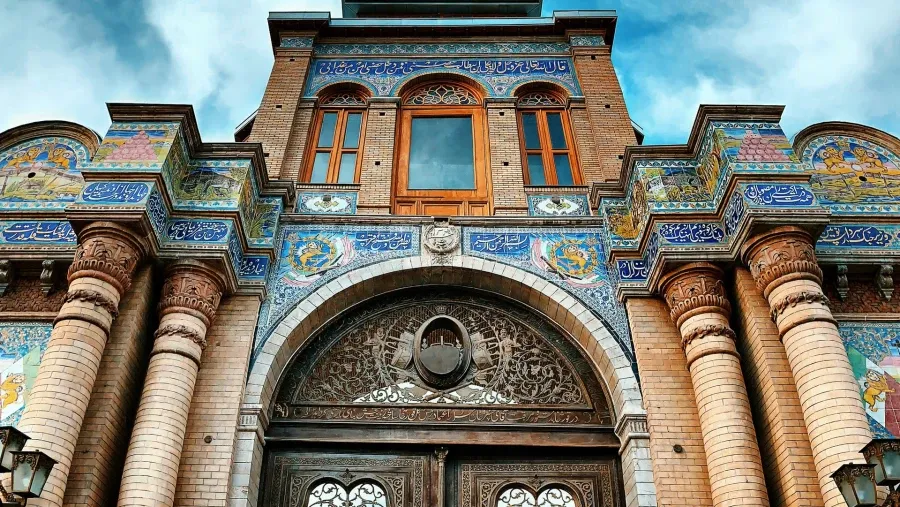
Adding to the complexity is Iran’s historical experience with foreign interference. Many in the country view Western attempts at diplomacy with skepticism, believing that previous agreements have only led to betrayals and broken promises. This deep-rooted distrust makes internal decision-making even more difficult, as leaders must navigate both domestic pressure and international expectations.
The Supreme Leader remains the ultimate authority, but the increasing fractures within the regime suggest that Iran’s nuclear policy could shift dramatically depending on who gains the upper hand in this internal struggle.
Despite mounting global concerns, Iran continues to tread the line of strategic ambiguity regarding its nuclear ambitions. While it insists that its program is solely for peaceful energy purposes, its rapidly growing stockpile of enriched uranium tells a different story. The International Atomic Energy Agency (IAEA) has reported that Iran’s uranium enrichment levels are alarmingly close to weapons-grade, raising fears that Tehran could be on the brink of nuclear capability.
The world’s major powers now face a difficult choice, continue pushing for a diplomatic solution or prepare for the possibility of military action. With the expiration of key enforcement measures from the 2015 nuclear deal approaching, the window for diplomatic leverage is rapidly closing. European nations, alongside the United States, are threatening to reimpose severe sanctions, hoping to force Iran into compliance while they still have negotiating power.
But Iran, weakened by economic struggles yet emboldened by its regional alliances, appears unwilling to back down. Whether it ultimately chooses to cross the nuclear threshold or leverage its progress for diplomatic gain remains uncertain. What is clear, however, is that the silent war over Iran’s nuclear future is far from over.
While world leaders debate in conference rooms, the real struggle is happening in the shadows, where cyber warfare, secret negotiations, and military brinkmanship are shaping the next chapter of global security.






0 comments