
Your Read is on the Way
Every Story Matters
Every Story Matters
The Hydropower Boom in Africa: A Green Energy Revolution Africa is tapping into its immense hydropower potential, ushering in an era of renewable energy. With monumental projects like Ethiopia’s Grand Ethiopian Renaissance Dam (GERD) and the Inga Dams in the Democratic Republic of Congo, the continent is gearing up to address its energy demands sustainably while driving economic growth.
Northern Kenya is a region rich in resources, cultural diversity, and strategic trade potential, yet it remains underutilized in the national development agenda.

Can AI Help cure HIV AIDS in 2025

Why Ruiru is Almost Dominating Thika in 2025

Mathare Exposed! Discover Mathare-Nairobi through an immersive ground and aerial Tour- HD

Bullet Bras Evolution || Where did Bullet Bras go to?
The world is inching dangerously close to a flashpoint, and India finds itself balancing on a knife’s edge. With the U.S. unleashing a storm of bunker-busting bombs on Iran’s nuclear facilities and Israel openly declaring that Iran’s Supreme Leader Khamenei “cannot continue to exist,” a new chapter of geopolitical reckoning has begun.
The fallout isn’t limited to missiles and death tolls—it’s reshaping alliances, igniting old tensions, and forcing global powers to pick sides. India, wedged between diplomacy, dependency, and danger, is being pushed into the storm.
What began as precision airstrikes by U.S. B-2 bombers on hardened Iranian nuclear sites—Fordow, Natanz, and Esfahan—has quickly spiraled into a regional nightmare. Human rights groups report nearly 900 dead and over 3,000 injured, while international outrage simmers. Cruise missiles followed bunker busters, pounding military and strategic assets inside Iran in what Washington is calling a “decisive blow.”
But decisive to whom? Tehran is vowing retaliation, Israel is doubling down, and the world is watching the Gulf tremble. The global energy market shudders, regional economies panic, and the ripple effects are arriving—fast.
In response to the destabilization, New Delhi has gone into strategic overdrive. With Middle Eastern oil supply chains under threat, India has ramped up crude imports from both Russia and the U.S., insulating itself from the shockwaves rocking OPEC. It’s not just about fuel—it’s about survival.
Meanwhile, Operation Ghar Wapsi is in full swing. So far, 827 Indian nationals have been rescued from the Gulf region. Diplomatic missions are on alert. Flights are being coordinated around potential no-fly zones. For India, every hour counts.
But the diplomacy is even trickier. On one hand, India cannot afford to alienate the U.S.—a key strategic and economic partner. On the other, Tehran has long-standing cultural and oil-trade ties with New Delhi. With Washington’s missiles and Tel Aviv’s rhetoric dominating headlines, India’s careful balancing act is under enormous strain.
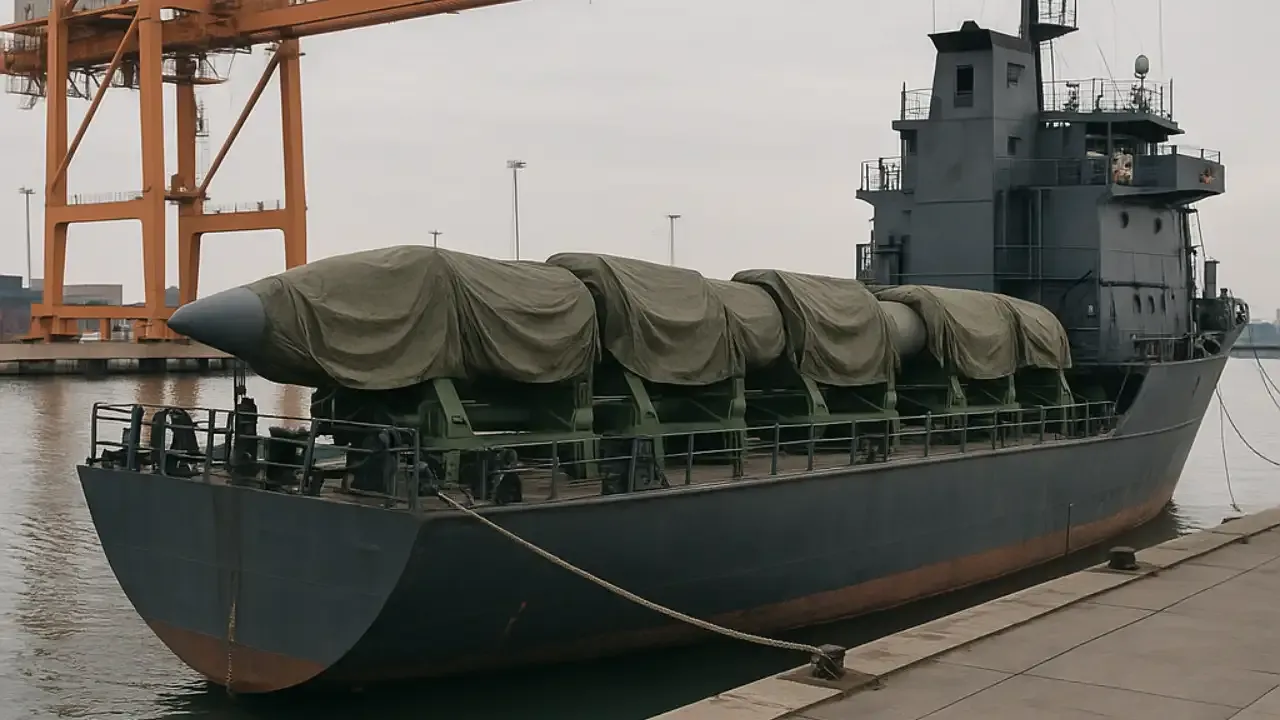
Just as India tries to stay above the fray, another spark lights a fuse. The Financial Action Task Force has linked a 2020 cargo seizure by Indian authorities to Pakistan’s missile development agency. Dual-use materials intercepted from a Chinese vessel were allegedly bound for a Pakistani military port, renewing fears of covert proliferation and state-sponsored terror.
Islamabad has rejected the claims, but New Delhi isn’t buying it. Heated diplomatic exchanges are already underway. In the backdrop of an already unstable region, the FATF findings risk dragging the subcontinent’s oldest rivalry back into the spotlight.
Back home, the chaos abroad is matched by internal upheaval. The Indian government has announced a top-level reshuffle at Air India, removing three key officials involved in crew management. The national carrier, plagued by delays, safety scares, and management missteps, has come under fire—particularly at a time when efficient evacuations are critical.
In poll-bound Bihar, politics follows a more familiar script. Chief Minister Nitish Kumar has hiked social security pensions to ₹1,100 per month. Critics are calling it a blatant vote-buying ploy; supporters claim it's overdue relief. Either way, it’s another layer of political noise in a nation already distracted by global uncertainty.
Adding fuel to an already volatile atmosphere, news broke that cash was discovered in Justice Varma’s private storeroom. With accusations of judicial corruption flying, the credibility of India’s legal system is being questioned at a moment when national integrity should be unshakable. The story is developing, but the damage to public trust may already be done.
While the bombs have already dropped, it is Israel’s words that may have lit the fuse for the next phase of this conflict. In an unprecedented and highly inflammatory declaration, Israel’s Defence Minister said aloud what many feared—regime change in Iran is now an active objective.
Such rhetoric moves this from defense to offense. It also raises the stakes dramatically. Iran, bloodied but not broken, will not take that statement lightly. From Hezbollah to the Houthis, a chain reaction of violence is now more likely than ever.
Every signal points to a larger war brewing—one that won't be limited to two countries or one battlefield. India, as a rising global power, must now define its role in this cascading crisis. Will it stay neutral? Will it align more deeply with the West? Or will it chart an independent course that protects its citizens, economy, and sovereignty without feeding the flames of war?
Time is running out. Oil prices are rising. Refugees are moving. Allies are choosing sides. And as the global chessboard resets, India must decide not just where it stands—but what it stands for.






0 comments