
Your Read is on the Way
Every Story Matters
Every Story Matters
The Hydropower Boom in Africa: A Green Energy Revolution Africa is tapping into its immense hydropower potential, ushering in an era of renewable energy. With monumental projects like Ethiopia’s Grand Ethiopian Renaissance Dam (GERD) and the Inga Dams in the Democratic Republic of Congo, the continent is gearing up to address its energy demands sustainably while driving economic growth.
Northern Kenya is a region rich in resources, cultural diversity, and strategic trade potential, yet it remains underutilized in the national development agenda.

Can AI Help cure HIV AIDS in 2025

Why Ruiru is Almost Dominating Thika in 2025

Mathare Exposed! Discover Mathare-Nairobi through an immersive ground and aerial Tour- HD

Bullet Bras Evolution || Where did Bullet Bras go to?
In a bold reaffirmation of its unwavering commitment to Ukraine’s sovereignty, the United Kingdom has announced an extensive new military support package worth £450 million. This move represents not just a financial decision but a powerful political statement, signaling that London is prepared to intensify its role in one of Europe’s most consequential conflicts since World War II. With the war now stretching into its third year, the UK's posture suggests a belief that the outcome of this conflict will shape the geopolitical balance for decades to come.
Rather than standing passively on the sidelines, Britain is taking an active role on the world stage. By committing substantial resources and strategic assets to the defense of Ukraine, the UK is reinforcing the message that Russian aggression will not go unanswered. The decision to scale up support at this point in the conflict comes amid renewed Russian offensives and rising concerns about war fatigue among Ukraine's allies. This infusion of aid is designed to act as both a tactical reinforcement and a morale booster for Ukrainian forces, while also sending a clear warning to the Kremlin: Ukraine is not alone, and its allies are prepared to stay the course.
This newest support package is markedly different from the earlier, more generalized aid offerings. Instead of simply replenishing basic supplies, the latest tranche focuses on enhancing Ukraine’s battlefield precision and sustainability. Central to the new package is a fleet of over 10,000 attack drones, capable of carrying out both reconnaissance and precision strikes on enemy positions. These drones are vital in a conflict where mobility, surveillance, and rapid response are crucial to survival and success.
In addition to the drones, the UK is supplying state-of-the-art radar systems designed to detect and intercept incoming missiles and drones, giving Ukrainian cities and military sites enhanced defensive capabilities. These systems will help counter Russia’s increasingly sophisticated aerial attacks, which have targeted both military infrastructure and civilian energy grids. Moreover, the delivery of anti-tank and anti-vehicle mines aims to halt or delay Russian armored advances, especially in contested regions like Donetsk and Zaporizhzhia.
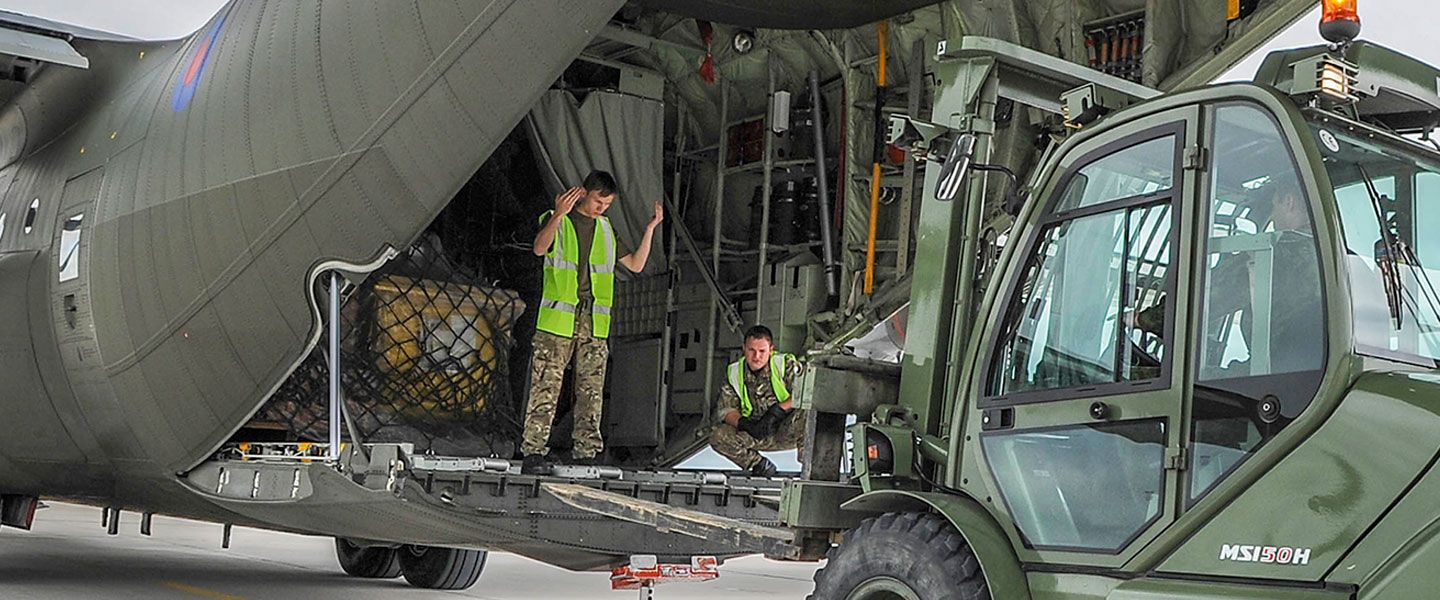
Equally important is the support for maintenance and repair of military equipment previously sent by the UK and its allies. War wears down machines as much as people, and the ability to repair vehicles, drones, and artillery on the battlefield is vital. The inclusion of parts, tools, and technical assistance underscores a shift in strategy: it’s not just about sending weapons, but ensuring Ukraine has the capacity to keep them operational in a war that increasingly hinges on logistics and sustainability.
At the same time as the UK unveiled its latest aid package, over 50 nations assembled in Brussels under the umbrella of a defense contact group focused exclusively on Ukraine. This gathering represents far more than a diplomatic photo opportunity. It’s a rare show of transnational unity in an era where many alliances are tested by internal division and shifting global priorities. The goal is simple yet profound: maintain a coordinated and unwavering support system for Ukraine and develop long-term strategies that align military aid with political outcomes.
In closed-door meetings and public statements, defense ministers and senior military officials discussed how to deepen their collaboration, streamline supply chains, and ensure that weapons and ammunition continue to flow where they are needed most. Discussions also included more complex issues, such as how to prepare for the possibility of a protracted war and how to handle the potential political ramifications of a ceasefire or peace negotiation.
One particularly pressing concern is the sustainability of support. While most countries reaffirmed their backing for Ukraine, the cost of aid—both financial and political—continues to rise. The Brussels summit sought to turn that challenge into an opportunity, framing support not as an open-ended obligation but as a necessary investment in global stability and democratic resilience.
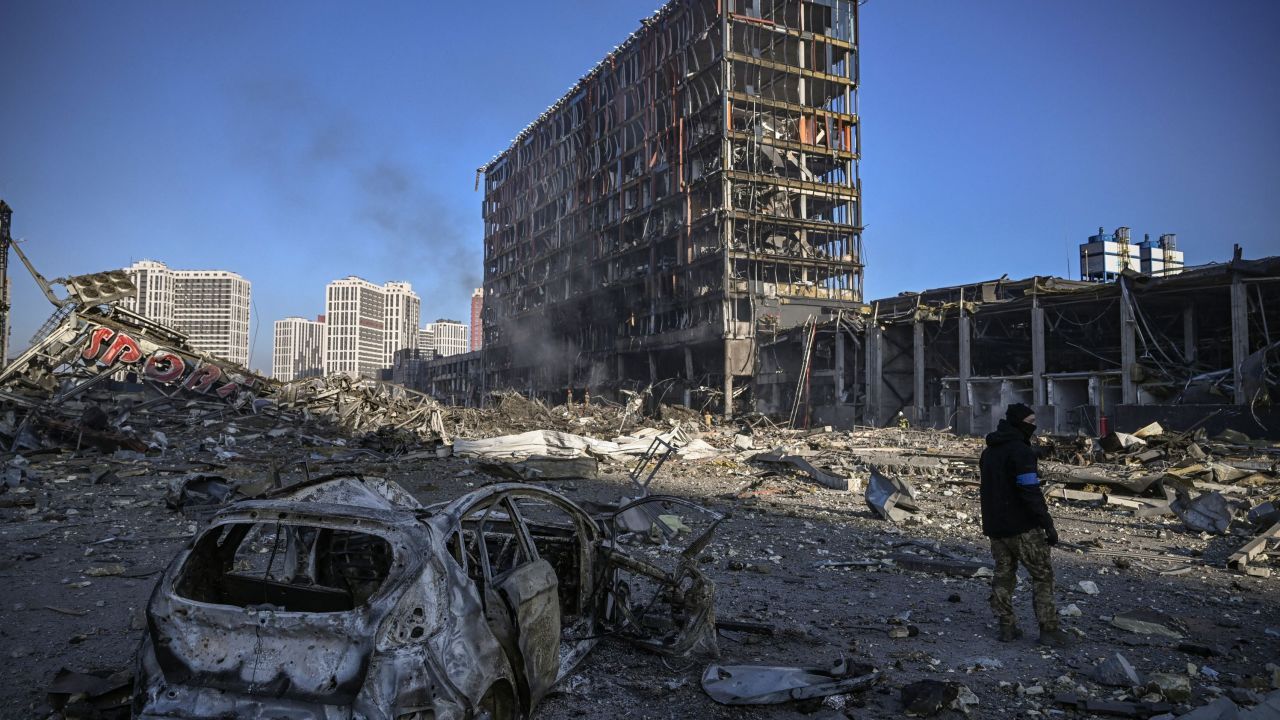
One of the most intriguing proposals to emerge from the Brussels summit is the concept of a multinational "Reassurance Force" that could be deployed in Ukraine under specific conditions. Unlike traditional peacekeeping forces, which are usually established after a conflict has formally ended, this force would be positioned to operate in a fluid and potentially unstable environment, should a ceasefire or peace agreement come into effect.
The goal of the Reassurance Force would be multifaceted. First and foremost, it would act as a deterrent to further Russian aggression by physically demonstrating the West's ongoing presence in Ukraine. Its mere deployment could provide a psychological and strategic buffer against renewed hostilities. Secondly, it would assist in stabilizing liberated areas, supporting efforts to restore infrastructure, manage displaced populations, and provide critical security during a fragile transition period. The force could also help with demining operations, training Ukrainian forces, and securing key energy and transportation hubs.
Though still in the conceptual stage, the idea signals a growing awareness among Ukraine's allies that any resolution to the war must be accompanied by strong international guarantees. Without such measures, the risk of a frozen conflict or future flare-ups remains dangerously high.
Amid growing uncertainty over the long-term commitment of other key allies, particularly the United States, the United Kingdom has positioned itself as a leading voice in the defense of Ukraine. In recent months, delays in Washington’s approval of additional aid packages and divisions within the U.S. Congress have created a sense of hesitation within the broader alliance. Britain, seizing the moment, has stepped into this vacuum with confidence and clarity of purpose.
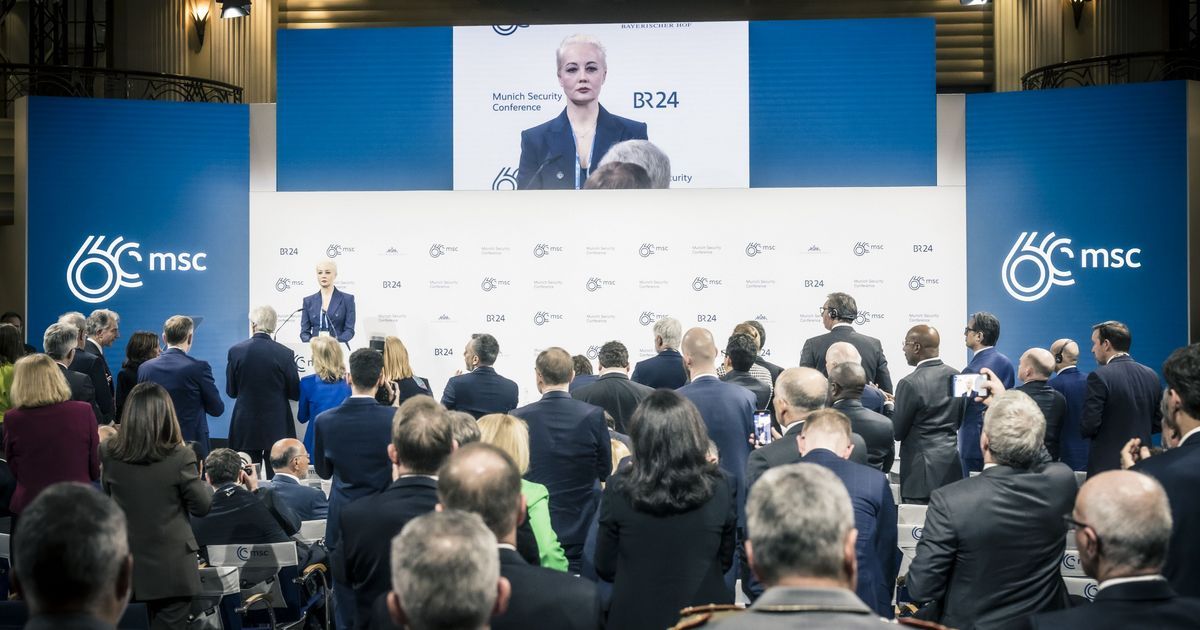
By chairing key defense coordination meetings and consistently pushing forward significant aid packages, the UK is not only backing Ukraine materially but also symbolically leading a coalition of willing democracies. This leadership is not without its critics, especially from those who argue that domestic challenges should take precedence. But British officials insist that defending Ukraine is intrinsically tied to defending European and global security. The view in London is that if Ukraine is allowed to fall or is forced into a compromised peace, the repercussions will stretch far beyond Eastern Europe, emboldening authoritarian regimes elsewhere.
This approach is strategic, but also deeply values-driven. Britain is betting that history will favor those who stood firm when democracy was under siege, and that the costs of standing back would ultimately outweigh the costs of stepping up.
As the war drags into yet another season, the challenges facing Ukraine are formidable. But so too is the resolve of its allies, and the United Kingdom has now put a substantial marker on the table. The £450 million package is more than an investment in weaponry; it is an investment in a free Ukraine and a signal to adversaries around the world that the West still has the will to act collectively when its values are threatened.
The war has already reshaped Europe, forcing nations to rethink energy policies, military readiness, and strategic alliances. The longer-term implications are still unfolding. But what is clear is that Britain’s role in this chapter of history will be remembered not just for its diplomatic gestures, but for its willingness to back words with action. As Ukrainian forces prepare for the battles ahead, they will do so knowing that one of Europe’s oldest powers has chosen not to turn away, but to walk beside them—armed, ready, and resolute.






0 comments