
Your Read is on the Way
Every Story Matters
Every Story Matters
The Hydropower Boom in Africa: A Green Energy Revolution Africa is tapping into its immense hydropower potential, ushering in an era of renewable energy. With monumental projects like Ethiopia’s Grand Ethiopian Renaissance Dam (GERD) and the Inga Dams in the Democratic Republic of Congo, the continent is gearing up to address its energy demands sustainably while driving economic growth.
Northern Kenya is a region rich in resources, cultural diversity, and strategic trade potential, yet it remains underutilized in the national development agenda.

Can AI Help cure HIV AIDS in 2025

Why Ruiru is Almost Dominating Thika in 2025

Mathare Exposed! Discover Mathare-Nairobi through an immersive ground and aerial Tour- HD

Bullet Bras Evolution || Where did Bullet Bras go to?
In a haunting turn of events, over 1.3 million Sudanese have started to return home — not because safety has prevailed, but because desperation has left them no choice. Since the civil war between General Abdel Fattah al-Burhan’s forces and the Rapid Support Forces (RSF) erupted in April 2023, millions fled the violence. Now, they’re heading back to homes reduced to debris, services that no longer function, and cities riddled with landmines.
The United Nations confirmed this week that at least one million internally displaced people (IDPs) and an additional 320,000 refugees have returned to Sudan in recent months, primarily from Egypt and South Sudan. This mass return is happening not in triumph, but under a cloud of danger and deep humanitarian need.
UN agencies were careful to note that "relative safety" in parts of Sudan is not a sign of resolution. The reality remains grim: the power struggle between the Sudanese Armed Forces and the RSF has destroyed infrastructure and displaced nearly 11 million people. The capital, Khartoum — once Sudan’s heartbeat — is in ruins. Hospitals, schools, and water systems are devastated.
Most of the returnees are heading to Al-Jazira and Sennar states, in the southeast. These areas now carry the weight of reintegration, but they lack the basic resources to do so. The UN expects up to 2.1 million people to return to Khartoum by the end of the year. That projection, however, is built on hope more than fact, as ongoing violence and the collapse of public services continue to dominate.
Despite the sheer scale of suffering, Sudan’s civil war remains a largely forgotten catastrophe on the global stage. The UN’s International Organization for Migration (IOM), refugee agency UNHCR, and development agency UNDP jointly warned that their efforts are being strangled by massive underfunding.
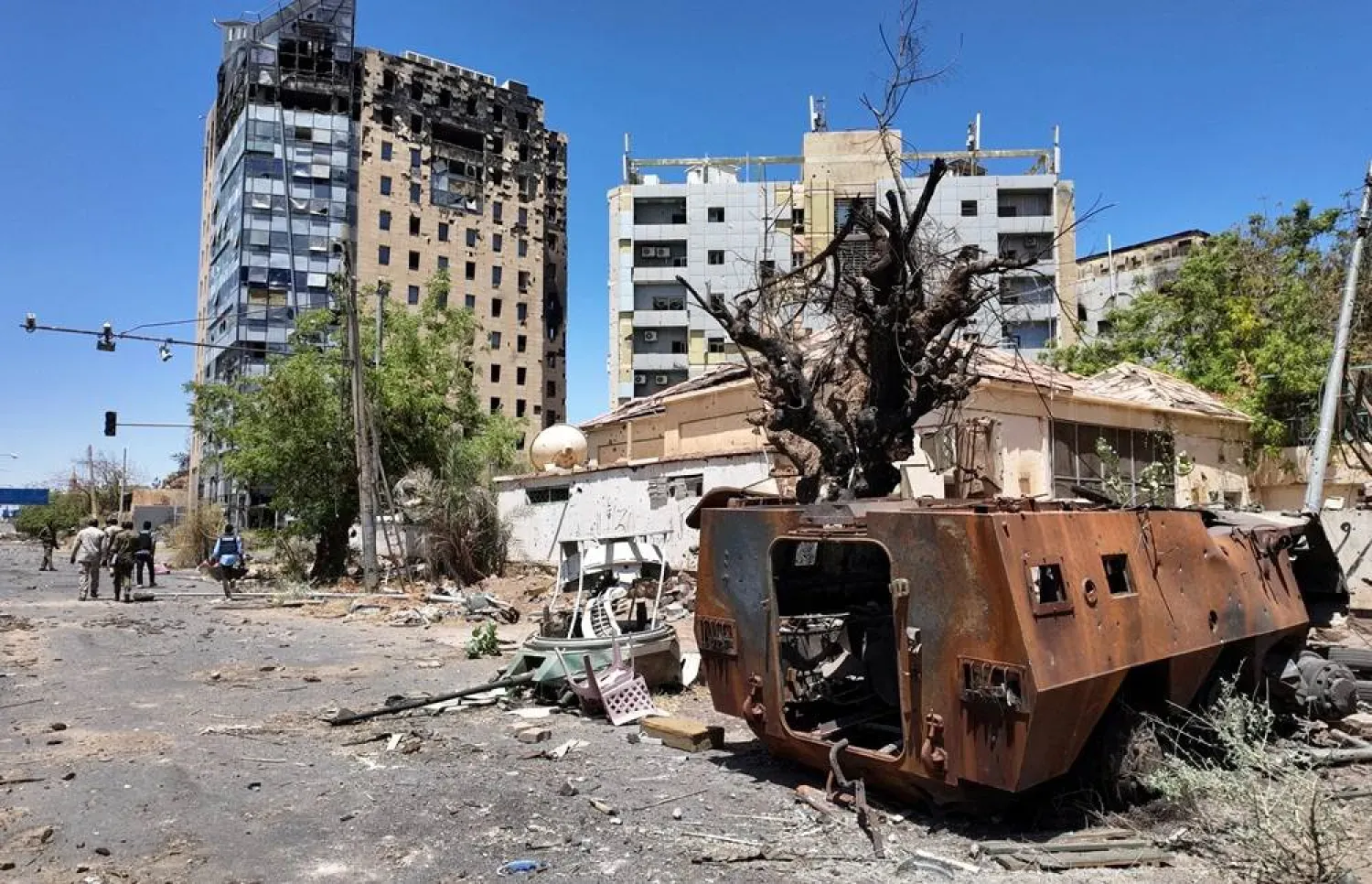
Sudan currently holds the largest number of displaced people in the world — more than 10 million, of whom 7.7 million were displaced by this conflict alone. Over four million have sought asylum in neighboring countries, creating ripples of instability across the Horn of Africa.
The IOM’s Othman Belbeisi didn’t mince words: “Sudan is a living nightmare. The war has unleashed hell for millions.” And now, even those who return must survive in the ruins of that nightmare.
Returning civilians face more than just poverty. They’re coming back to cities littered with unexploded ordnance, including anti-personnel mines found in at least five zones of Khartoum. According to UNDP, full decontamination of the city could take years, making every walk to a market, a school, or a well a gamble with death.
Public health, too, is on the brink. There are dire warnings about a second wave of cholera outbreaks, triggered by broken water systems and unsafe sanitation. The UNDP estimates that 1,700 water wells need urgent rehabilitation, while six hospitals and 35 schools in Khartoum are unusable due to damage.
Those returning from Egypt and other borders are arriving with nothing in hand. Most fled with what they could carry and are now met by destroyed homes, no food, no jobs, and little hope. UNHCR’s Mamadou Dian Balde described the situation bluntly: people are walking into a vacuum of support.
Without immediate global financial intervention, these returns will become another tragedy layered onto a conflict that has already claimed tens of thousands of lives.
The message from UN officials is clear: stop ignoring Sudan. The war is not over, the suffering is not over, and the world’s indifference is turning tragedy into catastrophe.






0 comments