
Your Read is on the Way
Every Story Matters
Every Story Matters
The Hydropower Boom in Africa: A Green Energy Revolution Africa is tapping into its immense hydropower potential, ushering in an era of renewable energy. With monumental projects like Ethiopia’s Grand Ethiopian Renaissance Dam (GERD) and the Inga Dams in the Democratic Republic of Congo, the continent is gearing up to address its energy demands sustainably while driving economic growth.
Northern Kenya is a region rich in resources, cultural diversity, and strategic trade potential, yet it remains underutilized in the national development agenda.

Can AI Help cure HIV AIDS in 2025

Why Ruiru is Almost Dominating Thika in 2025

Mathare Exposed! Discover Mathare-Nairobi through an immersive ground and aerial Tour- HD

Bullet Bras Evolution || Where did Bullet Bras go to?
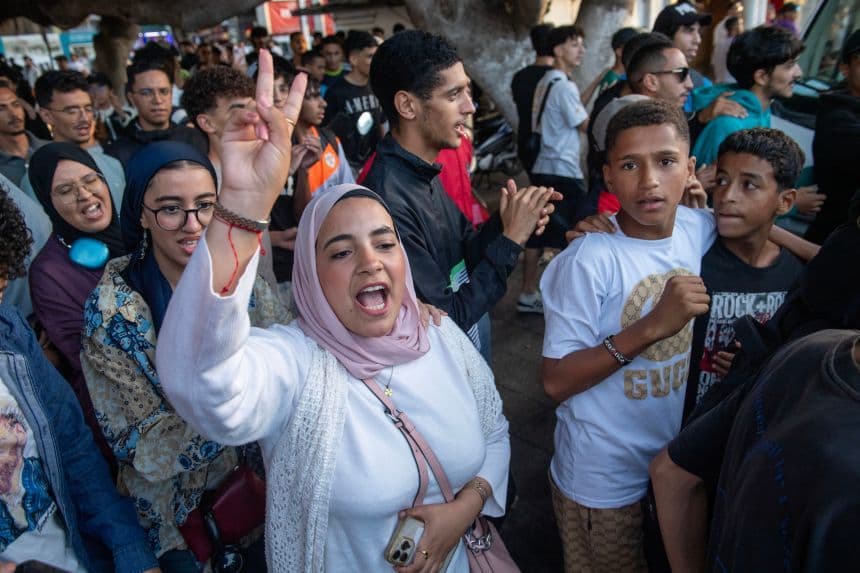
The protests were organized online by an anonymous youth collective calling itself “GenZ 212.” Using TikTok, Instagram, and even gaming chatrooms like Discord, the group mobilized thousands of young Moroccans who feel abandoned by the political system. Their demands are rooted in the desire for affordable education, accessible healthcare, and an end to economic stagnation that has left many of them unemployed or underpaid.
For four consecutive days, protests have shaken cities across Morocco, stretching from the southern towns of Tiznit, Inzegane, and Ait Amira to Oujda in the east and Temara near the capital Rabat.
In these regions, crowds hurled stones at police, set cars ablaze, and targeted banks and supermarkets, turning peaceful rallies into destructive clashes. Social media footage revealed masked demonstrators overturning police vehicles, torching branches of major banks, and battling law enforcement equipped with water cannons.
The confrontations have left a trail of destruction. In Inzegane, rioters set fire to a bank before security forces intervened. In Ait Amira, protestors destroyed police vehicles and torched property, while in Tiznit, stone-throwing mobs clashed with heavily deployed riot officers.
Witnesses in Oujda reported that one protester was left in critical condition after being struck by a security forces’ car. The unrest, originally framed as a peaceful movement, has quickly turned into one of the most violent episodes Morocco has seen in recent years.
In the capital Rabat, dozens of youths were arrested before they could begin chanting slogans. According to the Moroccan Association for Human Rights (AMDH), 37 youths are currently on bail pending investigation. AMDH officials have condemned the arrests, branding them unconstitutional and accusing the state of silencing dissent instead of addressing legitimate grievances.
The chants echo a deeper frustration beyond healthcare and education. Protesters shouted “The people want an end to corruption,” a slogan reminiscent of the Arab Spring uprisings. For Morocco’s youth, the struggle is not just about services but about dignity, justice, and a voice in shaping the future of their country.
This latest wave of protests underscores a generational divide. Morocco’s ruling elites, long resistant to reform, face a restless youth population armed with digital tools to mobilize and amplify their voices. Whether the state responds with reforms or repression will determine whether these protests die out—or evolve into something far larger.





0 comments