
Your Read is on the Way
Every Story Matters
Every Story Matters
The Hydropower Boom in Africa: A Green Energy Revolution Africa is tapping into its immense hydropower potential, ushering in an era of renewable energy. With monumental projects like Ethiopia’s Grand Ethiopian Renaissance Dam (GERD) and the Inga Dams in the Democratic Republic of Congo, the continent is gearing up to address its energy demands sustainably while driving economic growth.
Northern Kenya is a region rich in resources, cultural diversity, and strategic trade potential, yet it remains underutilized in the national development agenda.

Can AI Help cure HIV AIDS in 2025

Why Ruiru is Almost Dominating Thika in 2025

Mathare Exposed! Discover Mathare-Nairobi through an immersive ground and aerial Tour- HD

Bullet Bras Evolution || Where did Bullet Bras go to?
Russian President Vladimir Putin has once again raised eyebrows by proposing a ceasefire in Ukraine, timed neatly with the Orthodox Easter celebrations. For a war that has raged for over two years, leaving thousands dead and millions displaced, the idea of even a momentary pause sounds appealing. But the timing, the messaging, and the track record behind such offers leave many wondering: is this really a step toward peace, or just another chess move on a bloodstained board?
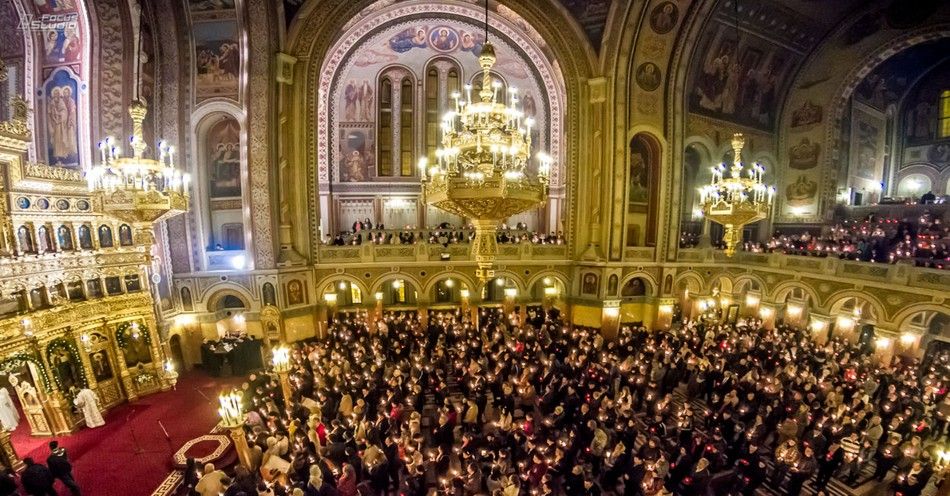
Orthodox Easter, celebrated by both Russians and Ukrainians, is a sacred time that signifies resurrection, forgiveness, and spiritual cleansing. Putin's call for a ceasefire, framed in the language of faith and peace, is symbolic. On the surface, it appears to be a humanitarian gesture. Beneath that veneer, however, lies a far more complex and perhaps calculated motive.
Orthodox Easter holds profound significance for both Russian and Ukrainian societies. It is a moment for reflection, familial gatherings, and religious observance. By anchoring the proposed truce to this holy period, Putin taps into a deeply emotional and spiritual connection among people who, despite the war, share centuries of cultural and religious history.
This emotional appeal is powerful. A ceasefire during Easter evokes the image of a leader showing restraint, sensitivity, and even compassion. For a Russian president accused internationally of war crimes and indiscriminate attacks, the optics of piety offer a stark contrast to his battlefield persona. It positions him not just as a political leader, but as a moral shepherd protecting the soul of the nation.
Yet, optics alone don’t change reality.
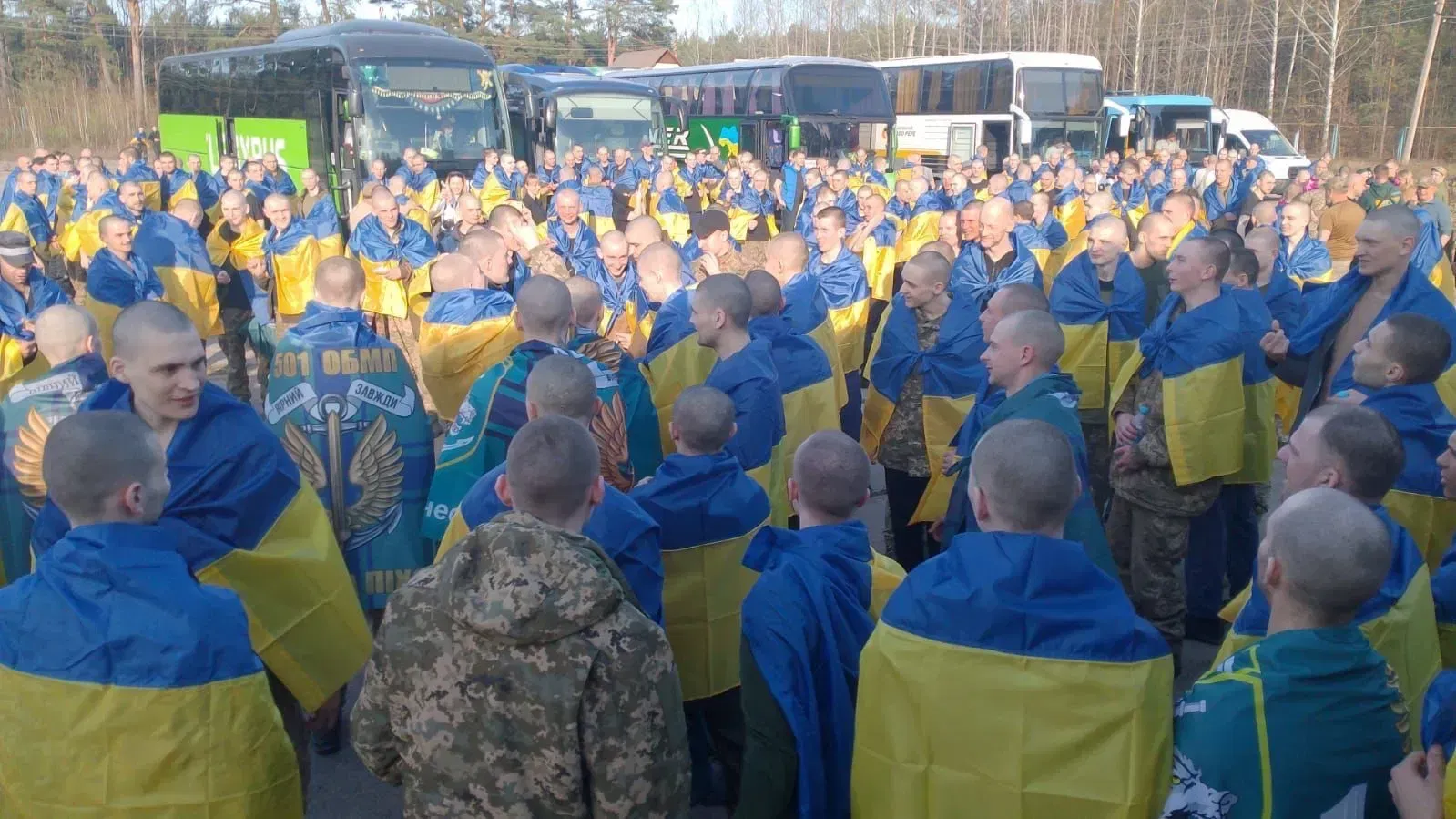
For Ukraine, this isn't the first time such a pause has been proposed. Humanitarian corridors, peace talks, and ceasefire arrangements have been offered before—only to be broken, manipulated, or used for Russian advantage. Each time, hopes were raised and then dashed by renewed shelling or sudden troop advancements.
President Volodymyr Zelenskyy, aware of this history, has not outright rejected the Easter truce. Instead, he has approached it with cold, strategic skepticism. His administration warns that a temporary halt in fighting could be a disguise for military regrouping, supply line restoration, or intelligence repositioning.
Ukrainian forces remain on high alert, treating the proposal not as a relief, but as a potential trap. After all, the Kremlin has shown it knows how to weaponize trust.
From a strategic viewpoint, the proposed truce may offer multiple benefits for Moscow beyond battlefield considerations. Russian forces have been stretched thin in key regions such as Donetsk, Zaporizhzhia, and the Kherson front. A temporary lull could allow regrouping, rotation of troops, and critical logistical repairs. Moreover, there’s a growing international fatigue with the war, and Russia’s economic and diplomatic standing continues to suffer under layers of sanctions. A symbolic act of “peace” timed with a religious holiday gives Putin the ability to soften his image globally without conceding any real ground.
Domestically, the proposal serves a different function. It sends a message to Russian citizens that their president is in tune with the country’s religious traditions and moral compass. He appears not just as a warrior but as a protector of Christian values, a deeply resonant identity for many in Russia’s conservative, Orthodox-majority society.
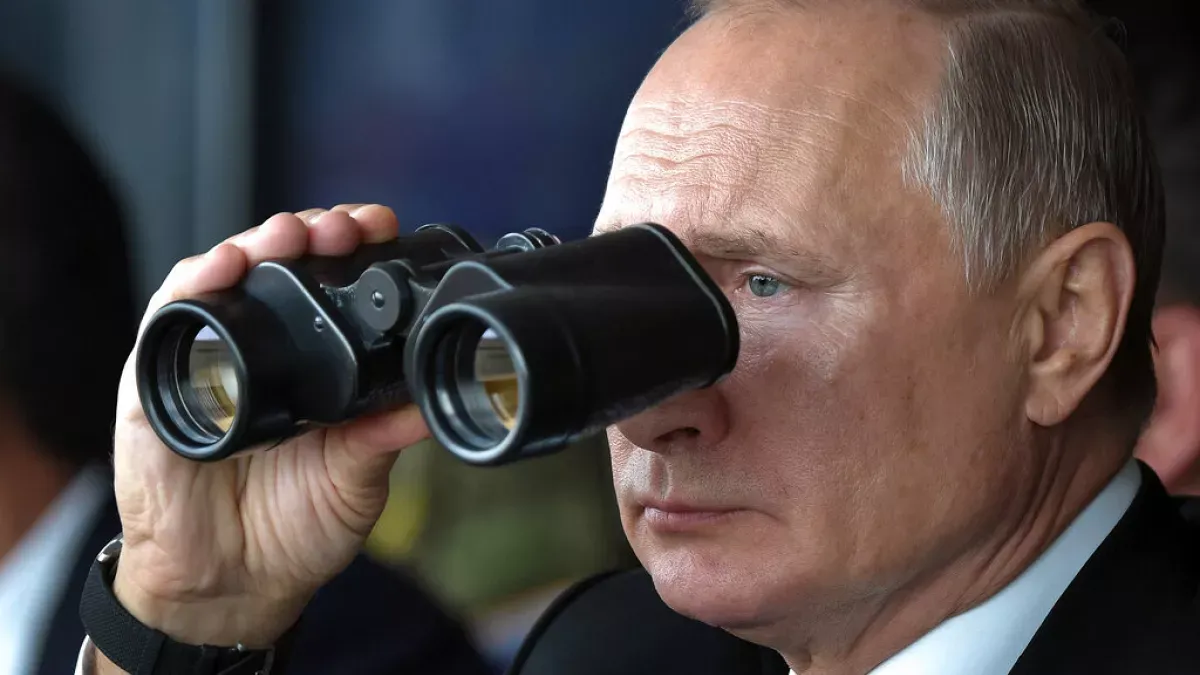
International reaction has been measured. Western officials and NATO leaders have acknowledged the call for a ceasefire but remain unconvinced of its sincerity. The concern is that this could serve as a smokescreen for larger, more dangerous movements—an illusion of peace while war strategies evolve behind the scenes.
Humanitarian organizations, while naturally supportive of any move that reduces suffering, also carry a heavy sense of caution. Aid workers remember previous ceasefires that were broken within hours, putting both civilians and staff in jeopardy. For them, even temporary calm is useful, but they’re not letting their guard down.
This wouldn’t be the first time Russia has used religious holidays or symbolic dates to propose a ceasefire. In previous years, similar gestures around Orthodox Christmas or national anniversaries have been made—often as part of diplomatic theater rather than a genuine effort to end hostilities.
These “pauses” often come when Russian forces are under pressure, whether from battlefield losses or international scrutiny. They rarely result in meaningful de-escalation. More often, they allow time to regroup, redeploy, or reframe the public narrative in a way that paints Ukraine as uncooperative if it refuses the offer.
The Easter truce fits that mold, casting doubt on the idea that this is a meaningful step toward ending the war.
If the truce does take place, its success will depend on both sides adhering strictly to its terms, and on international monitors being able to verify compliance. But even in the best-case scenario, a two-day ceasefire will not change the fundamentals of a war driven by occupation, identity, and geopolitical ambitions.
For true peace, far more is needed: withdrawal of troops, reparations, recognition of sovereignty, and a genuine diplomatic roadmap. Until then, these symbolic pauses will continue to feel like performances—acts in a war that remains tragically real for those living through it.
As the Easter bells toll, Ukraine remains vigilant. And the world watches closely, wondering whether this is a moment of hope or just another illusion cloaked in holy robes.






0 comments