
Your Read is on the Way
Every Story Matters
Every Story Matters
The Hydropower Boom in Africa: A Green Energy Revolution Africa is tapping into its immense hydropower potential, ushering in an era of renewable energy. With monumental projects like Ethiopia’s Grand Ethiopian Renaissance Dam (GERD) and the Inga Dams in the Democratic Republic of Congo, the continent is gearing up to address its energy demands sustainably while driving economic growth.
Northern Kenya is a region rich in resources, cultural diversity, and strategic trade potential, yet it remains underutilized in the national development agenda.

Can AI Help cure HIV AIDS in 2025

Why Ruiru is Almost Dominating Thika in 2025

Mathare Exposed! Discover Mathare-Nairobi through an immersive ground and aerial Tour- HD

Bullet Bras Evolution || Where did Bullet Bras go to?
As the Iran–Israel conflict entered its fourth day, Iran launched a fresh wave of missile attacks aimed at Israeli cities, dramatically escalating an already volatile confrontation. The attacks began in the early hours of Monday, with dozens of ballistic missiles fired toward central and northern Israel. Major population centers including Tel Aviv and Haifa were hit, causing fatalities and damage to civilian and strategic infrastructure.
The Iranian Revolutionary Guard claimed responsibility for the offensive, marking it as a retaliation for Israeli strikes on Iranian assets over the weekend. The scale and precision of the attack signal a notable escalation in Iran’s engagement strategy, aiming to demonstrate reach and resolve.
The renewed missile strikes have taken a severe toll. At least eight Israeli civilians are confirmed dead, with many others wounded. Residential buildings, utility stations, and parts of Tel Aviv’s northern infrastructure sustained heavy damage. In Haifa, several missiles struck near a major power facility, igniting fires and forcing temporary shutdowns.
The Israeli public remains on high alert, with air-raid sirens and emergency protocols activated across multiple cities. Schools, public transit, and key government operations have either been suspended or moved to emergency status.
In immediate retaliation, the Israeli Defense Forces launched a series of targeted airstrikes on Iranian territory. Military installations, missile launch pads, and suspected command centers near Tehran and other strategic Iranian locations were hit. Reports indicate that key military figures within the Iranian chain of command may have been casualties in these strikes.
Israel has framed its response as a necessary defensive measure aimed at neutralizing the infrastructure behind Iran’s missile capabilities. It has also warned that further provocations would trigger wider and more destructive responses.
While both nations are engaged in military operations, civilian populations are increasingly caught in the crossfire. Iranian sources have reported significant casualties from Israeli airstrikes, including women and children. Hospitals in affected regions are overwhelmed, and concerns over medical supply shortages are growing.
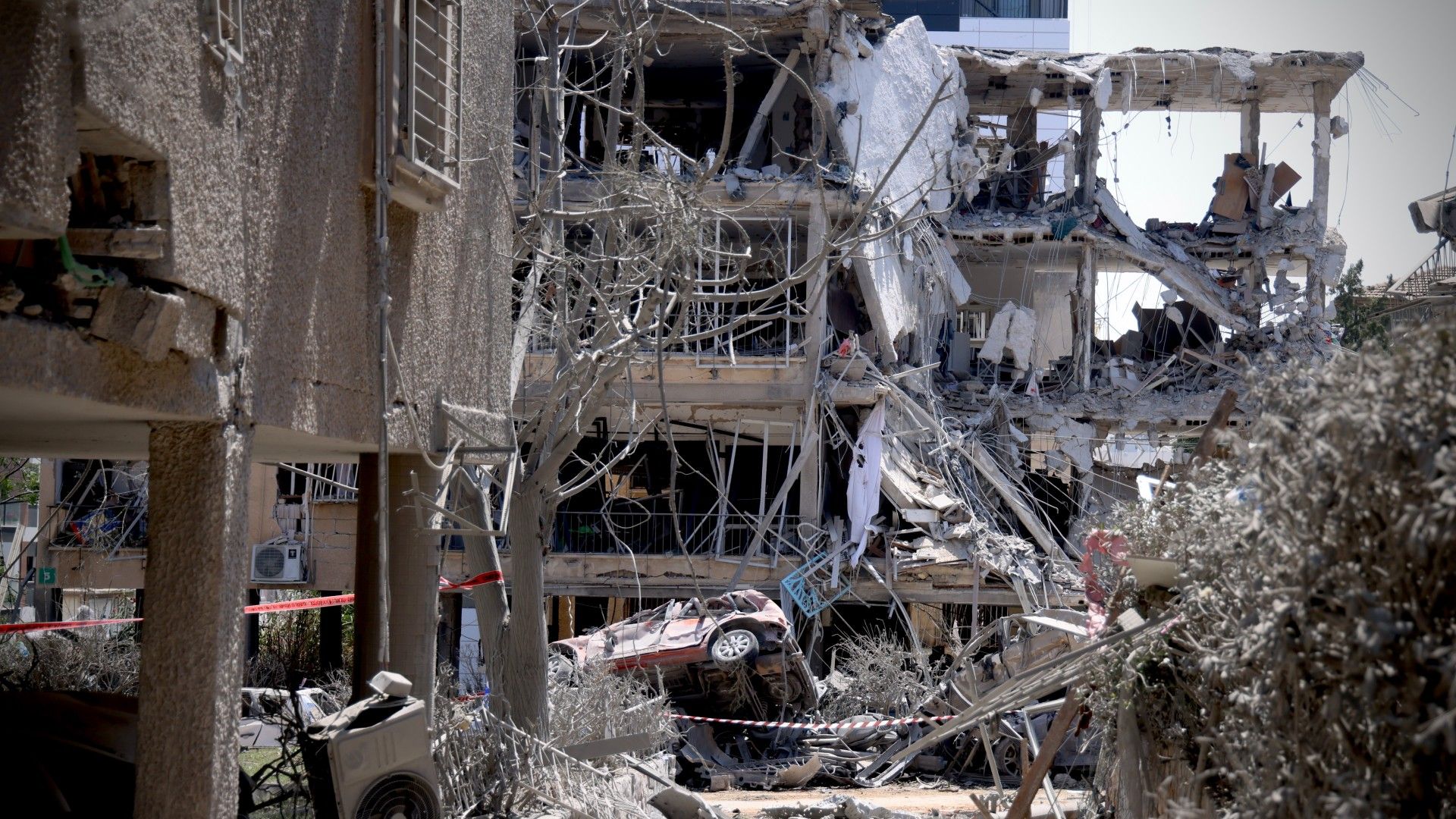
The humanitarian situation, particularly in densely populated Iranian urban centers, is becoming more fragile. Aid agencies and international observers are preparing for a broader crisis should the conflict expand into neighboring countries.
The conflict's intensification has alarmed global powers and regional actors alike. Western and Eastern nations have issued warnings, urging restraint and calling for diplomatic dialogue. The G7 summit, currently underway, has placed the Iran–Israel conflict at the top of its emergency agenda. Several countries have activated contingency plans to protect their embassies and citizens in the region.
The risk of further escalation, particularly involving non-state actors or allied militias in Lebanon, Syria, or Iraq, is raising fears of a multi-front war. Meanwhile, oil markets and global shipping lanes are bracing for disruptions if the conflict affects the Strait of Hormuz or other critical transit routes.
With both Iran and Israel refusing to back down, the coming days will be critical in determining whether this conflict remains bilateral or spills into a broader regional confrontation. Both countries have the capability and political will to sustain extended conflict, but international pressure for de-escalation is intensifying.
Diplomatic backchannels, especially those involving mediators like Qatar, Turkey, and the United States, are reportedly active. However, the effectiveness of these efforts remains uncertain as each side signals its readiness for further escalation.






0 comments