
Your Read is on the Way
Every Story Matters
Every Story Matters
The Hydropower Boom in Africa: A Green Energy Revolution Africa is tapping into its immense hydropower potential, ushering in an era of renewable energy. With monumental projects like Ethiopia’s Grand Ethiopian Renaissance Dam (GERD) and the Inga Dams in the Democratic Republic of Congo, the continent is gearing up to address its energy demands sustainably while driving economic growth.
Northern Kenya is a region rich in resources, cultural diversity, and strategic trade potential, yet it remains underutilized in the national development agenda.
Can AI Help cure HIV AIDS in 2025

Why Ruiru is Almost Dominating Thika in 2025

Mathare Exposed! Discover Mathare-Nairobi through an immersive ground and aerial Tour- HD

Bullet Bras Evolution || Where did Bullet Bras go to?
Pope Francis, born Jorge Mario Bergoglio in Buenos Aires, Argentina, on December 17, 1936, led a life deeply rooted in faith, service, and a commitment to social justice. His upbringing in a working-class family shaped his compassionate worldview, leading him to dedicate his life to the poor and marginalized. Before becoming pope, he had already made a name for himself as the Archbishop of Buenos Aires, where his pastoral care for the impoverished won him respect not only in Argentina but globally.
In March 2013, he made history by becoming the first pope from the Americas, the first Jesuit pope, and the first pope to adopt the name "Francis," a tribute to Saint Francis of Assisi’s humility and love for the poor. Throughout his papacy, Pope Francis remained focused on reforming the Church to become more inclusive, compassionate, and dedicated to social justice.
His papacy was marked by significant shifts in the Vatican’s policies, including efforts to address the global sexual abuse crisis, calls for climate action, and reforms in the Vatican’s financial dealings. His messages consistently emphasized mercy, peace, and dialogue, urging the Church to focus on the poor and marginalized while fostering greater inclusivity for traditionally excluded groups.
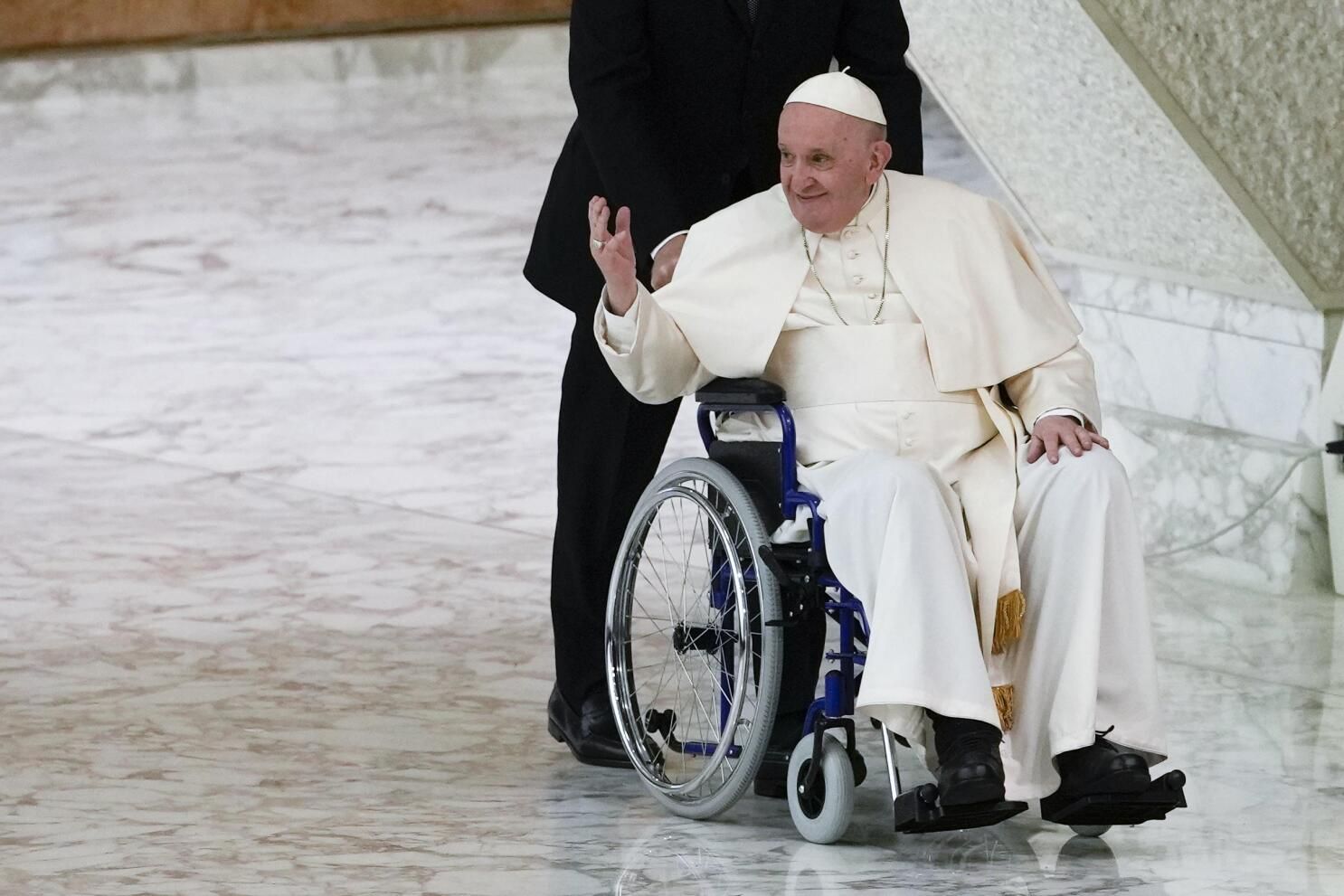
In the years leading up to his death, Pope Francis faced several health challenges, including chronic knee pain and a series of medical procedures. While these health concerns did not prevent him from performing his duties as pope, they limited his mobility and required him to reduce his public appearances. Despite his physical struggles, Pope Francis continued to lead with unwavering commitment, delivering speeches, sending messages of hope, and engaging with the faithful through virtual platforms.
In his final months, Pope Francis was increasingly unable to engage in the regular public events he once did, but he remained a central figure in the life of the Church, offering guidance and encouragement during the many crises that beset the world.
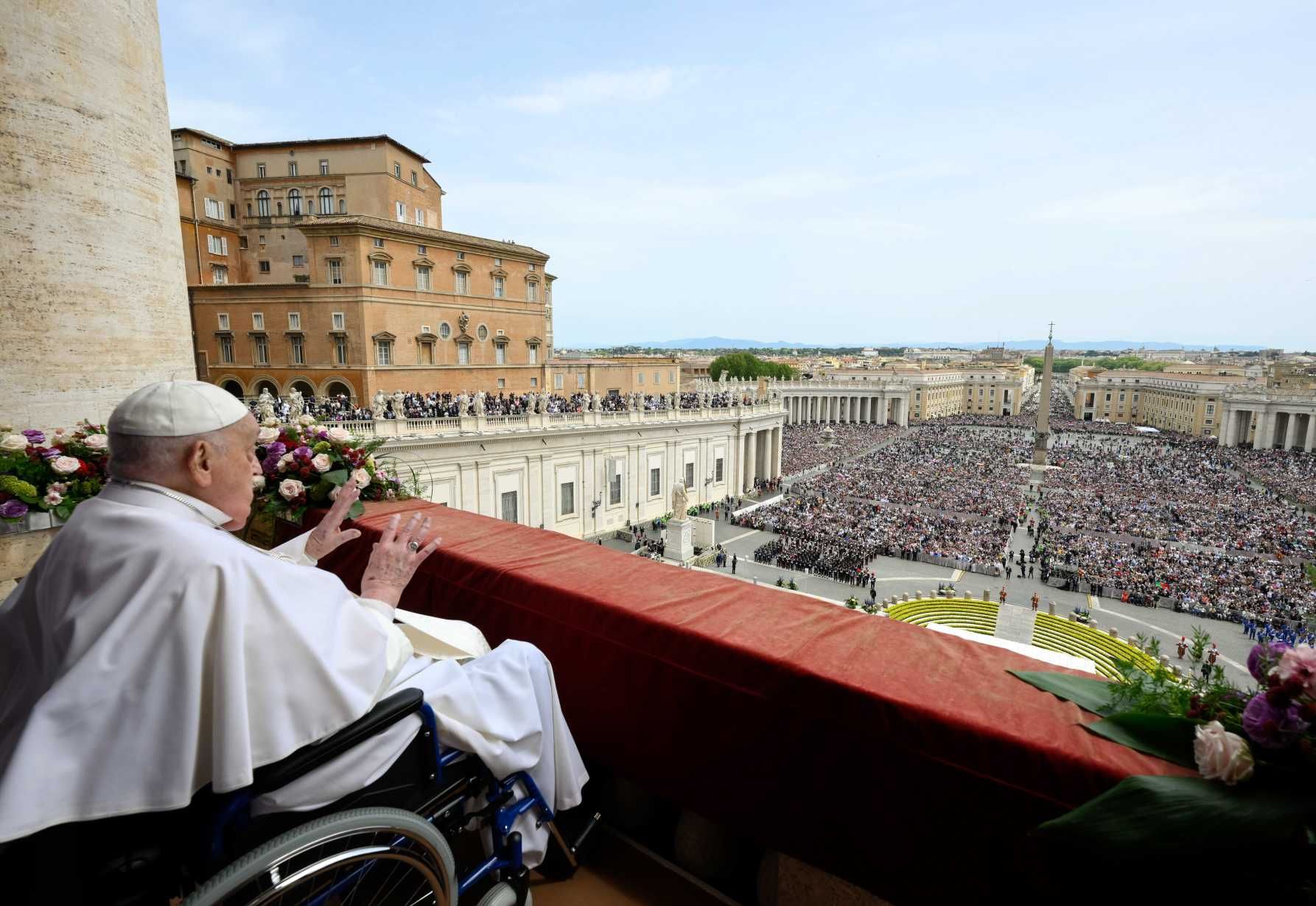
Pope Francis died on Easter Monday, 2025, at the age of 88, leaving a deep sense of loss for millions across the globe. His death was anticipated due to his failing health, but it still came as a shock to many, especially given the timing of his passing on such a significant day in the Christian calendar. Easter Monday, a day symbolic of resurrection and hope, now marks the day that the world bid farewell to a pope who embodied those very ideals.
Reports from the Vatican confirmed that Pope Francis passed away peacefully in his residence at the Domus Sanctae Marthae, the guesthouse where he had lived since the start of his papacy. His final days were spent surrounded by close family members, trusted Vatican officials, and fellow clergy, who were present at his side as he prepared for his final journey. Despite his frailty, Pope Francis’ final moments were said to have been calm, with his thoughts focused on the faithful and the work he had done throughout his life.
In the days leading up to his death, Pope Francis made a last public appearance at a small gathering of clergy, where he delivered a reflective speech. It was clear that, even in his final moments, he was grateful for the life he had led and the profound impact he had on the Church and the world. His words were a reminder to all present of the importance of faith, mercy, and the pursuit of justice.
While Pope Francis’ declining health had made it impossible for him to travel widely in recent years, his voice and influence remained strong. He continued to offer prayers, extend blessings, and encourage the faithful to remain dedicated to the principles that had defined his papacy.
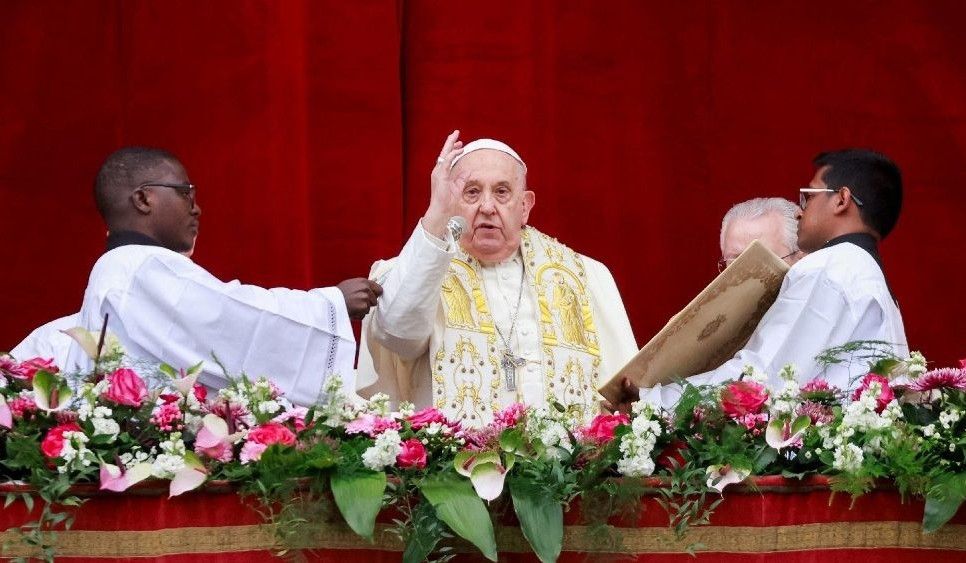
As news of Pope Francis' death spread, the world responded with an outpouring of grief and reflection. Political leaders, religious figures, and ordinary people alike expressed their sorrow, recognizing the pope's profound influence on global issues. From his tireless advocacy for the poor to his diplomatic efforts that brought peace to conflict-ridden regions, Pope Francis’ death marks the end of a chapter in world history.
Tributes poured in from across the globe, with many highlighting his leadership in addressing critical issues such as climate change, poverty, and the rights of refugees. His work on behalf of the most vulnerable communities will be one of the most enduring aspects of his papacy, inspiring countless individuals and groups to follow his example of compassion and action.
The death of Pope Francis leaves the Catholic Church at a pivotal moment. His papacy was transformative, guiding the Church through some of its most challenging periods and introducing reforms that will shape its future. His emphasis on mercy, reform, and social justice brought the Church closer to modern concerns, though it was often met with resistance from traditionalists.
As the world mourns his passing, attention now turns to the future of the Church. Questions abound regarding the direction his successor will take, and whether they will continue his calls for reform or revert to a more traditionalist approach. Many within the Church hope that his legacy of inclusivity, mercy, and social action will continue to guide the Catholic community as it confronts the challenges of the 21st century.
In the coming weeks, the Vatican will begin the process of selecting a new pope. While it is uncertain who will succeed Pope Francis, the Church’s focus on the principles of mercy, justice, and inclusivity—values that he championed—will undoubtedly remain central to the conversation.
Pope Francis' death may have closed one chapter of the Church’s history, but his legacy will endure for generations to come. He will be remembered not just for his reforms and diplomatic efforts but also for his ability to connect with people of all backgrounds and faiths. His humility, compassion, and unyielding focus on justice created a pope whose influence reached far beyond the Vatican walls.
His death on Easter Monday serves as a reminder of the central themes of his papacy: resurrection, hope, and the enduring power of love and mercy. As we look back on his life and work, we are reminded of his core message: that faith should be a force for transformation in the world, not just a means of personal salvation.
The legacy of Pope Francis is one of profound compassion, unrelenting reform, and an unshakeable commitment to social justice. He leaves behind a Church that is more attuned to the struggles of the poor, more willing to confront the challenges of the modern world, and more inclusive of people from all walks of life. His vision for a better world, grounded in faith and compassion, will continue to inspire and guide those who carry his work forward.
Read this related article: The Pope Who Rewired the Catholic Church for a New World






0 comments