
Your Read is on the Way
Every Story Matters
Every Story Matters
The Hydropower Boom in Africa: A Green Energy Revolution Africa is tapping into its immense hydropower potential, ushering in an era of renewable energy. With monumental projects like Ethiopia’s Grand Ethiopian Renaissance Dam (GERD) and the Inga Dams in the Democratic Republic of Congo, the continent is gearing up to address its energy demands sustainably while driving economic growth.
Northern Kenya is a region rich in resources, cultural diversity, and strategic trade potential, yet it remains underutilized in the national development agenda.

Can AI Help cure HIV AIDS in 2025

Why Ruiru is Almost Dominating Thika in 2025

Mathare Exposed! Discover Mathare-Nairobi through an immersive ground and aerial Tour- HD

Bullet Bras Evolution || Where did Bullet Bras go to?
When Donald Trump reclaimed the White House in a historic political comeback, the expectations—whether apocalyptic or redemptive—were sky-high. But as the dust of inauguration settled and Trump marked his first 100 days in office, one truth became unshakable: America is not being governed so much as it is being performed.
With an approval rating stuck at 44%, Trump has made history—not as the most beloved president, but as the first post-World War II leader to dive below majority support this early into a term. Yet this unpopularity masks a deeper phenomenon: Trump is redefining what it means to lead, not through consensus or progress, but through polarization, spectacle, and the fervent worship of a loyal base that refuses to flinch.
Trump's return to power has baffled pundits who rely on traditional metrics of political capital. Normally, a president dipping below 50% approval in the early months is seen as floundering. But Trump’s presidency doesn’t play by those rules.
His approval numbers remain relatively low, but they barely dent his influence. Why? Because Trump's political strength is no longer built on popularity. It's built on tribal loyalty. To millions of Americans, he isn’t a politician—he’s a symbol. His every utterance, rally, and media clash isn’t a misstep but a message: that he’s still the outsider fighting for the "forgotten" American.
The Democratic Party, meanwhile, seems paralyzed—caught in a quagmire of infighting and generational disconnect. They deride Trump’s early term as a “colossal failure,” yet fail to capitalize on discontent or present a vision compelling enough to rally a fractured electorate.
In a recent rally, Trump sidestepped complex policy updates for a crowd-pleasing segment where he asked supporters to pick their favorite derogatory nickname for Joe Biden. The moment was juvenile—and yet, deeply calculated. Trump doesn’t govern through legislation alone; he governs through narrative.
And the narrative is always the same: him against the system.
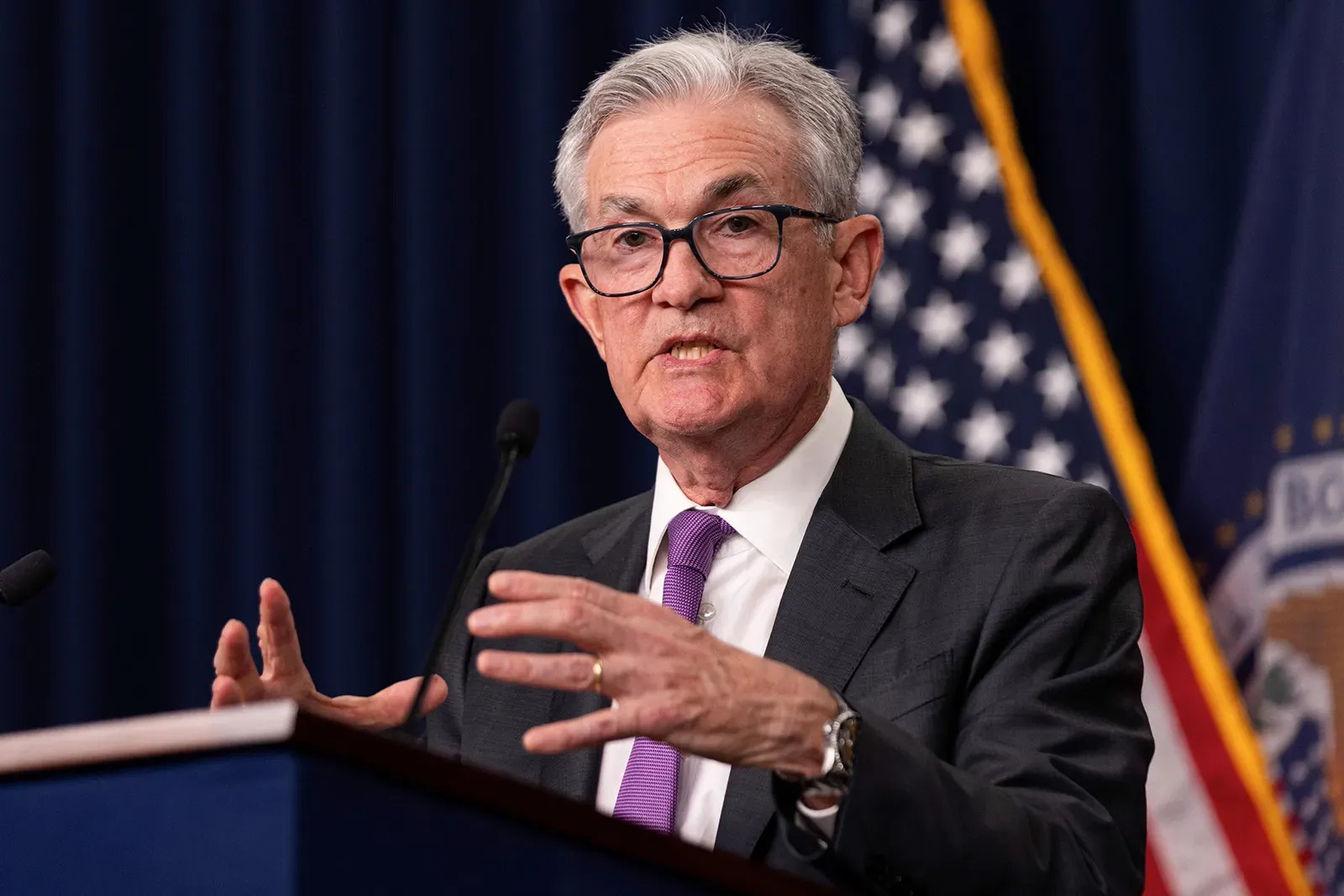
He took jabs at Federal Reserve Chairman Jerome Powell, accused Biden of mental decline, boasted of being the “real” 2020 winner, and even screened a dramatic video of immigrants being deported to a prison complex in El Salvador. It was more akin to a campaign show than a presidential update.
This style, which critics call unpresidential, is precisely what endears him to supporters. To them, this is authenticity. In an age of carefully managed political personas, Trump’s rough edges signal realness.
Despite his claims of economic recovery, reality presents a more complicated picture. Trump boasts that encounters at the southern border have dropped from 140,000 in March 2024 to just over 7,000 now, and that over 65,000 immigrants have been deported. While the border numbers have fallen dramatically, the pace of deportations is actually slower than under Biden’s last fiscal year, when over 270,000 were deported.
He also claimed that egg prices dropped 87%, a number flatly contradicted by Department of Labor data. Inflation and mortgage rates have slightly eased, yes—but at what cost?
Trump’s chaotic reimposition of tariffs—what some call “economic whiplash”—has sparked backlash from small businesses and global markets. Carpentry shop owner Joe DeMonaco in Michigan explains the pain: “Tariffs might sound tough, but they’re squeezing the hell out of us. Prices are up, clients are backing out, and we’re absorbing the hit.”
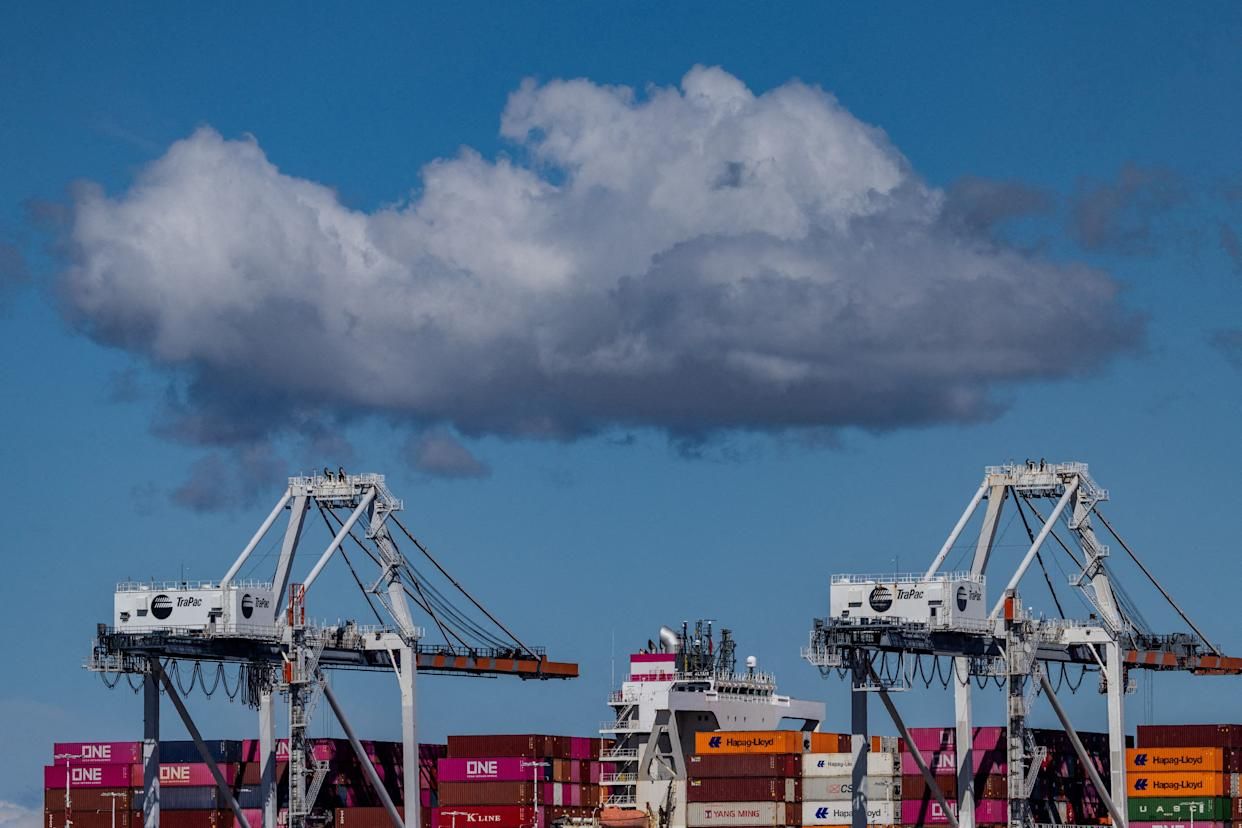
Consumer sentiment has declined. The stock market has dropped nearly 9% since Inauguration Day. And while inflation is down, unemployment has ticked up, and price volatility makes long-term business planning a nightmare.
Yet, for many Trump supporters, these issues are secondary to the sense of cultural victory they feel with him in power.
Teresa Breckinridge, who runs a classic Southern diner in Atlanta, exemplifies this mindset: “He’s fighting for us. That’s all I care about. Not everything’s perfect, but he’s doing something—and he’s telling us every day what he’s doing.”
This kind of loyalty isn’t transactional. It’s personal, almost religious. Trump's supporters don’t expect perfection—they expect perseverance. They measure his success not in GDP or legislative wins, but in how often he "owns the libs," how fiercely he criticizes the media, and how loudly he claims to be a victim of injustice.
This unwavering support base gives Trump the freedom to pursue deeply controversial policies—from attacking birthright citizenship to reshaping trade and immigration with executive orders—without fearing the usual political consequences.
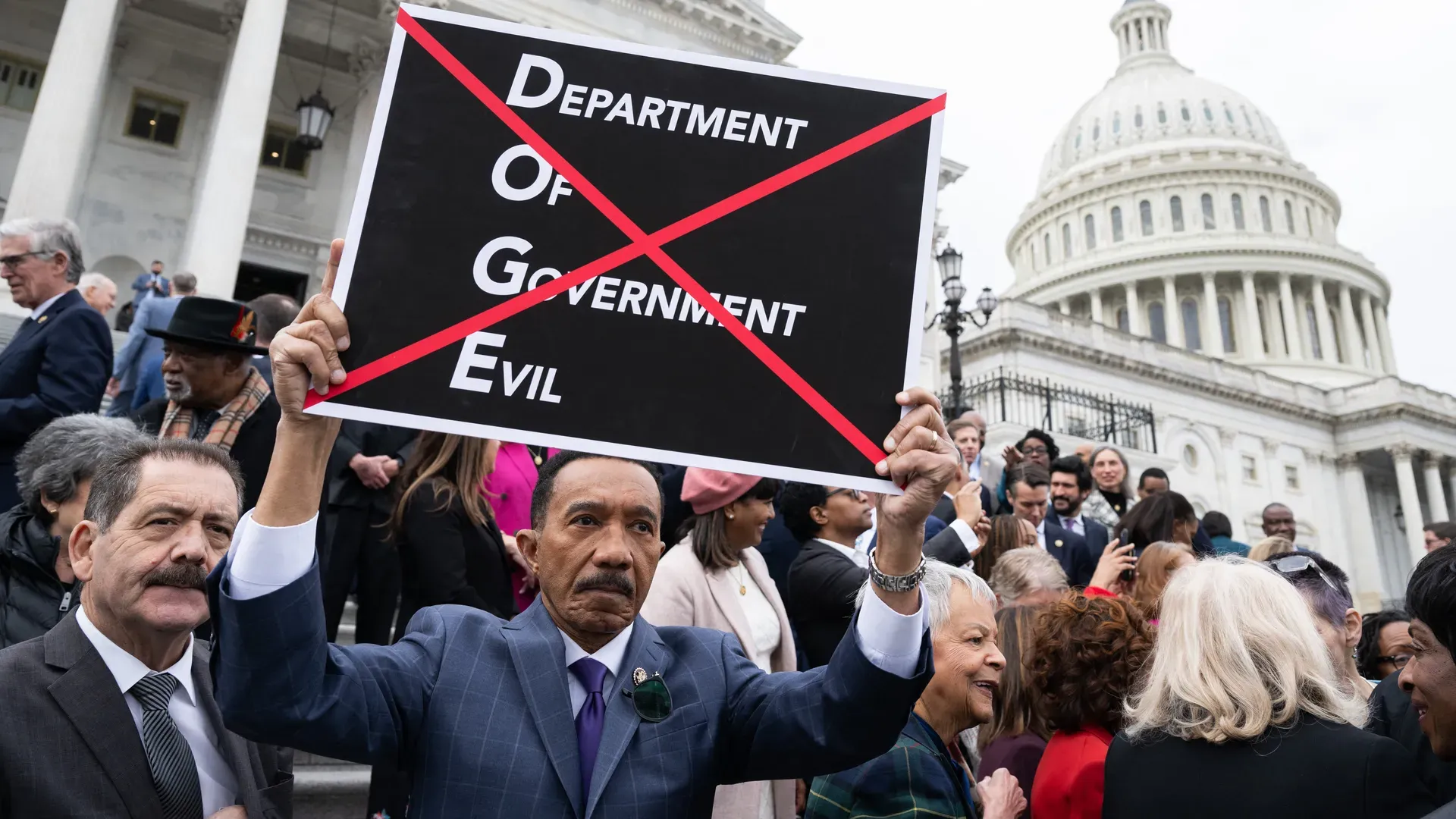
The Democratic National Committee’s criticism of Trump’s first 100 days as a “colossal failure” may resonate with the liberal base, but it does little to convert the undecided. Without a clear alternative vision, the Democrats risk turning into a reactive party—forever defining themselves in contrast to Trump, rather than by a bold, forward-looking agenda of their own.
Americans disillusioned with Trumpism aren’t necessarily rallying behind the Democrats; many are tuning out entirely, contributing to a growing political apathy that may depress turnout and undermine opposition efforts in 2026 and beyond.
Trump’s second term is a mirror held up to America—one that reflects not a unified republic, but a society splintered into tribes of belief. In this new reality, facts are optional, economic pain is political theater, and the currency of leadership is no longer competence, but loyalty.
America is not falling apart—it’s realigning. Not along traditional party lines, but along lines of identity, allegiance, and distrust. And Donald Trump, master of the chaos, is riding that wave like no one else.





0 comments