
Your Read is on the Way
Every Story Matters
Every Story Matters
The Hydropower Boom in Africa: A Green Energy Revolution Africa is tapping into its immense hydropower potential, ushering in an era of renewable energy. With monumental projects like Ethiopia’s Grand Ethiopian Renaissance Dam (GERD) and the Inga Dams in the Democratic Republic of Congo, the continent is gearing up to address its energy demands sustainably while driving economic growth.
Northern Kenya is a region rich in resources, cultural diversity, and strategic trade potential, yet it remains underutilized in the national development agenda.

Can AI Help cure HIV AIDS in 2025
Why Ruiru is Almost Dominating Thika in 2025

Mathare Exposed! Discover Mathare-Nairobi through an immersive ground and aerial Tour- HD

Bullet Bras Evolution || Where did Bullet Bras go to?
The conflict involving Iran, the United States, and Israel has now entered its 24th day, with no visible path toward de-escalation. What initially appeared to be a limited military confrontation has evolved into a sustained and increasingly complex conflict with implications that extend far beyond the immediate battleground.
As strikes continue and rhetoric hardens, the situation is shifting from a contained military campaign into a broader regional crisis that threatens both geopolitical stability and the global economy.
On the ground and in the air, operations remain active. US and Israeli forces continue to conduct coordinated strikes targeting strategic sites within Iran, including infrastructure believed to support military capabilities. These operations suggest a longer-term objective beyond immediate retaliation, possibly aimed at weakening Iran’s strategic position.
Iran, for its part, has not remained passive. It has maintained its capacity to respond through missile systems and regional networks, signaling that it is prepared for a prolonged confrontation. The ongoing exchange has created a cycle in which each round of strikes invites further retaliation, making de-escalation increasingly difficult.
The Strait of Hormuz has emerged as one of the most dangerous flashpoints in the conflict. This narrow passage is critical to global oil supply, and any disruption has immediate worldwide consequences.
Recent warnings and strategic positioning around the strait have heightened fears that it could become a direct battlefield. Even the threat of closure or restricted access has already caused anxiety in global markets, as countries dependent on energy imports watch the situation closely.
The tension surrounding this corridor highlights how the conflict is no longer just regional but deeply interconnected with global economic stability.
Iran has issued increasingly strong warnings, indicating that further escalation could trigger responses beyond its borders. These warnings include potential targeting of energy infrastructure and key logistical routes across the Gulf region.
Such statements suggest that Iran may broaden the scope of the conflict if pressure continues to mount. This raises the risk of additional countries being drawn into the situation, either directly or indirectly, through alliances, security agreements, or geographic proximity.
The possibility of miscalculation is also growing. In a highly charged environment, even a single incident could rapidly escalate into a wider confrontation.
The impact of the war is no longer confined to Iran and Israel. The broader Middle East is experiencing heightened alert levels, increased military readiness, and growing uncertainty.
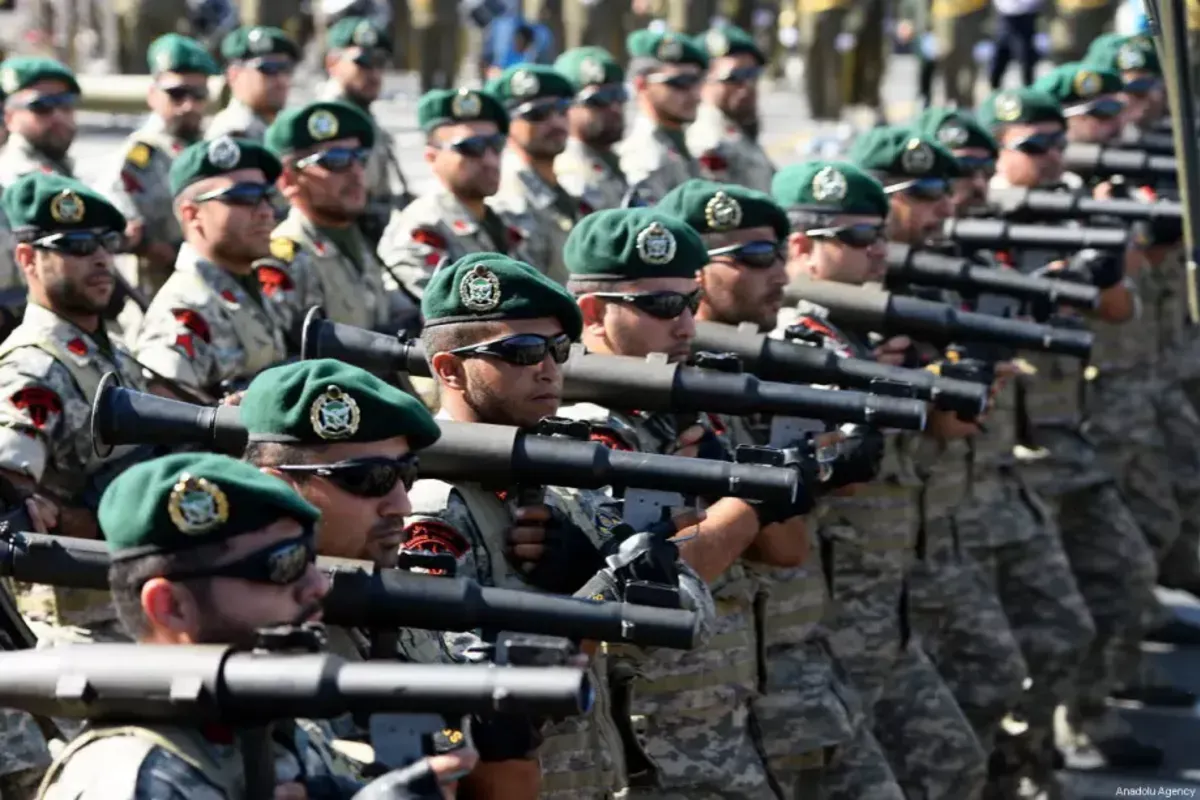
Neighboring countries are closely monitoring developments while preparing for potential spillover effects. These include threats to infrastructure, disruptions to trade routes, and the possibility of indirect involvement through allied groups or regional tensions.
This widening scope reinforces the idea that the conflict is gradually shifting from a bilateral confrontation into a multi-dimensional regional crisis.
Beyond the battlefield, the economic consequences are becoming more visible. Energy markets are reacting sharply to the uncertainty surrounding supply routes, particularly those linked to the Strait of Hormuz.
Rising oil prices, market volatility, and concerns about supply disruptions are placing pressure on economies worldwide. For countries heavily dependent on imported energy, the situation presents both immediate and long-term challenges.
The conflict is also affecting investor confidence, trade expectations, and overall global economic stability, showing how interconnected modern conflicts have become.
At day 24, one of the most concerning aspects of the war is the absence of a clear exit strategy. Neither side appears willing to step back, and each new development adds another layer of complexity.
Diplomatic efforts, if ongoing, remain largely overshadowed by military actions and public rhetoric. As a result, the conflict continues to deepen, with each passing day increasing the risk of further escalation.
The Iran war at day 24 reflects a situation that is intensifying rather than stabilizing. Continued military operations, rising tensions over critical global routes, and the growing risk of regional expansion all point to a conflict entering a more dangerous phase.
What happens next will depend not only on military decisions but also on whether diplomatic channels can regain influence before the situation moves beyond control.




0 comments