
Your Read is on the Way
Every Story Matters
Every Story Matters
The Hydropower Boom in Africa: A Green Energy Revolution Africa is tapping into its immense hydropower potential, ushering in an era of renewable energy. With monumental projects like Ethiopia’s Grand Ethiopian Renaissance Dam (GERD) and the Inga Dams in the Democratic Republic of Congo, the continent is gearing up to address its energy demands sustainably while driving economic growth.
Northern Kenya is a region rich in resources, cultural diversity, and strategic trade potential, yet it remains underutilized in the national development agenda.

Can AI Help cure HIV AIDS in 2025

Why Ruiru is Almost Dominating Thika in 2025

Mathare Exposed! Discover Mathare-Nairobi through an immersive ground and aerial Tour- HD

Bullet Bras Evolution || Where did Bullet Bras go to?
The war in Ukraine, now stretching into its third year, has evolved far beyond a regional conflict. What began as Russia's sweeping invasion of a sovereign neighbor has since turned into a relentless, bloody standoff that has upended global stability. Cities like Mariupol, Bakhmut, and Kherson have become synonymous with devastation. Families have been torn apart, homes turned to rubble, and lives shattered on both sides of the frontline. For Ukrainians, this isn’t just a war for territory—it’s a war for national identity, freedom, and existence. The Western world's support has been crucial, but even that lifeline seems threatened as political winds shift, particularly in the United States. In this fragile landscape, Zelensky’s urgency grows louder with each passing day.
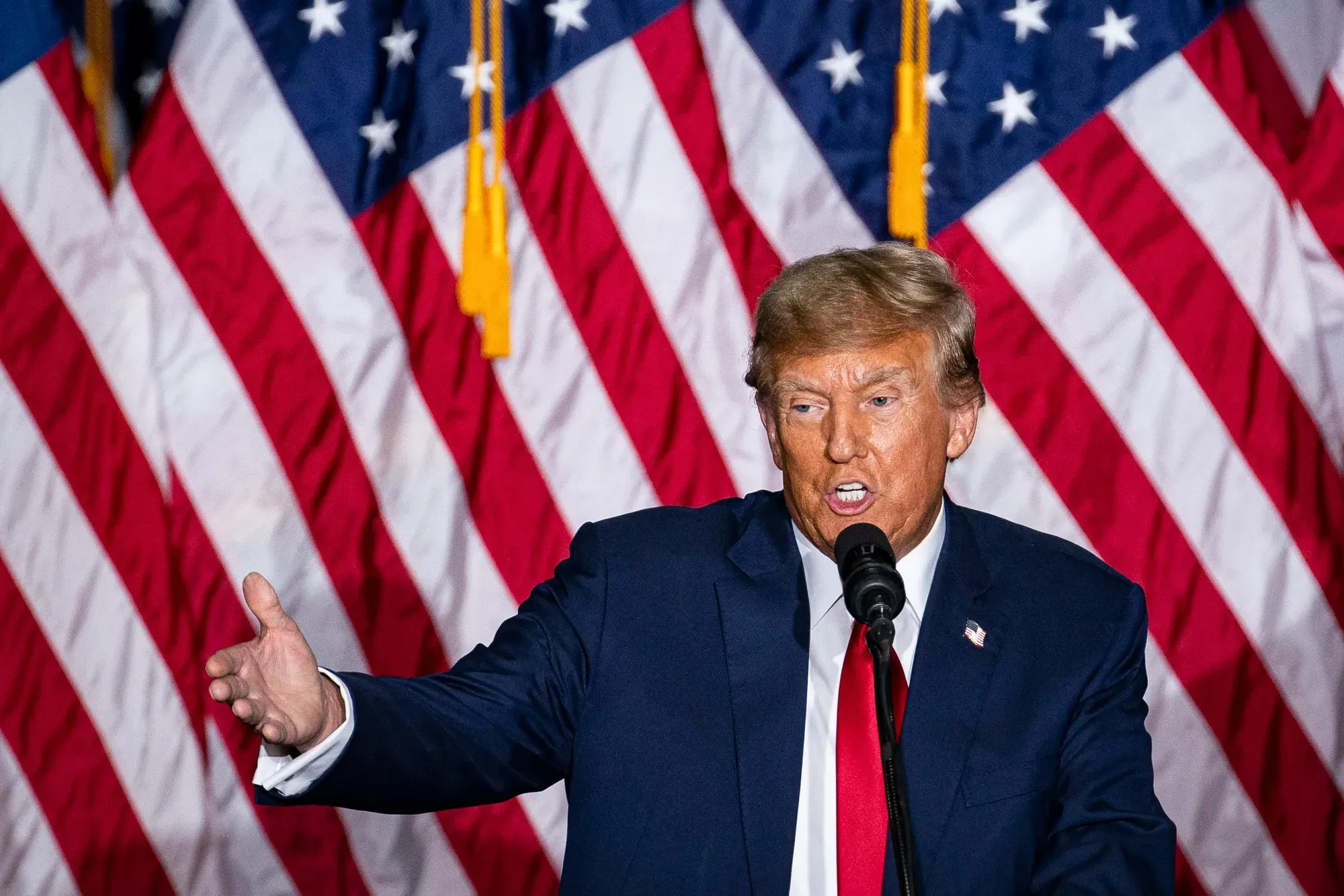
Former U.S. President Donald Trump has never shied away from bold, headline-grabbing promises. In typical Trumpian flair, he has repeatedly asserted that he could end the war in Ukraine "within 24 hours" if reelected. The claim, while lacking detail, resonates with a significant portion of the American electorate fatigued by foreign wars and ballooning aid packages. But for Kyiv, those words aren't just political soundbites—they're a potential preview of policy. Zelensky, knowing the stakes, has responded not with sarcasm or dismissiveness, but with a direct, unflinching invitation: come to Ukraine. Walk the bombed-out streets. Speak to the soldiers in the trenches. Witness the destruction and trauma firsthand. Before Trump dares to sketch out any peace plan, Zelensky insists he must first confront the human cost of the war.
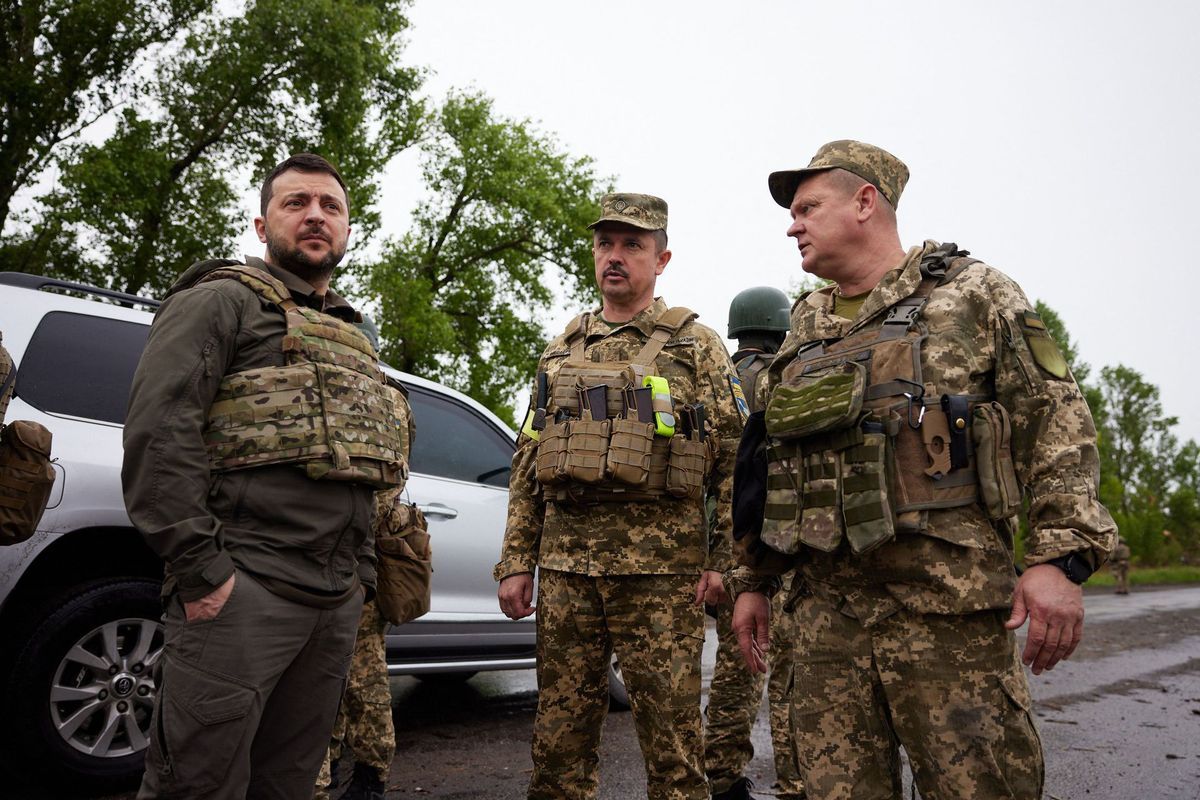
This is more than a PR stunt. Zelensky’s invitation is a complex, strategic maneuver aimed at holding Trump—and by extension, any would-be peacemaker—accountable for their promises. It’s easy to craft peace deals from afar, with maps and talking points, but impossible to understand their real consequences without seeing the cost of war up close. By calling Trump to the frontlines, Zelensky forces the conversation away from abstract strategy and into raw reality. This challenge also puts pressure on U.S. political discourse, where Ukraine is often reduced to a budgetary line item or a tool in partisan arguments. Zelensky is pushing back, insisting that any negotiation on Ukraine’s future must begin with a grounded understanding of the past and present.
At its core, this challenge also exposes a deeper, growing fear in Kyiv. As the 2024 U.S. presidential election looms, Ukraine is bracing for the possibility that American support could be radically diminished—or worse, abandoned. Trump’s previous foreign policy, marked by skepticism toward NATO and admiration for authoritarian figures, raised alarm bells throughout Europe. If he returns to office and decides Ukraine is no longer a priority, the consequences could be devastating. Zelensky’s invite is a preemptive strike—a way of demanding clarity and a moral reckoning before any shift in U.S. leadership occurs. The message is unmistakable: don’t talk about peace until you understand the war.
There’s a vast canyon between Trump’s grandstanding rhetoric and the war’s brutal complexity. Ukraine isn’t dealing with a typical diplomatic dispute. This is a full-scale invasion that has included war crimes, mass deportations, and the systematic erasure of Ukrainian culture in occupied territories. Any peace that leaves these aggressions unpunished, or allows Russia to retain captured land, would be seen as a betrayal not just by Ukrainians but by much of the democratic world. Trump’s idea of brokering a “quick deal” sounds good to voters tired of endless conflict, but to those living under the daily threat of missiles, it’s an insult to their suffering.
This war isn’t just about Ukraine. It’s about the precedent it sets for the world. If Russia’s aggression is rewarded with concessions, other authoritarian states may feel emboldened to pursue similar conquests. That’s why Zelensky’s appeal to Trump is also a message to the West at large: democracy must not flinch. As media coverage of the war fades and other global crises dominate headlines, Ukraine risks becoming a background issue. By inviting Trump to the frontlines, Zelensky hopes to keep the world’s attention focused on a conflict that still defines the global balance between autocracy and freedom.
Whether Trump accepts or declines is now a matter of political theater. If he refuses, critics will accuse him of being unwilling to confront the consequences of his bravado. If he accepts, it would be a rare moment of vulnerability—one where a man known for controlling the narrative might have to yield to the uncontrollable truth of war. Either outcome serves Zelensky’s purpose. The invitation has already reframed the conversation, turning Trump’s swagger into a test of character. Zelensky has effectively forced Trump into a checkmate moment where every move reveals something about his readiness—or lack thereof—to lead in a time of crisis.
Ultimately, Zelensky’s message is a clear-eyed rejection of shortcuts and slogans. This war will not be ended with handshakes and headlines. It will require painful choices, deep diplomacy, and long-term commitments. It will require standing firm against a regime that believes in conquest and domination. And it will require leaders who have the courage not just to make deals, but to make them in full view of those who will live or die by the consequences. By challenging Trump to walk the warzone, Zelensky has reminded the world that peace without justice isn’t peace at all—it’s surrender. And Ukraine, still standing through unimaginable loss, refuses to surrender.






0 comments