
Your Read is on the Way
Every Story Matters
Every Story Matters
The Hydropower Boom in Africa: A Green Energy Revolution Africa is tapping into its immense hydropower potential, ushering in an era of renewable energy. With monumental projects like Ethiopia’s Grand Ethiopian Renaissance Dam (GERD) and the Inga Dams in the Democratic Republic of Congo, the continent is gearing up to address its energy demands sustainably while driving economic growth.
Northern Kenya is a region rich in resources, cultural diversity, and strategic trade potential, yet it remains underutilized in the national development agenda.

Can AI Help cure HIV AIDS in 2025

Why Ruiru is Almost Dominating Thika in 2025

Mathare Exposed! Discover Mathare-Nairobi through an immersive ground and aerial Tour- HD

Bullet Bras Evolution || Where did Bullet Bras go to?
As Canadians head to the polls on April 28, 2025, the nation finds itself at a crossroads. The election, originally triggered by the resignation of Prime Minister Justin Trudeau and the subsequent leadership of Mark Carney, has evolved into a high-stakes referendum on Canada’s sovereignty. The backdrop? A growing sense of economic and political uncertainty due to U.S. President Donald Trump's provocative trade policies.
Carney’s Liberal Party is making its final pitch to voters, asking them to rally behind the idea of a strong, independent Canada in the face of Trump's aggressive rhetoric and actions. Throughout his tenure, Trump has taken an adversarial stance toward Canada, especially with the imposition of tariffs on Canadian goods. His statements suggesting that Canada could one day be absorbed into the United States have further polarized public opinion. What began as a trade dispute has now morphed into a wider debate about national identity.
Initially, the race appeared to favor the Conservative Party, led by Pierre Poilievre. With a focus on traditional values, fiscal conservatism, and a strong stance against what they view as overreach from Ottawa, the Conservatives had considerable momentum. However, the political climate has shifted in recent months, largely because of Trump’s actions. His constant jabs at Canada’s economy and sovereignty have pushed many voters to reconsider their allegiance.
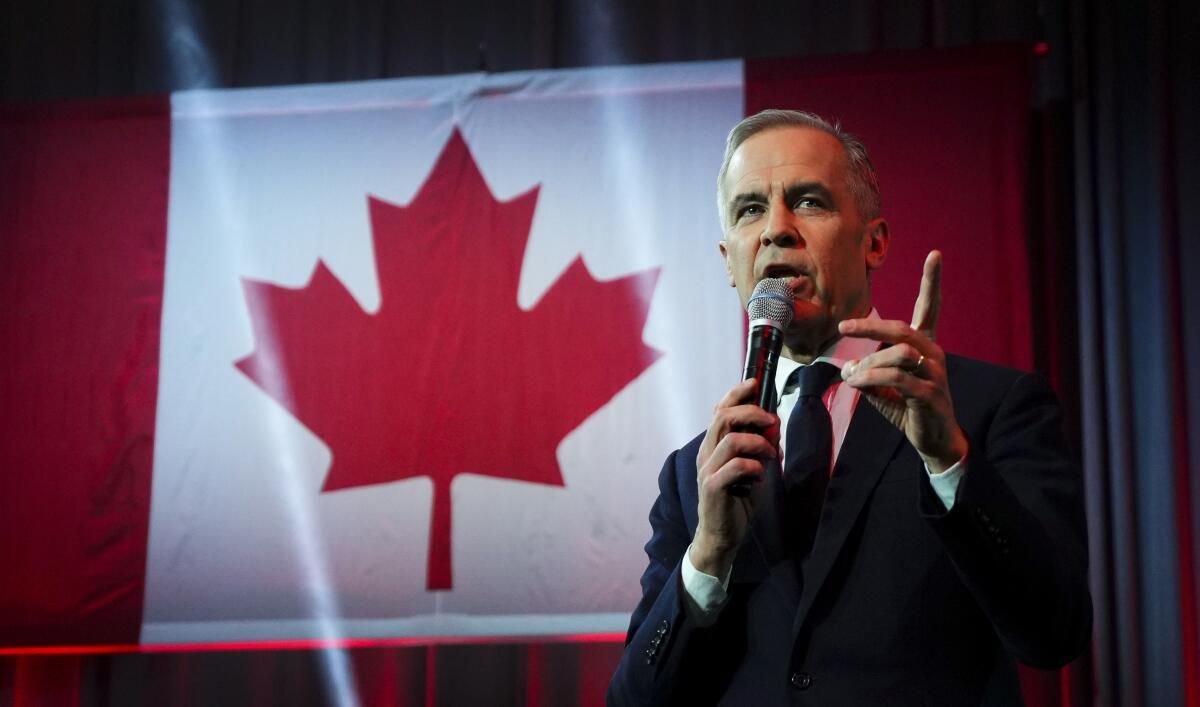
Prime Minister Mark Carney, who assumed office in the aftermath of Trudeau's resignation, has positioned himself as the defender of Canadian interests. With a background as a former central banker and a reputation for pragmatic leadership, Carney has managed to rally Canadians who feel threatened by Trump’s belligerence. His pitch focuses on strengthening trade relationships while asserting Canada’s autonomy. For many, Carney represents a steady hand who can steer the country through these turbulent times.
Despite the public’s growing unease with Trump’s policies, Poilievre and the Conservatives have maintained a vocal presence in the campaign, advocating for tougher trade policies and closer ties with the U.S. This position has resonated with a portion of the electorate who prioritize strong bilateral relations over the potential for long-term political friction.
One of the most interesting developments in this election is the shift in Quebec. Traditionally, the province has been a stronghold for the Bloc Québécois, with many voters supporting the party’s advocacy for provincial autonomy. However, the looming threat of U.S. economic aggression has made some Quebecois voters reconsider their positions. Many are now leaning towards Carney’s Liberals, prioritizing national unity and protection against outside economic pressure over the idea of greater provincial separation.
This shift is seen as a significant development in the election, as Quebec has historically been a key battleground for political parties. As a result, both the Liberals and Conservatives are actively courting Quebec’s voters, hoping to secure their support in what is shaping up to be a tight race.
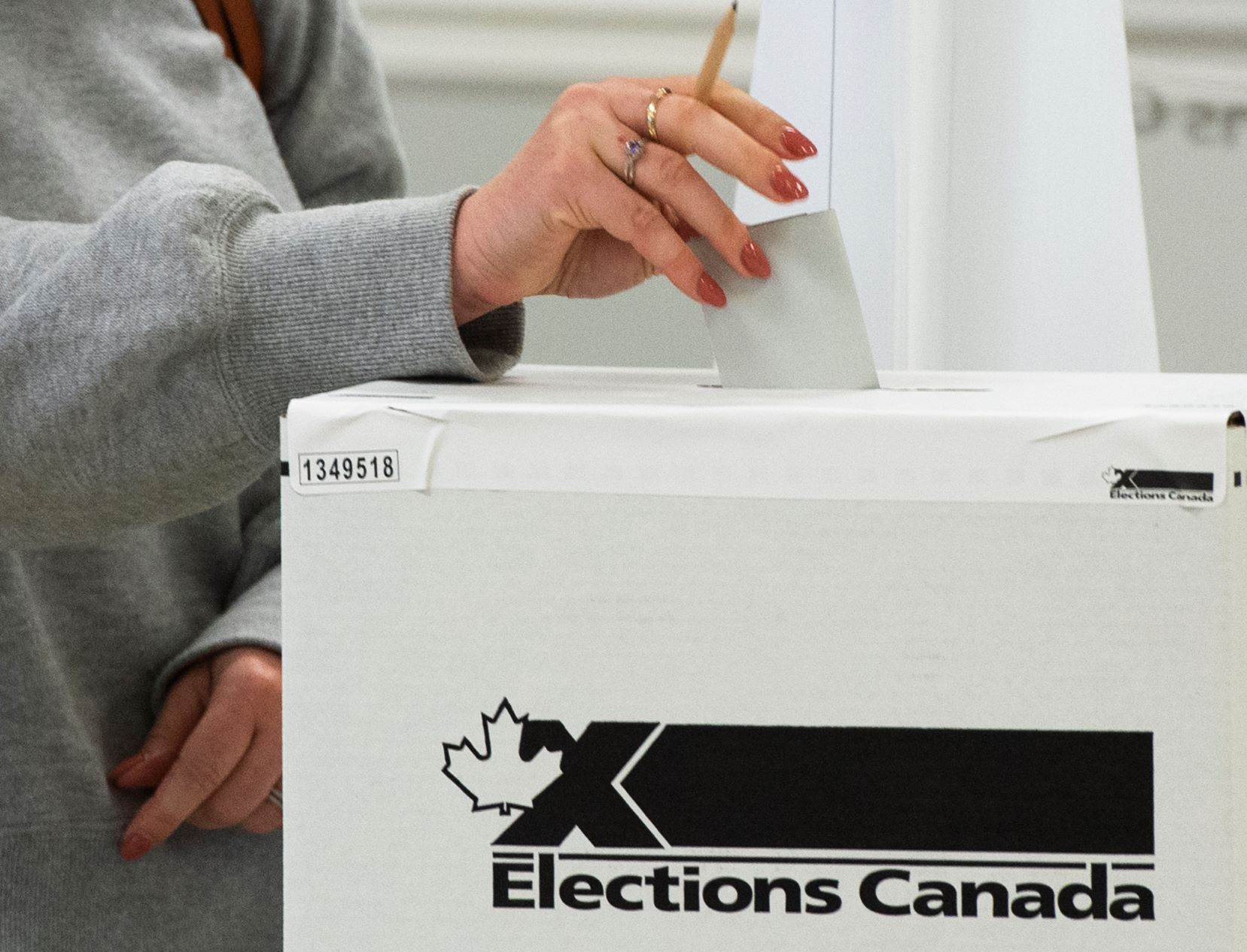
As the election day draws nearer, voter turnout has been remarkably high. Early voting numbers indicate a politically engaged electorate, with over 7 million Canadians casting ballots before the official election date. This surge in early voting suggests that Canadians are increasingly aware of the importance of this election, not only for their domestic future but for their place in the global political order.
The results of this election will ultimately determine whether Canada takes a bold stand against Trump’s policies or aligns more closely with U.S. demands. But beyond trade, the question at the heart of this election is simple: What kind of nation do Canadians want to be? The outcome will set the tone for the country’s political direction for years to come.
For many, this election is about more than just policy—it’s about what kind of relationship Canada should have with the U.S. in the 21st century. As trade wars intensify and the global political landscape becomes more fractured, the decisions made by Canadian voters will echo well beyond the borders of the country.
With the Liberals leading in the polls, the prospect of a Carney victory seems likely, but the Conservatives are still fighting for their place in the new order. The next few weeks will likely be a whirlwind of campaign ads, speeches, and debates, all focused on one question: What does it mean to be Canadian in an era dominated by powerful external pressures?






0 comments