
Your Read is on the Way
Every Story Matters
Every Story Matters
The Hydropower Boom in Africa: A Green Energy Revolution Africa is tapping into its immense hydropower potential, ushering in an era of renewable energy. With monumental projects like Ethiopia’s Grand Ethiopian Renaissance Dam (GERD) and the Inga Dams in the Democratic Republic of Congo, the continent is gearing up to address its energy demands sustainably while driving economic growth.
Northern Kenya is a region rich in resources, cultural diversity, and strategic trade potential, yet it remains underutilized in the national development agenda.

Can AI Help cure HIV AIDS in 2025
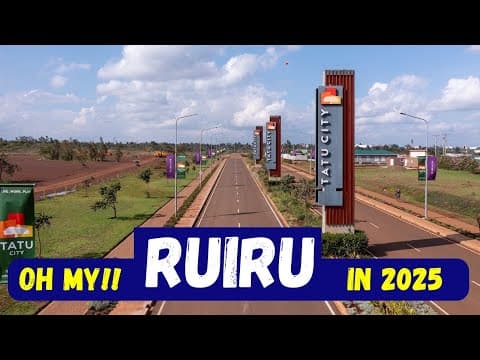
Why Ruiru is Almost Dominating Thika in 2025

Mathare Exposed! Discover Mathare-Nairobi through an immersive ground and aerial Tour- HD

Bullet Bras Evolution || Where did Bullet Bras go to?
José Mujica: The Legacy of Uruguay’s Humble Revolutionary Leader
José Mujica, Uruguay’s beloved former president, passed away on May 13, 2025, leaving behind a profound legacy that transcends politics. Known for his modest lifestyle, deep convictions, and a remarkable journey from revolutionary fighter to president, Mujica’s impact on Uruguay and the world will be felt for generations to come.
José Alberto Mujica was born on May 20, 1935, in Montevideo, Uruguay, into a family with humble roots. His father, a small farmer, and his mother, a homemaker, shaped his early worldview. As a young man, Mujica’s political beliefs were deeply influenced by the inequalities and social struggles surrounding him, and he soon became involved in the National Liberation Movement (MLN-Tupamaros), a left-wing guerrilla group fighting against the Uruguayan government.
The Tupamaros aimed to ignite revolution through acts of resistance, including bank robberies and attacks on military installations, seeking to dismantle the existing political order. Mujica, as a key figure in the movement, was arrested in 1972 and spent nearly 14 years in prison, much of it in solitary confinement. Despite the harsh conditions, his resolve remained unshaken, and he became a symbol of resistance to authoritarian rule. Mujica’s time in prison did not break his spirit; rather, it solidified his beliefs in justice, equality, and the power of democracy.
After Uruguay’s return to democracy in 1985, Mujica transitioned from guerrilla fighter to politician. He joined the Broad Front (Frente Amplio), a left-wing coalition that embraced democratic processes, focusing on reforms rather than revolution. He became a senator and advocated for the working class, opposing neoliberal economic policies and pushing for social welfare reforms.
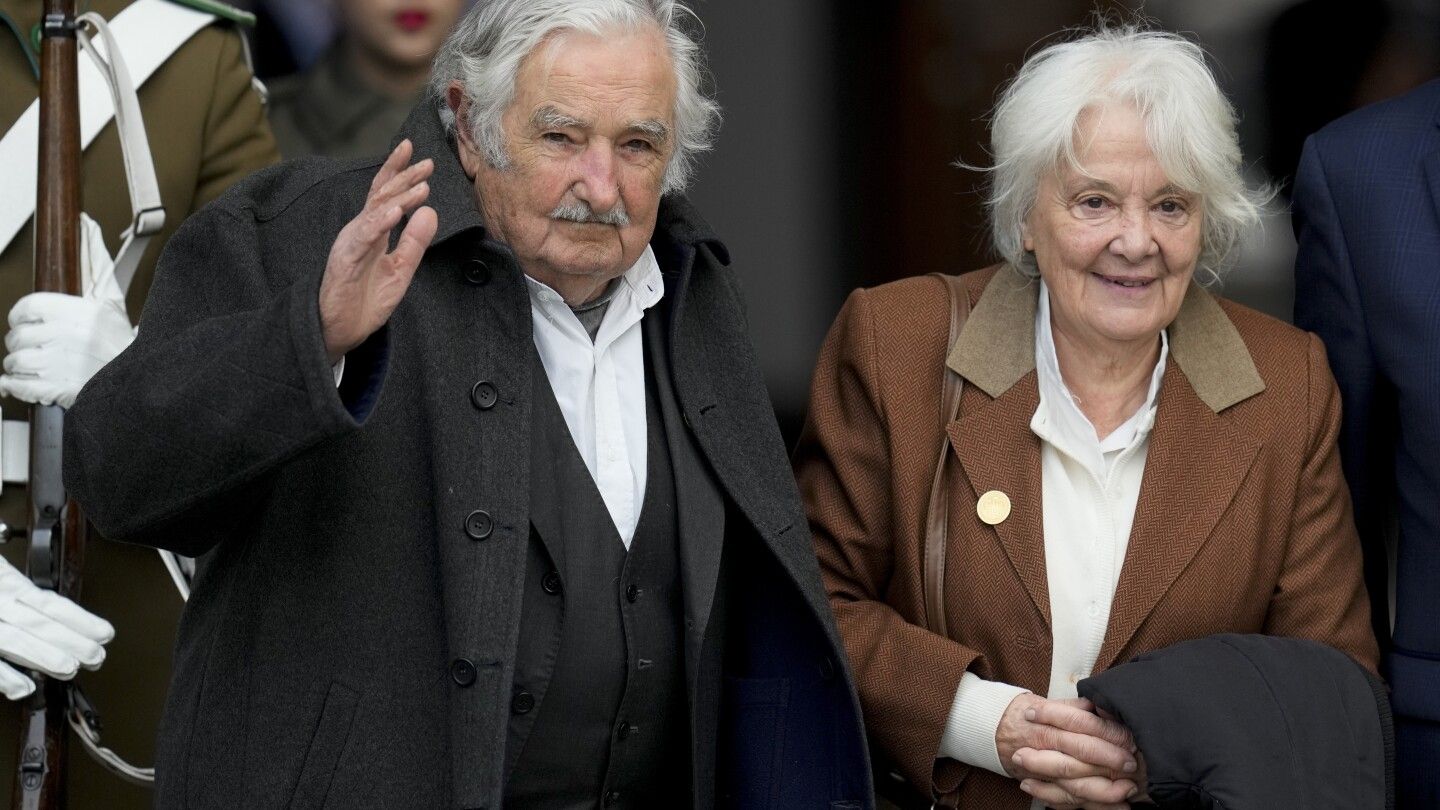
His commitment to social justice and his unorthodox, humble approach to politics resonated with the people of Uruguay. In 2009, Mujica was elected president, a position he held from 2010 to 2015. His presidency was a departure from traditional political leadership, marked by radical social reforms and a lifestyle that was starkly different from most heads of state. Mujica lived on a small farm, drove an old Volkswagen Beetle, and donated a significant portion of his salary to charity, embodying his philosophy of simplicity and anti-materialism.
During his tenure, Mujica legalized same-sex marriage, decriminalized abortion, and famously introduced the world’s first national marijuana legalization program. His progressive policies were aimed at reducing inequality, promoting environmental sustainability, and improving social welfare. He also worked tirelessly to promote Uruguay as a global leader in human rights, speaking out against neoliberal economic policies and advocating for Latin American integration.
Mujica’s presidency was not just about policy change but about changing the way the world views leadership. His refusal to embrace the trappings of power set him apart from most political leaders. His belief in living a simple, unpretentious life was not just an ideal; it was a core tenet of his leadership philosophy. Mujica often spoke of rejecting consumerism and focusing on what truly mattered: the well-being of people and the planet.
His leadership extended far beyond Uruguay. On the world stage, he was an outspoken advocate for social justice, environmental sustainability, and peace. His international speeches, often filled with blunt truths and calls for reform, earned him admiration from global audiences. His unique blend of idealism and pragmatism made him one of the most respected figures in contemporary politics.
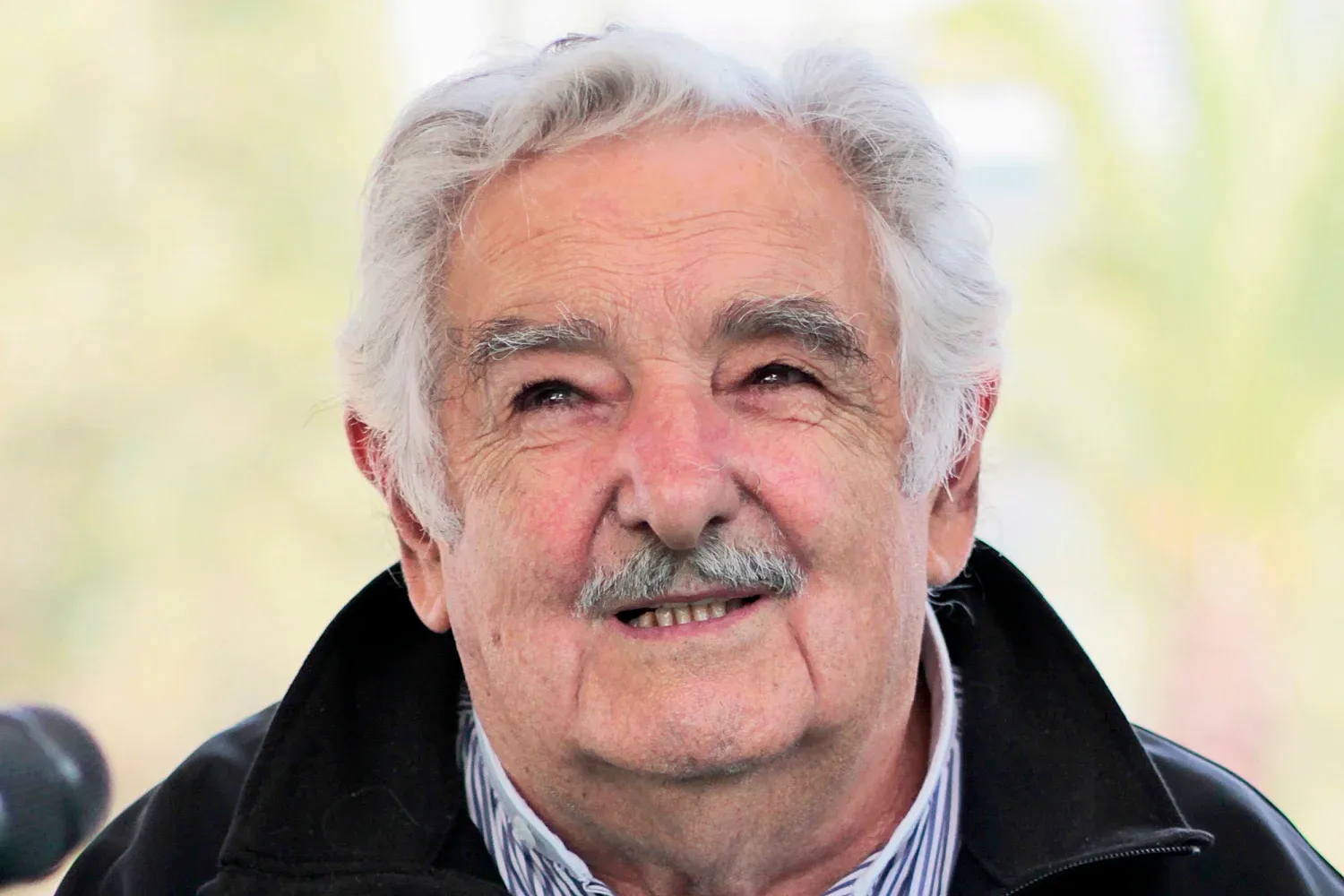
After stepping down from the presidency in 2015, Mujica remained an influential figure in both Uruguay and international politics. His humble lifestyle continued to inspire people worldwide. He frequently spoke about the need for global solidarity, advocating for a world where compassion, equality, and respect for the environment were at the forefront of governance.
Though he no longer held official office, Mujica’s influence on Uruguay’s political and social landscape remained significant. His legacy as a leader who chose service over self-interest, humility over ego, and the common good over personal gain will continue to shape the course of his country’s future.
José Mujica passed away on May 13, 2025, at the age of 89, leaving behind a profound mark on history. His death signifies the end of an era for Uruguay, but his values, policies, and vision will continue to resonate. As one of the most admired and respected leaders in Latin American history, Mujica’s legacy as a man who lived by his principles and prioritized the well-being of others remains intact.
Mujica’s life reminds us that leadership is not about power or wealth but about integrity, humility, and the courage to stand by one’s convictions. His death is a moment of reflection not just for Uruguay, but for the world—on what it means to lead a meaningful life, and how to transform society for the better, one principle at a time.






0 comments