
Your Read is on the Way
Every Story Matters
Every Story Matters
The Hydropower Boom in Africa: A Green Energy Revolution Africa is tapping into its immense hydropower potential, ushering in an era of renewable energy. With monumental projects like Ethiopia’s Grand Ethiopian Renaissance Dam (GERD) and the Inga Dams in the Democratic Republic of Congo, the continent is gearing up to address its energy demands sustainably while driving economic growth.
Northern Kenya is a region rich in resources, cultural diversity, and strategic trade potential, yet it remains underutilized in the national development agenda.
Can AI Help cure HIV AIDS in 2025

Why Ruiru is Almost Dominating Thika in 2025

Mathare Exposed! Discover Mathare-Nairobi through an immersive ground and aerial Tour- HD

Bullet Bras Evolution || Where did Bullet Bras go to?
When the Healers Become the Wounded
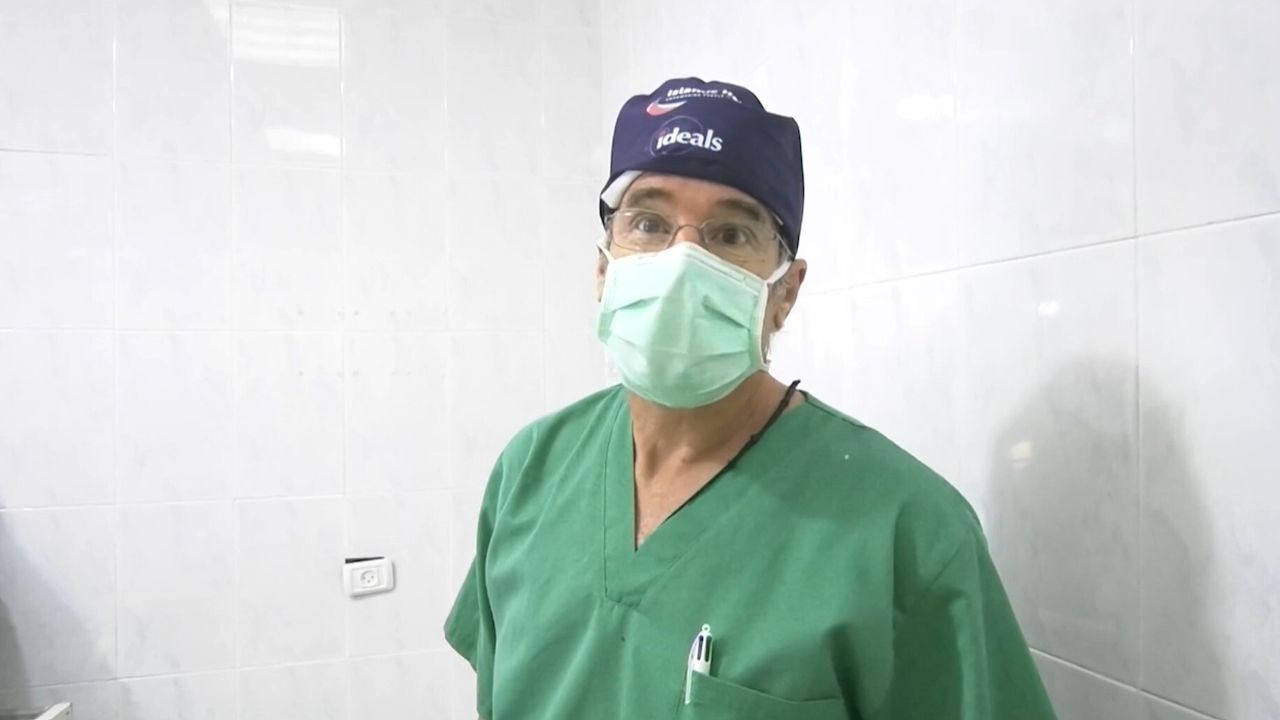
In the heart of Gaza’s besieged south, where hospital corridors double as shelters and operating rooms never sleep, the story is changing. Doctors who once stood as calm figures of care are now becoming the very victims they’re sworn to heal. As the conflict intensifies, the war has ripped through not only neighborhoods but the personal lives of those holding Gaza’s fragile health system together.
The hospitals are now overflowing with trauma — not just from the blast injuries and broken bones, but from the psychological weight carried by medics operating under fire. Some of the city’s most experienced physicians have lost their homes, families, and colleagues. The line between professional duty and personal tragedy has all but vanished.
With Israel’s military operations expanding deeper into Gaza’s southern territories, essential infrastructure has unraveled. Emergency rooms have become war rooms. Fuel is rationed by the hour. Power outages leave surgeons relying on flashlights during procedures. The ripple effect of Gaza’s broken medical supply chain is as deadly as any missile.
Every life-saving tool — oxygen, surgical gloves, sterilization fluid — has become precious cargo. In some cases, a single intravenous drip is shared between patients. Doctors are forced to make agonizing decisions: who receives full treatment, and who must wait… or die. This isn’t just a healthcare crisis; it’s a calculated descent into system failure.
The most harrowing aspect isn’t always what’s happening on the operating table — it’s what’s happening just beyond it. One emergency surgeon, renowned in Khan Younis for his skill and composure, walked into the ICU to treat a critically injured child — only to realize it was his own niece. Another nurse worked through a 24-hour shift after learning her brother had died in a missile strike.
There’s no time for funerals. No room for grief. The dead are often buried without goodbyes, and the living press on, haunted but needed.
Doctors and nurses who once carried medical charts now carry trauma as personal as it is communal. And through it all, they’re expected to be the calm amid the chaos — caregivers in the apocalypse.
Even as the violence shatters families and buildings alike, hunger gnaws at Gaza’s population. Aid trickling in through narrow corridors has barely scratched the surface of need. Bread lines stretch for blocks, often ending in confrontation. Malnourished children wail in makeshift shelters, and mothers are forced to mix powdered milk with dirty water.
Medical staff, already pushed to their physical limits, now confront the consequences of starvation: underweight infants, infection outbreaks, and patients too weak to survive surgery. Clean water is disappearing. Fuel for desalination plants has dried up. Hygiene is slipping, and with it, disease begins its silent crawl through crowded shelters and hospital wards.
The blockade, originally intended as leverage in negotiations with Hamas, has become a humanitarian stranglehold. Supplies are scarce, communication lines cut, and global attention waning. As the international community debates and condemns, Gaza bleeds — and its healers are left alone with the wounds.
Those on the ground don’t speak in political language. Their pleas are visceral: fuel, food, medicine, and mercy. They are not asking for debates — they are begging for breathing room, for a pause long enough to regroup and survive.
Gaza’s hospitals are now metaphors of the territory itself — broken, under siege, but still standing. Within those sterile white walls now stained by war, a quiet heroism endures. Medical professionals, torn between duty and despair, continue to hold the line. But even resilience has limits. And as each new day brings another tragedy, another airstrike, another shortage, the question becomes: how long can a people keep healing others while no one heals them?






0 comments