
Your Read is on the Way
Every Story Matters
Every Story Matters
The Hydropower Boom in Africa: A Green Energy Revolution Africa is tapping into its immense hydropower potential, ushering in an era of renewable energy. With monumental projects like Ethiopia’s Grand Ethiopian Renaissance Dam (GERD) and the Inga Dams in the Democratic Republic of Congo, the continent is gearing up to address its energy demands sustainably while driving economic growth.
Northern Kenya is a region rich in resources, cultural diversity, and strategic trade potential, yet it remains underutilized in the national development agenda.
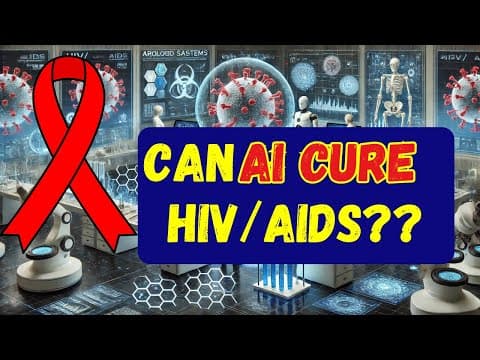
Can AI Help cure HIV AIDS in 2025

Why Ruiru is Almost Dominating Thika in 2025

Mathare Exposed! Discover Mathare-Nairobi through an immersive ground and aerial Tour- HD

Bullet Bras Evolution || Where did Bullet Bras go to?
The recent wave of conflict between Iran and Israel has taken a devastating turn for civilians, as more than 5,000 people in Israel have lost their homes due to direct missile impacts and structural damages. The bombardments, concentrated on urban centers and residential neighborhoods, have left behind a trail of destruction—shattered buildings, gutted apartments, and entire blocks reduced to rubble.
While the military frontlines dominate international headlines, it is the civilian population that now endures the most severe hardships.
Cities across central and northern Israel were among the hardest hit, with hundreds of apartment complexes and homes deemed uninhabitable. Emergency responders and local officials moved swiftly to evacuate residents, many of whom had no time to gather personal belongings before fleeing.
Community shelters and temporary relief centers are now overwhelmed as families—some displaced for the first time in their lives—seek refuge from the escalating violence. The government has since launched a national displacement management initiative to coordinate housing, medical care, and trauma support for the affected population.
Beyond residential losses, the missile strikes have severely damaged power lines, water systems, and transportation routes, further straining the country’s crisis response capabilities. Entire districts have been plunged into darkness, with electricity and water outages reported across several municipalities.
Roads and rail lines critical for civilian evacuation and aid distribution have been compromised, hindering rescue and recovery efforts. As the infrastructure buckles under the weight of war, restoring essential services has become a top priority.
The emotional toll of displacement is beginning to show, particularly among children and the elderly. Schools have been shut indefinitely, with classrooms now converted into makeshift shelters. Social workers and counselors report a spike in anxiety, sleep disorders, and signs of post-traumatic stress among evacuees. The forced uprooting from familiar environments has not only disrupted daily life but has fractured communities and support systems that once offered stability in uncertain times.
While the Israeli military intensifies its defensive operations, the internal displacement crisis has cast a spotlight on the broader humanitarian fallout. Questions are now being raised about long-term resettlement strategies, emergency preparedness, and the government’s ability to protect its population during sustained conflict.
International observers warn that prolonged displacement could lead to deeper socio-economic strains and erode public confidence in state institutions if relief efforts falter.
The displacement of over 5,000 people is not just a logistical crisis—it is a human tragedy unfolding in real time. As global powers watch the military escalation between Iran and Israel, it is the civilians who are paying the heaviest price. Their loss of homes, security, and normalcy serves as a stark reminder that war is never contained to battlefields.
Unless de-escalation is achieved swiftly, the number of homeless and traumatized could rise exponentially, turning a military conflict into a full-blown humanitarian emergency.






0 comments