
Your Read is on the Way
Every Story Matters
Every Story Matters
The Hydropower Boom in Africa: A Green Energy Revolution Africa is tapping into its immense hydropower potential, ushering in an era of renewable energy. With monumental projects like Ethiopia’s Grand Ethiopian Renaissance Dam (GERD) and the Inga Dams in the Democratic Republic of Congo, the continent is gearing up to address its energy demands sustainably while driving economic growth.
Northern Kenya is a region rich in resources, cultural diversity, and strategic trade potential, yet it remains underutilized in the national development agenda.

Can AI Help cure HIV AIDS in 2025

Why Ruiru is Almost Dominating Thika in 2025

Mathare Exposed! Discover Mathare-Nairobi through an immersive ground and aerial Tour- HD

Bullet Bras Evolution || Where did Bullet Bras go to?
A Strategic Pivot, Not a Victory Lap
Deputy President Kithure Kindiki’s trip to Uganda wasn’t just a diplomatic courtesy—it was a red flag waving through the halls of the African Union’s peacekeeping apparatus. While the Kampala summit gathered troop-contributing nations for formal speeches and handshakes, the mood behind closed doors was far more pressing. The mission in Somalia is wobbling, and the African Union is scrambling to prevent its collapse.
ATMIS, the African Union Transition Mission in Somalia, is preparing to hand over responsibilities to the new African Union Support and Stabilization Mission (AUSSOM). But this isn’t a seamless baton pass—it’s more like changing drivers while the car is skidding through a storm. Behind the institutional optimism lies a brutal truth: the entire operation is $90 million short and bleeding political will.
The Summit of Shadows
This wasn’t just another continental gathering—it was a crisis summit in disguise. Instead of merely applauding past progress, African leaders had to reckon with the stark possibility that Somalia’s fragile security architecture could unravel if left underfunded and unsupported. As Uganda—the veteran of Somalia interventions—offered its platform, military leaders and diplomats discussed troop morale, mission fatigue, and an increasingly uncooperative international donor environment.
What was once a proud symbol of African resilience is now a shaky experiment teetering on the edge. Kindiki and others came with questions: Can we afford this mission any longer? Is Somalia truly ready for a post-ATMIS future? Can AUSSOM deliver what its predecessor couldn’t?
Africa’s Security Conundrum
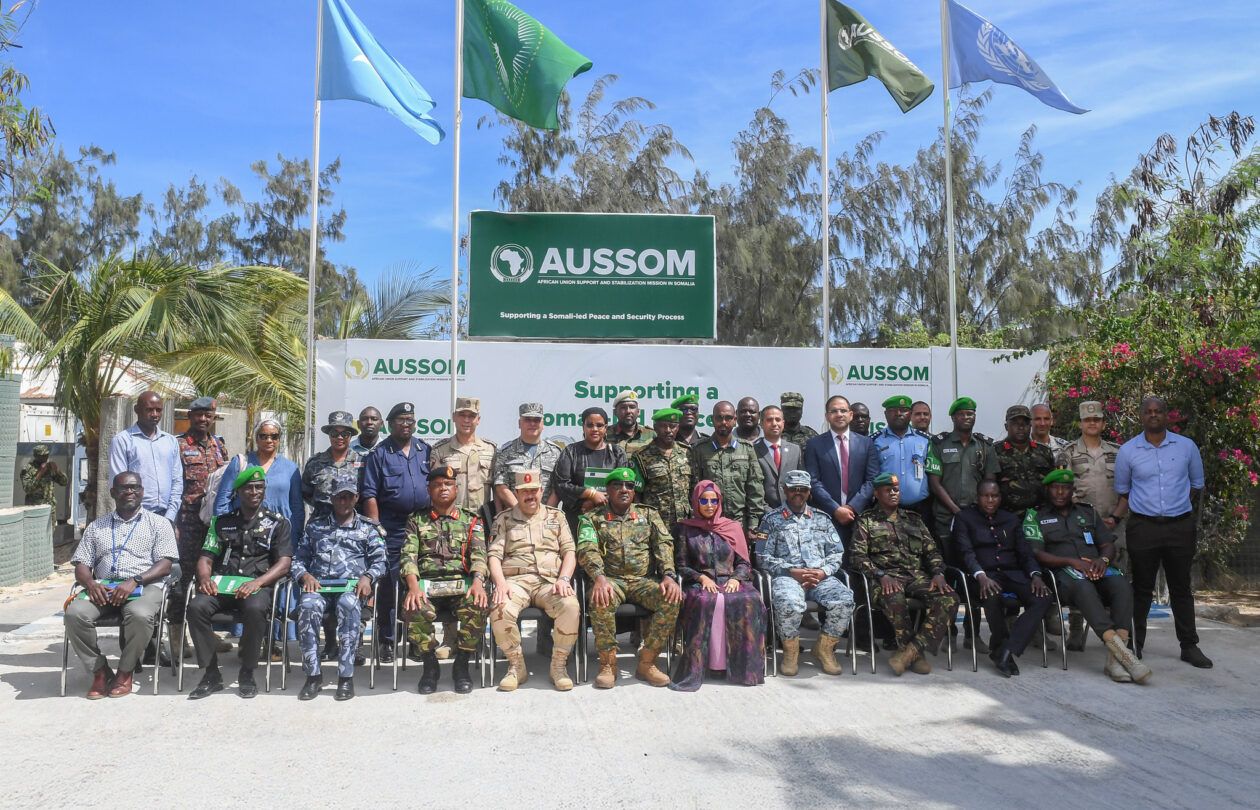
Let’s not sugarcoat it—Somalia is no longer the AU's golden child of stabilization. It’s a fragile state balancing on hope, and African nations know the costs all too well. Countries like Kenya, Ethiopia, Uganda, and Burundi have paid in blood, money, and political capital. Yet the threats from Al Shabaab remain stubborn and cross-border violence is an ever-present risk. The ideological war hasn’t been won; it’s just changed masks.
But the new mission, AUSSOM, was always a gamble. Less international oversight, more African autonomy. A dream on paper, maybe, but in practice, it’s been hampered by incoherent strategy, inconsistent logistics, and now, a funding hole so deep it threatens to swallow the mission whole.
Donor Fatigue and the Invisible Crisis
The funding drought isn’t just an accounting error—it’s a symptom of global apathy. With the world’s eyes fixated on Ukraine, Gaza, and the Pacific, Somalia has fallen off the urgency radar. The AU’s call for international solidarity has been met with polite silence. Security Council statements mean little without cash to back them. The uncomfortable reality is that donors are hesitant, and some African leaders are growing skeptical about continuing a war that seems endless and politically unrewarding.
Without a coordinated financial rescue, even the best-trained Somali troops won’t hold back a resurgent insurgency. The political leadership in Mogadishu is trying, but it remains fractured. Local governance is fragile. The humanitarian crisis is worsening. And peace, always elusive, is now transactional.
Regional Tensions Brewing
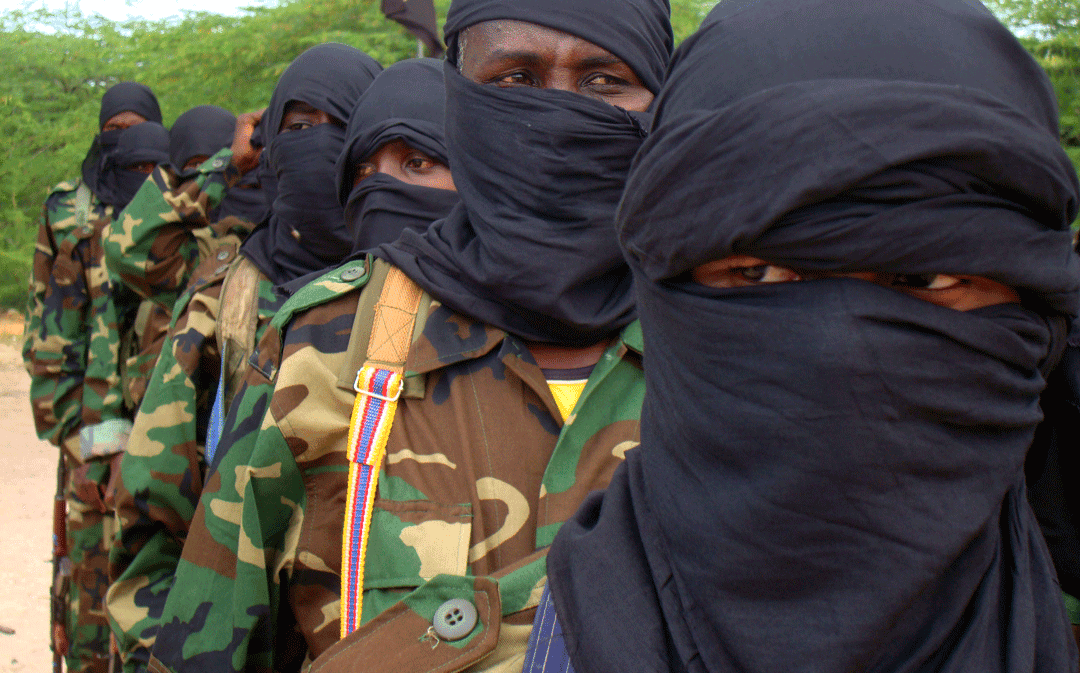
Somalia’s woes don’t stay within its borders. Al Shabaab’s long shadow reaches into Kenya, Ethiopia, and even Tanzania. Regional governments know that a failed Somalia would have a domino effect—but they’re also dealing with their own internal unrest and economic headwinds. The AU is caught between rallying the continent and managing internal political exhaustion.
Uganda’s President and Kenya’s delegation pushed for shared responsibilities and more efficient coordination, but the tension in the room was undeniable. Everyone wants peace in Somalia. Few want to bankroll it anymore.
Is AUSSOM a Mirage or a Miracle in the Making?
The concept of AUSSOM was simple: a lighter, more responsive, African-owned security initiative. But as the clock ticks, skepticism grows. With a new security architecture comes new obligations, new logistics, and a steeper reliance on Somali leadership that is still developing its own capacity. There's optimism—yes—but it's cautious, even guarded.
The AU has laid out a vision, but the runway is short and the turbulence is severe. Without an immediate infusion of funding and international willpower, AUSSOM might inherit more problems than it can solve.
Somalia's Balancing Act
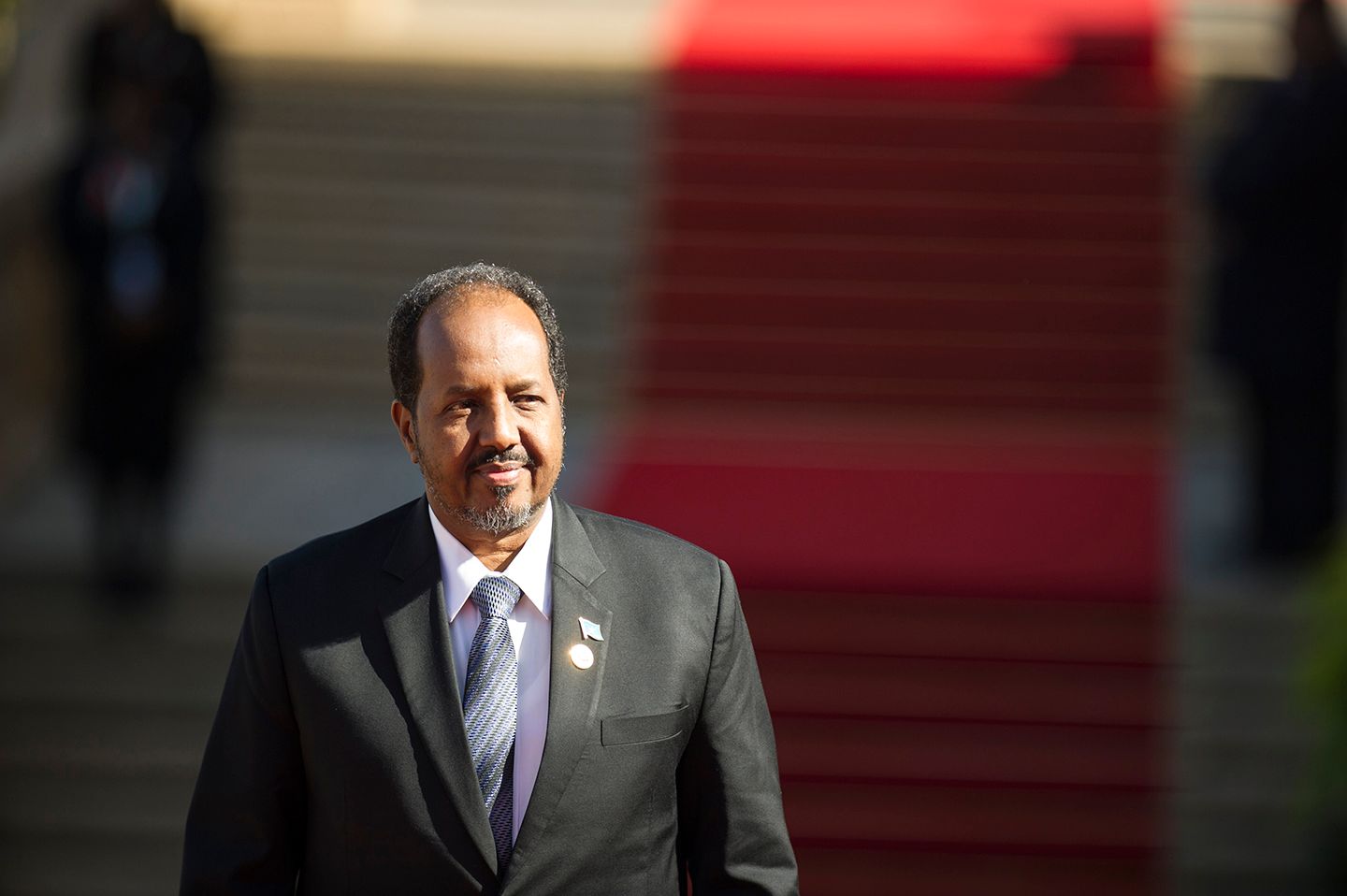
On the ground, Somalia’s national government is walking a tightrope. President Hassan Sheikh Mohamud has pursued a multi-pronged approach—military offensives, reconciliation efforts, and diplomatic overtures. There is measurable progress, but it’s not linear. Internal politics remain messy, clan dynamics complex, and external threats persistent. Rebuilding state institutions while fending off militancy is a daunting task even in the best of times.
A Test for African Unity
What’s unfolding in Somalia is more than a mission transition—it’s a test of African resolve and international responsibility. The Kampala summit wasn’t just symbolic; it was existential. Can African nations, backed by an increasingly distracted global community, stabilize one of the most volatile corners of the continent? Or will AUSSOM be remembered as the mission that arrived too late, too underfunded, and too idealistic?
For now, the AU presses on. But the world should be watching more closely—because Somalia’s peace is not just Somalia’s problem. It’s a pivot point for the future of African-led security solutions. And if the continent fails here, the ripple effects will stretch far beyond the Horn of Africa.






0 comments