
Your Read is on the Way
Every Story Matters
Every Story Matters
The Hydropower Boom in Africa: A Green Energy Revolution Africa is tapping into its immense hydropower potential, ushering in an era of renewable energy. With monumental projects like Ethiopia’s Grand Ethiopian Renaissance Dam (GERD) and the Inga Dams in the Democratic Republic of Congo, the continent is gearing up to address its energy demands sustainably while driving economic growth.
Northern Kenya is a region rich in resources, cultural diversity, and strategic trade potential, yet it remains underutilized in the national development agenda.

Can AI Help cure HIV AIDS in 2025

Why Ruiru is Almost Dominating Thika in 2025

Mathare Exposed! Discover Mathare-Nairobi through an immersive ground and aerial Tour- HD

Bullet Bras Evolution || Where did Bullet Bras go to?
The death toll in Gaza continues to rise sharply, with at least 70 Palestinians reported killed following a new wave of Israeli strikes and shelling. These casualties add to the already staggering number of lives lost since the conflict escalated, marking one of the deadliest single-day surges in recent months.
The figures reflect both the intensity of the bombardments and the vulnerability of communities caught in densely populated areas. Residential neighborhoods, public spaces, and makeshift shelters have been struck, leaving families devastated and communities struggling to recover from repeated cycles of violence.
Among those killed are large numbers of women and children, underscoring the heavy toll borne by non-combatants. Civilians have found themselves with nowhere safe to turn as strikes target areas once considered refuge, including schools, hospitals, and community shelters. Families are often displaced multiple times, moving from one unsafe location to another.
This has created an environment where entire households have been wiped out, while survivors are left with the trauma of loss and little access to assistance. The scale of the civilian impact demonstrates the dire consequences of sustained bombardments in one of the world’s most densely populated regions.
The rising fatalities are part of a broader humanitarian catastrophe that has engulfed Gaza. Already facing chronic shortages of essential goods, the population now struggles with worsening scarcity of food, clean water, and fuel. Medical facilities, overwhelmed by the influx of casualties, lack basic supplies and critical equipment to treat the injured.
Famine has been declared in several areas, with hundreds of thousands of people facing extreme hunger and malnutrition. Aid deliveries remain restricted and insufficient, exacerbating the crisis. The humanitarian toll is becoming as devastating as the direct casualties of the strikes, as families battle disease, hunger, and exposure alongside the violence.
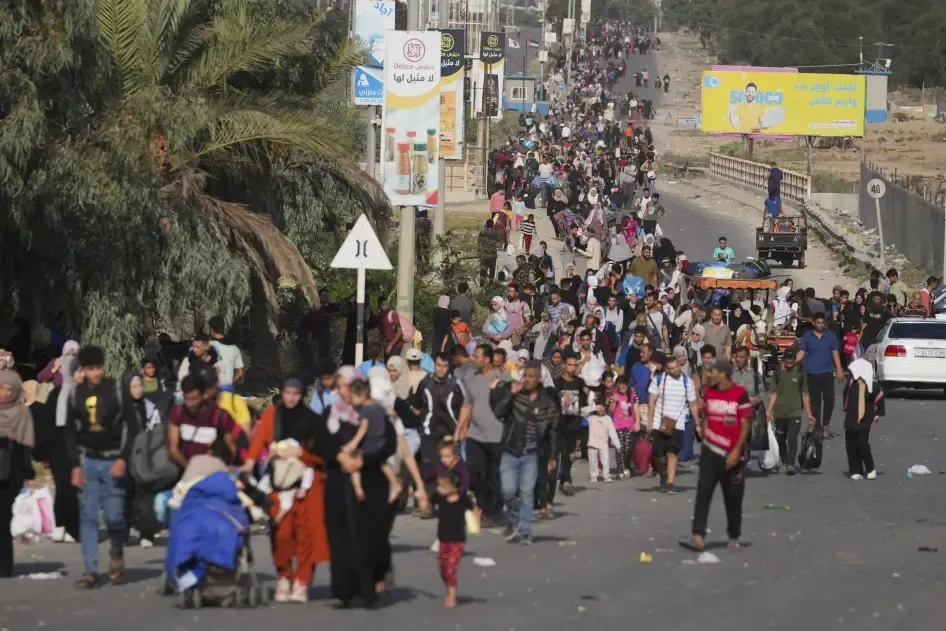
The continued escalation has heightened regional instability. The strikes not only deepen Gaza’s internal suffering but also increase tensions with neighboring states and heighten fears of a broader conflict. The rising death toll fuels anger, resentment, and calls for revenge, which perpetuate cycles of violence.
The presence of armed groups alongside civilian populations complicates the security situation further, making it nearly impossible to separate combatants from civilians in such a confined territory. The constant bombardments risk igniting wider unrest, spreading insecurity beyond Gaza and destabilizing an already fragile region.
As the crisis worsens, calls for international intervention grow louder. Humanitarian agencies have repeatedly appealed for safe corridors to deliver urgent aid, while mediators push for renewed talks to establish a ceasefire.
However, progress has been slow, and political divisions continue to hinder relief efforts. Without meaningful action, the death toll is likely to rise further, worsening the humanitarian situation and increasing the risk of irreversible damage to Gaza’s infrastructure and social fabric.
The relentless increase in Gaza’s death toll highlights the devastating human cost of ongoing conflict. With civilians bearing the brunt of the violence and humanitarian resources stretched to breaking point, the situation has become unsustainable.
Urgent measures are needed to halt the bloodshed, ensure aid reaches those in need, and pave the way for a long-term solution. Without immediate intervention, Gaza’s population faces the prospect of continued loss, displacement, and suffering on an unprecedented scale.






0 comments