
Your Read is on the Way
Every Story Matters
Every Story Matters
The Hydropower Boom in Africa: A Green Energy Revolution Africa is tapping into its immense hydropower potential, ushering in an era of renewable energy. With monumental projects like Ethiopia’s Grand Ethiopian Renaissance Dam (GERD) and the Inga Dams in the Democratic Republic of Congo, the continent is gearing up to address its energy demands sustainably while driving economic growth.
Northern Kenya is a region rich in resources, cultural diversity, and strategic trade potential, yet it remains underutilized in the national development agenda.

Can AI Help cure HIV AIDS in 2025

Why Ruiru is Almost Dominating Thika in 2025

Mathare Exposed! Discover Mathare-Nairobi through an immersive ground and aerial Tour- HD

Bullet Bras Evolution || Where did Bullet Bras go to?
The conflict between Israel and Iran has moved from covert proxy actions to direct military engagement. In the latest wave of hostilities, Israel launched coordinated strikes deep within Iranian territory, reportedly targeting nuclear infrastructure, military airbases, and intelligence assets. In response, Iran retaliated with ballistic missiles and armed drones aimed at strategic sites across central and northern Israel.
Both nations have now openly admitted to initiating direct attacks, signaling a marked departure from their usual indirect warfare through allied militias and regional proxies. The growing scale of these exchanges has heightened fears of a broader regional war, particularly as cyberattacks, communication disruptions, and naval deployments now accompany the physical strikes.
The latest air defense alerts and mobilizations indicate both nations are preparing for sustained conflict rather than isolated retaliatory strikes. Civilian populations in both countries are increasingly caught in the crossfire, and diplomatic channels appear paralyzed in the face of the rapidly escalating situation.
In the Gaza Strip, a new humanitarian catastrophe has emerged, following a lethal incident involving Israeli tank fire. Dozens of Palestinians who had lined up in Khan Younis to receive food and supplies were reportedly killed when tanks opened fire near the distribution point. Witness accounts indicate that over fifty individuals, mostly civilians, were killed instantly, with many more wounded.
This is not an isolated event. In Rafah, another aid distribution site previously witnessed the deaths of dozens, including women and children, who had gathered in desperate hope for basic necessities. In that case, individuals reportedly sustained gunshot wounds to the head and chest at close range, suggesting targeted aggression rather than accidental harm.
These incidents have triggered outrage among humanitarian organizations, who now face growing difficulty in distributing aid without placing civilian recipients at grave risk. The Gaza Strip, already crippled by months of blockade and bombardment, has reached a point where famine conditions are merging with mass civilian casualties.
The mounting civilian toll has prompted fierce criticism from international observers. The deliberate targeting or reckless endangerment of civilians, particularly those gathered at humanitarian aid sites, has raised accusations of war crimes. Despite repeated calls for humanitarian corridors, there appears to be little effort from warring parties to facilitate safe distribution zones.
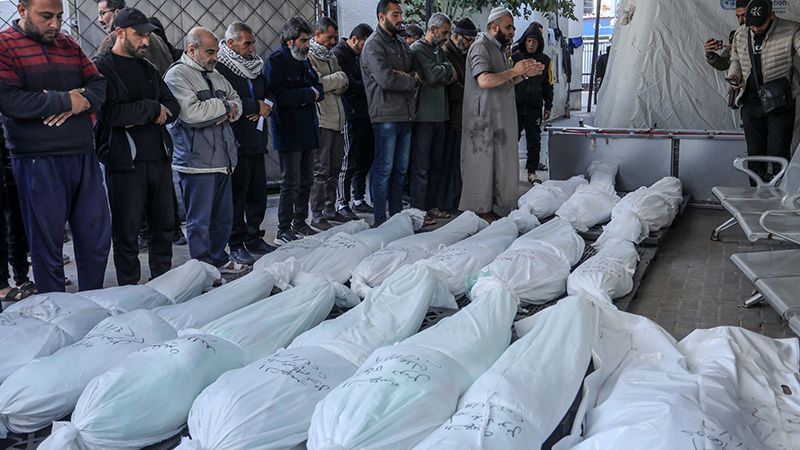
The United Nations and regional agencies have raised concerns about the legality of the strikes and the growing pattern of civilian deaths in Gaza. Emergency aid groups have called for immediate ceasefires, international investigations, and the establishment of demilitarized zones for food and medical relief.
Amid these calls, many nations have begun evacuating their citizens from the wider conflict zone, fearing that the situation may spiral into a broader regional war involving multiple Middle Eastern states and even foreign powers.
While many world powers have urged restraint, others have shown implicit support for continued military engagement. Israel has publicly framed its operations as essential for national security and deterrence, emphasizing that any compromise would embolden Iranian aggression. Iran, in turn, has declared its counterstrikes as acts of sovereign self-defense in response to what it views as unjustified and preemptive Israeli attacks.
Efforts to broker a ceasefire have largely stalled. Multilateral platforms like the G7 and the UN Security Council remain divided on the appropriate response. While some nations advocate a hardline response to both Iran and Palestinian militant groups, others emphasize the urgent need for humanitarian protection and conflict de-escalation.
President Trump, now in his second term, has taken a notably aggressive tone, warning Tehran to evacuate civilians from high-risk zones and signaling U.S. readiness to act if American interests are directly threatened.
The Middle East now stands at the precipice of a wider war. The open conflict between Israel and Iran threatens to engulf Lebanon, Syria, Iraq, and the Gulf states. The humanitarian disaster unfolding in Gaza could trigger further radicalization and regional instability, particularly if no resolution is reached soon.
While world leaders call for peace, the trajectory of events suggests that further violence is imminent unless meaningful intervention occurs. The combination of military escalation and humanitarian collapse presents a dual crisis that could reshape the geopolitical balance of the entire region.






0 comments