
Your Read is on the Way
Every Story Matters
Every Story Matters
The Hydropower Boom in Africa: A Green Energy Revolution Africa is tapping into its immense hydropower potential, ushering in an era of renewable energy. With monumental projects like Ethiopia’s Grand Ethiopian Renaissance Dam (GERD) and the Inga Dams in the Democratic Republic of Congo, the continent is gearing up to address its energy demands sustainably while driving economic growth.
Northern Kenya is a region rich in resources, cultural diversity, and strategic trade potential, yet it remains underutilized in the national development agenda.

Can AI Help cure HIV AIDS in 2025

Why Ruiru is Almost Dominating Thika in 2025

Mathare Exposed! Discover Mathare-Nairobi through an immersive ground and aerial Tour- HD

Bullet Bras Evolution || Where did Bullet Bras go to?
In an unexpected development that sent ripples through international circles, Steve Witkoff, a real estate mogul turned political envoy, held a discreet four-hour meeting with Russian President Vladimir Putin in St. Petersburg. Representing the unofficial interests of former U.S. President Donald Trump, Witkoff’s appearance in Russia has raised eyebrows globally, not just for its secrecy, but for the explosive content believed to have been discussed.
Sources familiar with the meeting suggest Witkoff floated the idea of a negotiated peace in Ukraine, with a highly controversial twist: the recognition of Russian control over four contested Ukrainian territories—Donetsk, Luhansk, Zaporizhzhia, and Kherson. These are the very regions Russia claimed to annex in 2022 following a series of internationally condemned referenda. The deal, if it were to take shape, would fundamentally redraw Ukraine’s map and call into question years of Western military and economic support.
Witkoff is not a diplomat by any traditional measure. He is a luxury real estate developer and longtime friend of Trump, someone more known for property portfolios than peace deals. Yet, his personal rapport with Vladimir Putin reportedly goes back years, rooted in informal exchanges and private meetings. His emergence now as a peace envoy reveals something deeper: the Trump camp’s willingness to deploy unconventional actors to achieve geopolitical outcomes.
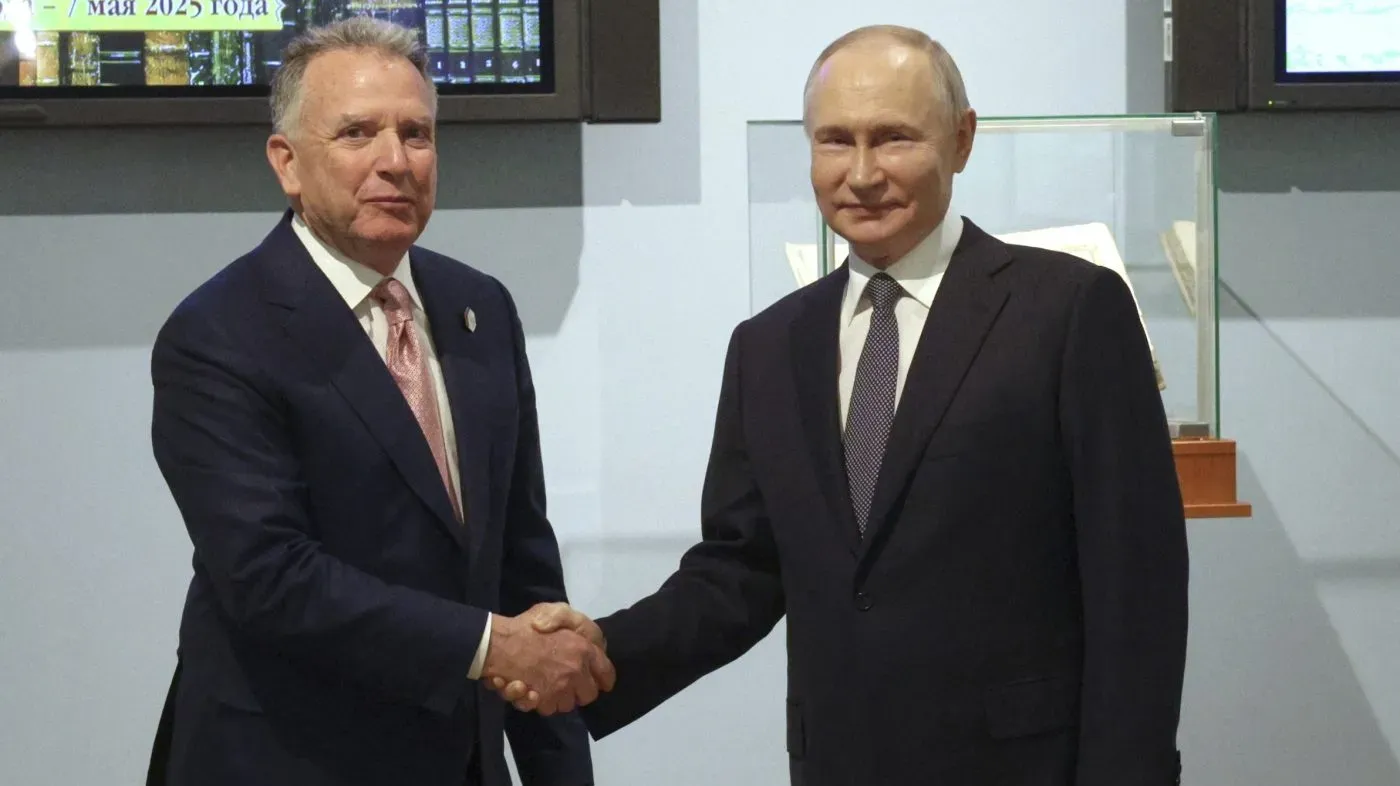
This is not Witkoff’s first foray into the political sphere, but it is certainly his most high-stakes mission. Those close to Trump suggest that Witkoff was chosen for his ability to connect on a personal level with foreign leaders, a soft power advantage that relies more on charm and familiarity than formal channels. And in the eyes of the Trump camp, this kind of personal diplomacy is more effective than what they view as bureaucratic inertia in Washington.
What has alarmed much of the Western world is the substance of the proposal being quietly pushed. According to leaks from within the Russian administration and American foreign policy analysts, the suggested settlement includes a de facto acknowledgment of Russia’s control over territories currently considered part of Ukraine. If enacted, this deal would reverse a decade’s worth of global condemnation and sanctions imposed on Moscow since its annexation of Crimea in 2014.
While the Kremlin reportedly responded to the proposal with “cautious optimism,” it has also distanced itself from Witkoff’s exact role, signaling internal caution about being seen as overly reliant on an unofficial channel. Nonetheless, the very fact that Putin entertained a meeting of this length and tone with someone close to Trump is revealing. It shows the Russian leader may be hedging his bets, preparing for a potential return of Trump to the White House and looking for early opportunities to shape the post-2024 global order.
Back in Washington and across NATO’s European capitals, the reaction has been anything but enthusiastic. Senior Republicans who have been vocal in their support for Ukraine are reportedly livid about what they view as a betrayal of long-standing principles. More than just undermining President Biden’s foreign policy, Witkoff’s overture to Putin may signal a fracture in America’s bipartisan commitment to defending Ukrainian sovereignty.
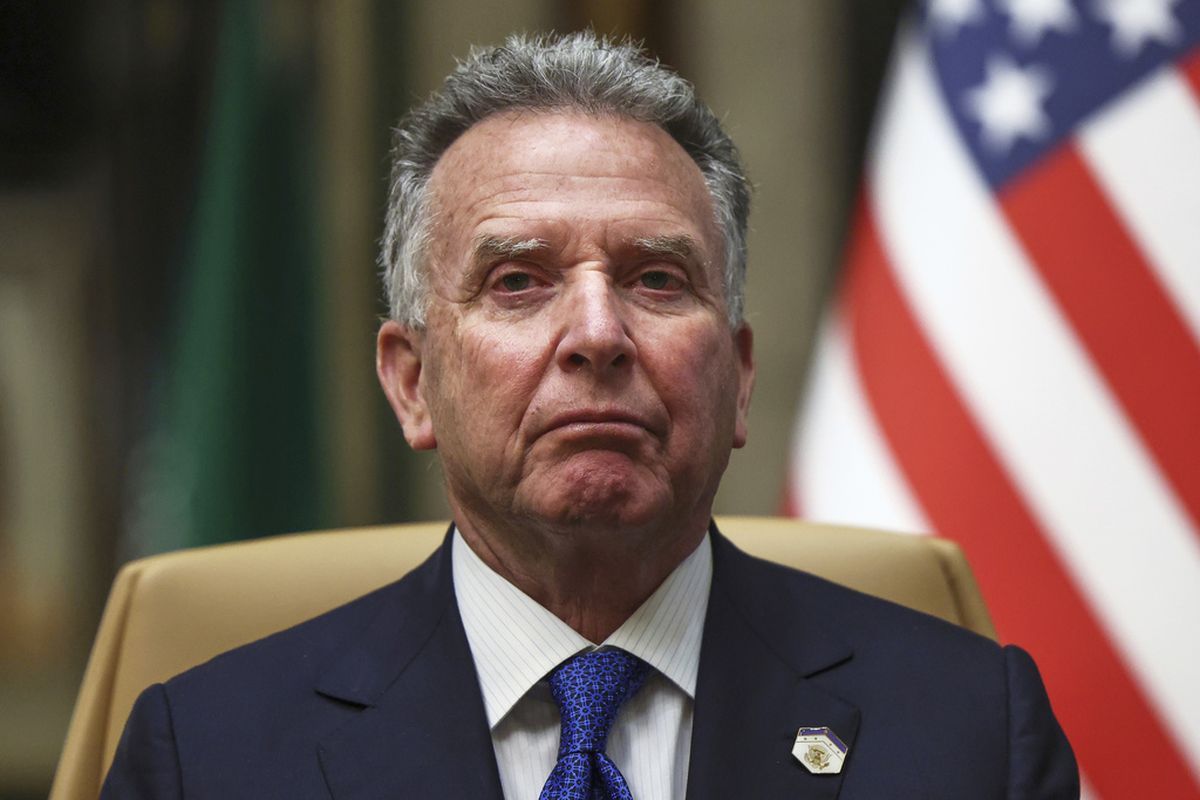
European leaders are also on edge. Just days after Witkoff’s Moscow visit, several EU nations pledged over €21 billion in new military aid to Ukraine, clearly signaling their refusal to entertain the idea of ceding Ukrainian land to appease Moscow. For many European diplomats, the fear is that a Trump-aligned administration might not only weaken Ukraine’s negotiating position but also embolden other authoritarian regimes to follow similar paths.
What Witkoff’s mission reveals, above all, is the emerging shape of a Trump 2.0 foreign policy. One that favors fast deals, transactional logic, and a ruthless emphasis on ending conflicts regardless of moral or territorial costs. This mirrors the broader Trump doctrine: challenge the status quo, reject traditional diplomacy, and pursue bold if controversial solutions. To his base, this style of leadership is refreshing. To his critics, it’s reckless and dangerous.
Whether Witkoff’s meeting results in tangible outcomes remains to be seen. But one thing is certain: diplomacy has taken an unpredictable turn. With unofficial envoys, secretive proposals, and potentially seismic geopolitical shifts in play, the Ukraine conflict has now entered a new phase, one in which maps may be redrawn not in the battlefield trenches, but in private parlors behind closed doors.






0 comments