
Your Read is on the Way
Every Story Matters
Every Story Matters
The Hydropower Boom in Africa: A Green Energy Revolution Africa is tapping into its immense hydropower potential, ushering in an era of renewable energy. With monumental projects like Ethiopia’s Grand Ethiopian Renaissance Dam (GERD) and the Inga Dams in the Democratic Republic of Congo, the continent is gearing up to address its energy demands sustainably while driving economic growth.
Northern Kenya is a region rich in resources, cultural diversity, and strategic trade potential, yet it remains underutilized in the national development agenda.

Can AI Help cure HIV AIDS in 2025

Why Ruiru is Almost Dominating Thika in 2025

Mathare Exposed! Discover Mathare-Nairobi through an immersive ground and aerial Tour- HD

Bullet Bras Evolution || Where did Bullet Bras go to?
Ukraine, a nation that has withstood the relentless pressure of war since 2022, now faces a new challenge: whether or not to hold elections under the weight of ongoing conflict. President Volodymyr Zelensky, the face of Ukraine’s defiance, is at the center of swirling political debates. The question looms: can a nation at war afford the luxury of democracy, or is the risk of instability too great?
Despite the war’s unpredictable nature, political voices at home and abroad are urging Ukraine to restore its democratic process. Yet, the reality is far more complex. Martial law remains in place, the security situation is volatile, and millions of Ukrainians remain displaced. While Zelensky has remained firm in his stance that elections can only happen when the country is stable, mounting pressure from political factions and international allies may force him to reconsider.
Under Ukraine’s constitution, elections are prohibited during martial law, which has been repeatedly extended due to the war. Parliamentary elections, originally scheduled for October 2023, have been postponed indefinitely, as have presidential elections that were expected in early 2024. This legal barrier, while designed to safeguard democracy in times of crisis, has also created uncertainty about the nation’s political future.
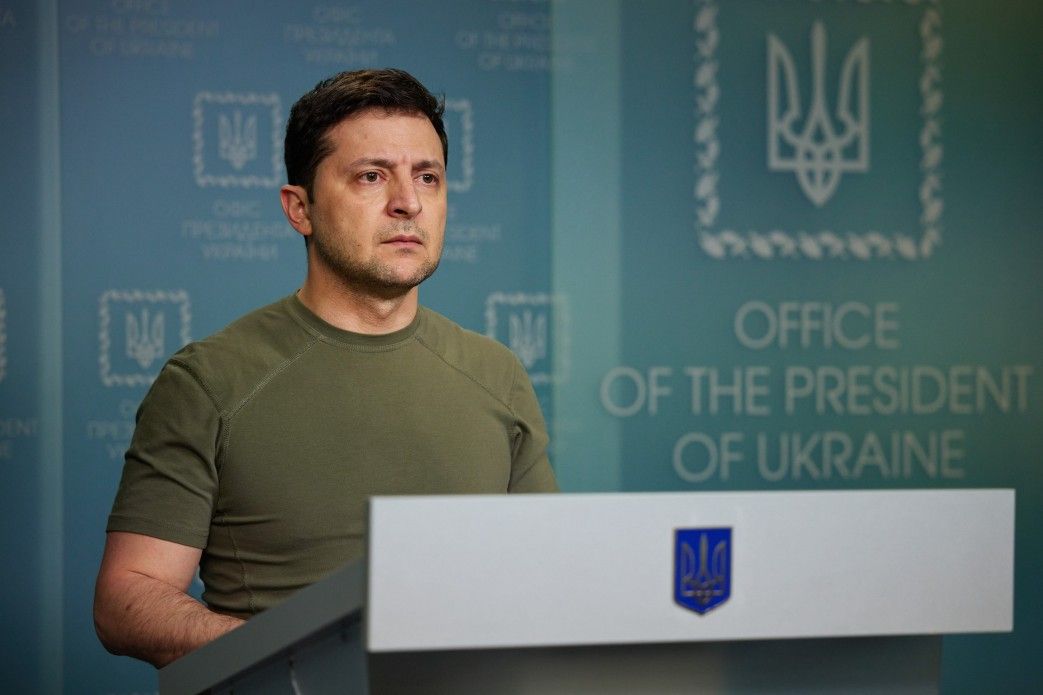
On one hand, postponing elections is a practical necessity. Organizing nationwide voting while parts of the country remain under attack or occupation is nearly impossible. On the other, a prolonged delay in democratic processes risks weakening Ukraine’s image as a free and democratic state. If elections do not take place soon, opposition groups could use the situation to challenge Zelensky’s legitimacy, further dividing the country.
Amidst Ukraine’s internal debate, Russia has attempted to seize control of the narrative. Moscow has floated proposals suggesting that Ukraine be placed under a temporary UN-led administration to oversee elections. While framed as a measure to ensure fair democratic processes, Ukrainian officials have dismissed the idea as a thinly veiled attempt to undermine the country’s sovereignty.
Such a move would not only be a direct challenge to Kyiv’s authority but could also serve as a tactic to stall military operations, allowing Russian forces to regroup under the pretense of an electoral pause. Zelensky’s administration has made it clear that Ukraine will not accept any foreign intervention in its democratic processes, particularly not from a nation actively waging war against it.
As Ukraine grapples with these challenges, its Western allies are divided on how to approach the question of elections. Some argue that democratic continuity is crucial in maintaining Ukraine’s credibility on the world stage. Others worry that holding elections in the middle of a war could weaken the country’s leadership and create openings for internal and external destabilization.
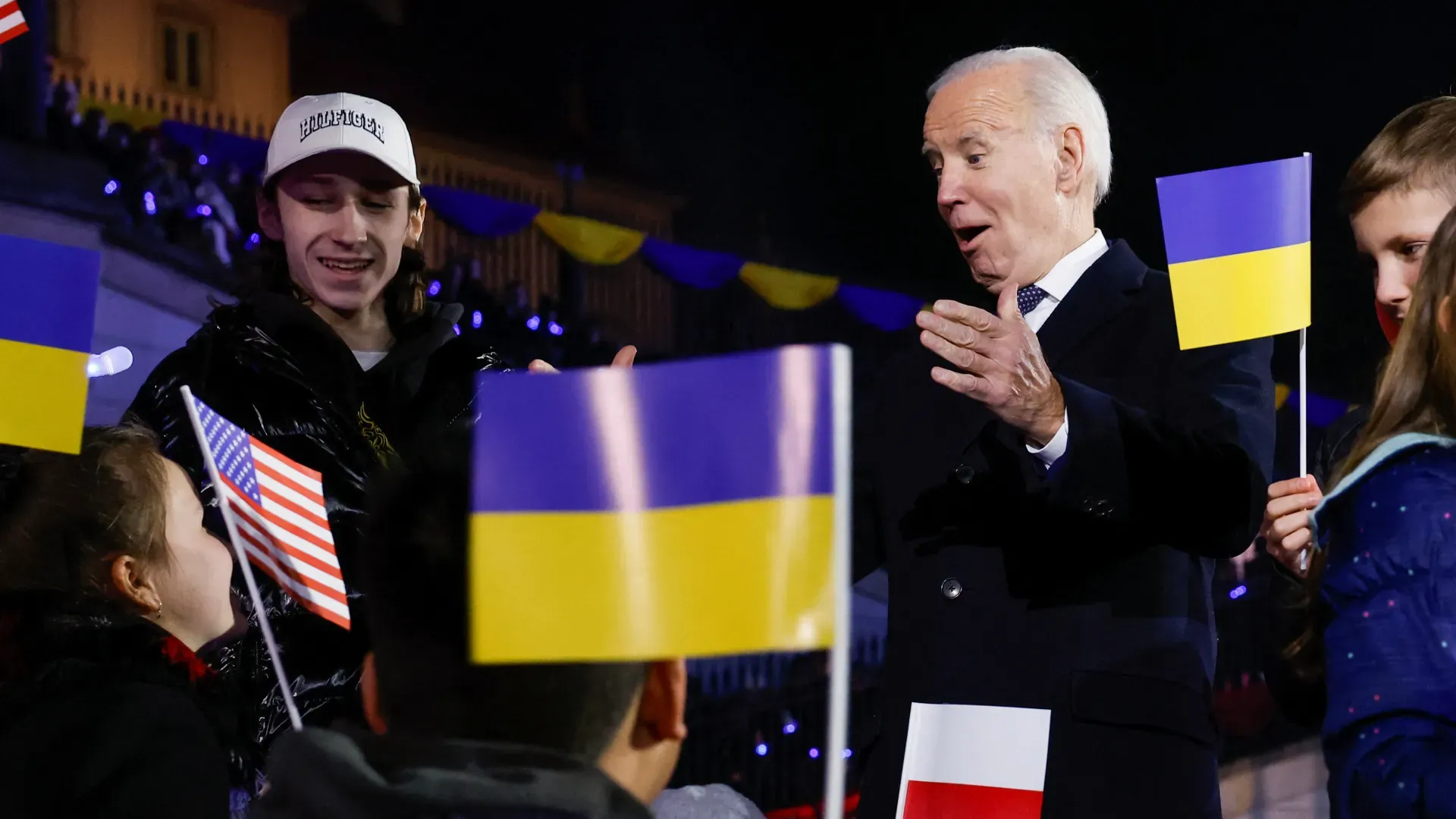
The United States, a key supporter of Ukraine’s war effort, has exerted diplomatic pressure to accelerate a ceasefire, partially linking it to economic policies that target Russian oil exports. This adds another layer of complexity. If Kyiv were to move toward elections, would it be out of genuine democratic interest, or due to external pressure from allies hoping for a political resolution to the war?
Amidst these uncertainties, Zelensky’s government has introduced a ten-point Resilience Plan aimed at guiding the country through the transition from war to peace. While the details remain broad, the plan underscores the government’s commitment to stability and reconstruction before any elections take place. The strategy includes strengthening security, rebuilding war-torn regions, and ensuring that displaced citizens can return before casting their votes.
This plan is seen as a necessary step toward preventing a rushed election that could further divide the nation. Instead of focusing on immediate political battles, Zelensky aims to present a vision of unity and national recovery.
Even if martial law were lifted and a vote scheduled for the summer, logistical challenges would abound. Millions of Ukrainians remain displaced, either in occupied territories or abroad. Ensuring their ability to vote would be a near-impossible task. Security would also be a major concern, as any election process could become a target for Russian attacks.
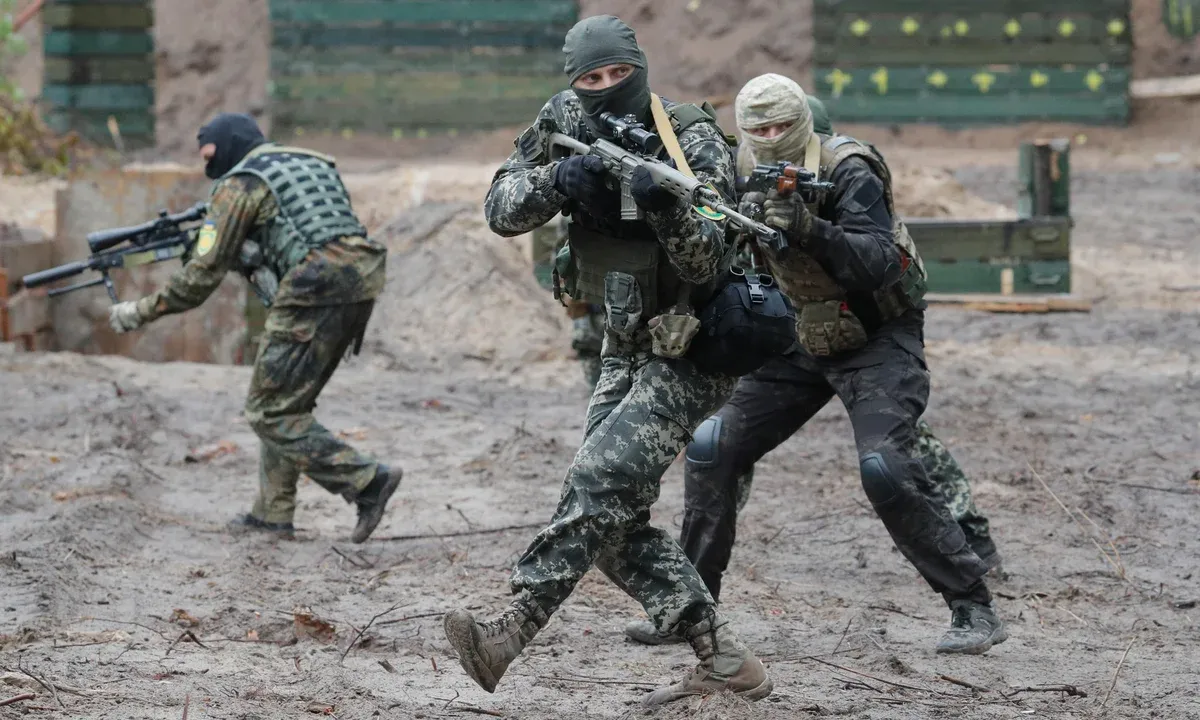
There is also the question of fairness. In times of war, political campaigns become difficult, as free speech is often restricted for national security reasons. Opposition voices may struggle to be heard, and holding elections under such conditions could be seen as more symbolic than truly democratic.
For now, the Ukrainian president has remained cautious, stating that elections are only possible if martial law is lifted. However, as international pressure mounts and internal political dynamics shift, Zelensky may find himself in a difficult position. Does he wait for an elusive just peace before allowing elections, or does he take a calculated risk and move forward with a vote under imperfect conditions?
Ultimately, Ukraine’s path forward will depend on how the war unfolds in the coming months. If a significant shift occurs, whether through a ceasefire, military advancements, or diplomatic breakthroughs, Zelensky may be forced to make a decision sooner than expected. Until then, the question of summer elections remains an open-ended and deeply contested issue.






0 comments