
Your Read is on the Way
Every Story Matters
Every Story Matters
The Hydropower Boom in Africa: A Green Energy Revolution Africa is tapping into its immense hydropower potential, ushering in an era of renewable energy. With monumental projects like Ethiopia’s Grand Ethiopian Renaissance Dam (GERD) and the Inga Dams in the Democratic Republic of Congo, the continent is gearing up to address its energy demands sustainably while driving economic growth.
Northern Kenya is a region rich in resources, cultural diversity, and strategic trade potential, yet it remains underutilized in the national development agenda.

Can AI Help cure HIV AIDS in 2025

Why Ruiru is Almost Dominating Thika in 2025

Mathare Exposed! Discover Mathare-Nairobi through an immersive ground and aerial Tour- HD

Bullet Bras Evolution || Where did Bullet Bras go to?
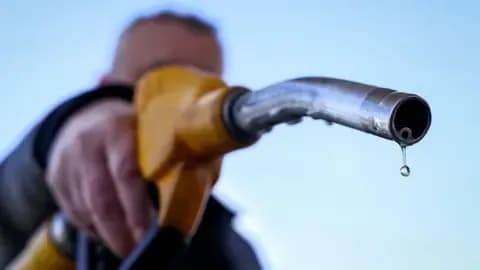
The dramatic increase in fuel prices across the Philippines followed disruptions in global oil supply triggered by the Israeli-US war on Iran. One of the most sensitive pressure points in global energy movement is the Strait of Hormuz, a strategic shipping corridor through which a large share of the world’s oil supply passes. As tensions escalated and shipping uncertainty increased around this route, global oil markets reacted immediately.
Because the Philippines relies heavily on imported petroleum, especially from the Middle East, international price shifts translated quickly into domestic fuel hikes. Within a short period, transport operators, businesses, and households began feeling the strain as fuel became significantly more expensive than before the conflict intensified.
Public transport workers were among the earliest and most visibly affected groups. Jeepney drivers, bus operators, and delivery service providers reported that operating costs had nearly doubled, making daily work increasingly unsustainable. In many cases, drivers were forced to reduce routes or temporarily suspend operations because earnings could no longer cover fuel expenses.
The disruption extended beyond drivers themselves. Commuters also experienced higher fares, longer waiting times, and fewer transport options, especially in densely populated urban centers where public transport is essential for daily movement.
In response to mounting pressure, the national government declared an energy emergency to coordinate supply management and prevent further disruption of essential services. This step allowed authorities to monitor fuel distribution more closely while prioritizing key sectors such as food transportation, healthcare logistics, and electricity generation.
Emergency coordination also aimed to stabilize markets and reassure citizens that measures were being taken to prevent shortages from escalating into a broader national crisis affecting multiple sectors of the economy.
The fuel shock quickly began affecting sectors beyond transportation. Electricity generation costs rose as energy providers adjusted to higher fuel inputs, while businesses dependent on logistics experienced increased operating expenses. These changes created ripple effects across food prices, retail goods, and household consumption patterns.
As transport costs increased, inflation risks intensified, placing additional pressure on families already managing rising living expenses. The economic strain made the fuel issue not only a transport concern but a nationwide financial challenge.
The protests highlighted a deeper structural issue facing the Philippines: its strong reliance on imported petroleum. With most of its fuel sourced from overseas markets, the country remains highly vulnerable to international conflicts affecting supply routes and oil-producing regions.
Read this related article: Can Israel and Iran Financially Withstand the Costs of a Full-Scale War?
The crisis has strengthened calls for long-term investment in renewable energy, expansion of strategic reserves, and diversification of energy supply channels to reduce exposure to global geopolitical shocks.
The protests unfolding across the Philippines reflect the real and immediate consequences of global conflict on everyday life. As fuel prices doubled following disruptions linked to the Israeli-US war on Iran, transport workers, businesses, and households found themselves under sudden economic pressure. The situation has not only triggered demonstrations but also revealed the urgent need for stronger energy security strategies to protect the country from similar shocks in the future



0 comments