
Your Read is on the Way
Every Story Matters
Every Story Matters
The Hydropower Boom in Africa: A Green Energy Revolution Africa is tapping into its immense hydropower potential, ushering in an era of renewable energy. With monumental projects like Ethiopia’s Grand Ethiopian Renaissance Dam (GERD) and the Inga Dams in the Democratic Republic of Congo, the continent is gearing up to address its energy demands sustainably while driving economic growth.
Northern Kenya is a region rich in resources, cultural diversity, and strategic trade potential, yet it remains underutilized in the national development agenda.

Can AI Help cure HIV AIDS in 2025

Why Ruiru is Almost Dominating Thika in 2025

Mathare Exposed! Discover Mathare-Nairobi through an immersive ground and aerial Tour- HD

Bullet Bras Evolution || Where did Bullet Bras go to?
US President Donald Trump has announced that "many elements" of a ceasefire agreement with Russian President Vladimir Putin have been settled. However, while the claim hints at a possible breakthrough in the Ukraine conflict, Trump also acknowledges that crucial aspects of the deal are still being negotiated. He has expressed optimism about his upcoming phone call with Putin, which is expected to be a pivotal moment in shaping the future of the war.
The details of the potential agreement remain undisclosed, fueling speculation about what compromises might be on the table. With thousands of soldiers dying each week, according to Trump, pressure is mounting to finalize a deal that could end the bloodshed. However, conflicting reports from within the US administration suggest that negotiations may not be as advanced as Trump claims.
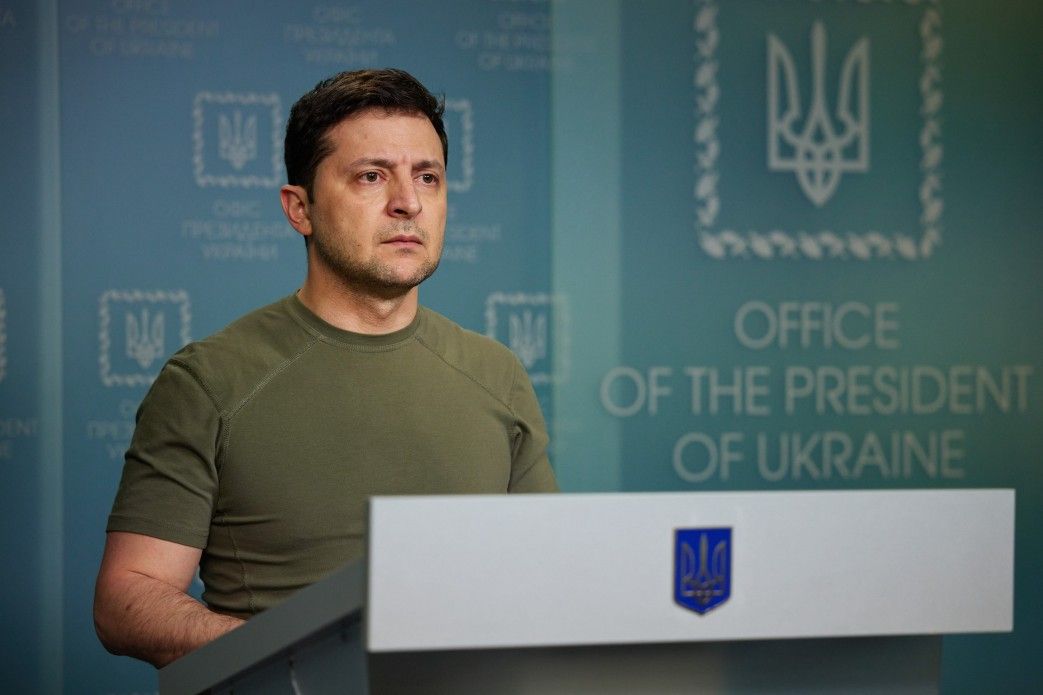
Ukrainian President Volodymyr Zelensky has responded to the news with caution and skepticism. He argues that Russia is deliberately stalling, prolonging the war to strengthen its bargaining position. In his latest address, Zelensky stated, “This proposal could have been implemented long ago,” stressing that every delay results in more lives lost on both sides. For Ukraine, the terms of any ceasefire are critical. The country has fought hard to reclaim occupied territories, and any agreement that involves territorial concessions could be seen as a betrayal. While Ukraine has expressed willingness to negotiate, it remains firm that peace cannot come at the cost of its sovereignty. Zelensky’s government continues to demand that Russia withdraw its forces completely, a condition that Moscow has so far resisted.
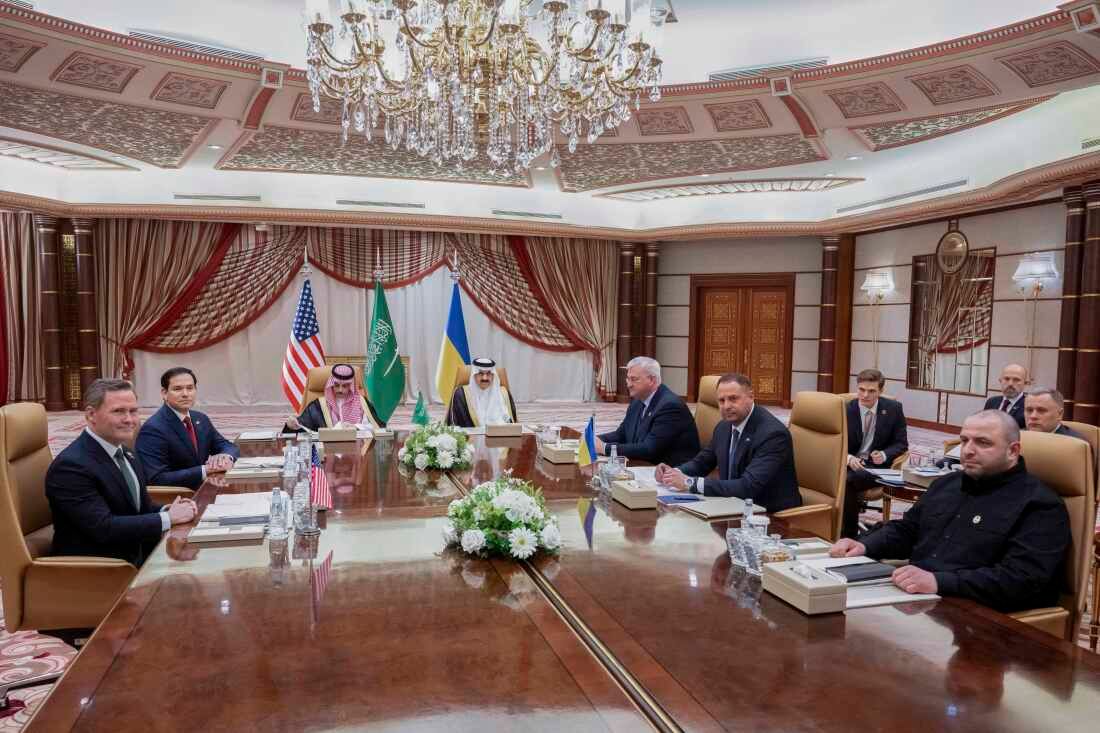
In an effort to broker peace, high-level diplomatic meetings have been taking place in Saudi Arabia. These talks have included representatives from Ukraine, the US, and other international stakeholders. US Secretary of State Marco Rubio has confirmed that discussions have largely revolved around how negotiations should be structured rather than setting concrete terms.
Sources close to the talks suggest that while there is a framework for a possible ceasefire, disagreements persist over key issues such as territorial integrity, security guarantees, and post-war governance. Reports indicate that while Ukraine and its allies are pushing for a settlement that restores pre-war borders, Russia is seeking to retain control over certain occupied territories. Behind closed doors, negotiators have been weighing the cost of compromise against the potential for continued conflict.
European leaders have reacted to Trump’s announcement with a mix of hope and skepticism. French President Emmanuel Macron has publicly praised Zelensky for being open to peace negotiations, but he has also urged Putin to demonstrate a genuine commitment to ending the war. “Enough deaths. Enough destruction. The guns must fall silent,” Macron stated, signaling that France is prepared to support a diplomatic resolution, provided it is fair to Ukraine.
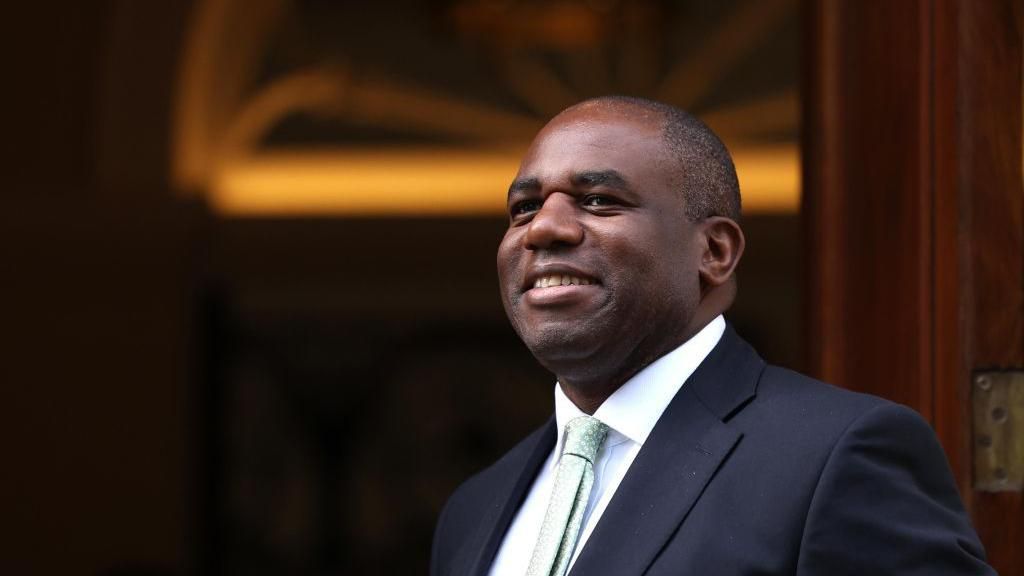
Meanwhile, UK Foreign Secretary David Lammy has taken a firmer stance, warning that Putin has yet to show any real interest in peace. Addressing members of Parliament, Lammy stated that if Russia continues to drag its feet, Western nations have “more cards to play” to pressure Moscow into negotiating in good faith. The international community remains divided on whether Putin is sincere about peace or simply buying time.
One of the most contentious issues in the ongoing negotiations is the status of a nuclear power plant near the Russia-Ukraine border. White House Press Secretary Karoline Leavitt has confirmed that the plant will be a focal point in Trump’s conversation with Putin. While she did not specify which facility, many believe she was referring to the Zaporizhzhia nuclear power plant, the largest in Europe. This plant has been under Russian control since early 2022, and its occupation has raised serious concerns about nuclear safety in the region.
Reports suggest that both sides are discussing the possibility of international oversight to prevent a nuclear catastrophe. However, Russia’s reluctance to relinquish control over the facility has made negotiations difficult. Some analysts warn that the plant could become a bargaining chip in ceasefire discussions, further complicating efforts to reach an agreement.
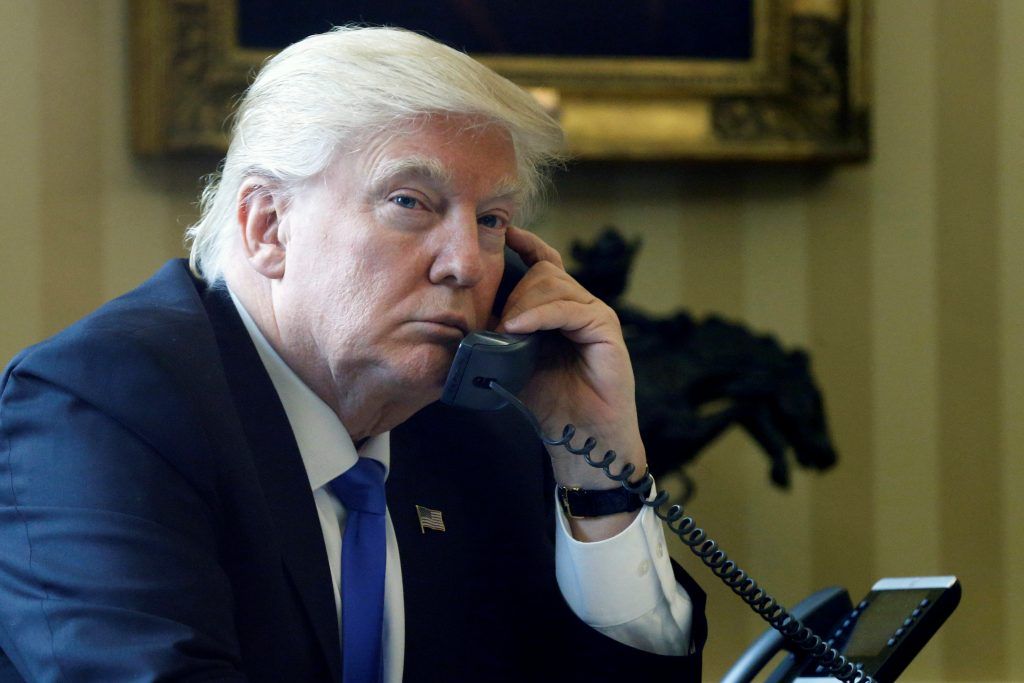
Trump’s recent comments suggest that territorial disputes will be central to any ceasefire agreement. When asked about the ongoing negotiations, he stated, “We’ll be talking about land. We’ll be talking about power plants.” This statement has raised concerns among Ukraine’s allies, as it implies that Trump may be open to territorial compromises. Ukraine has made it clear that it will not accept any agreement that forces it to cede land to Russia. However, Russia is expected to push for recognition of its control over annexed territories. The question of how to enforce a ceasefire along the conflict’s frontlines also remains unresolved.
Some reports indicate that international peacekeeping forces could be deployed, but Russia has expressed strong opposition to NATO troops being stationed in contested areas. This disagreement could become a major sticking point in the negotiations.
Despite expressing support for a ceasefire, Putin has outlined a series of conditions that must be met before Russia agrees to any deal. One of his primary demands is that Ukraine abandon any plans to join NATO. Additionally, he has insisted that security arrangements in Eastern Europe be restructured to limit Western military influence near Russia’s borders. The recent escalation in Russia’s western Kursk region has added another layer of complexity to the talks. Last year, Ukraine launched a military incursion in the region and briefly gained control of some territory.
However, Russia has since regained full control and is unlikely to allow any further territorial concessions in its favor. Putin’s government has also raised concerns about how a ceasefire would be enforced, arguing that any agreement must come with strict monitoring mechanisms. While Russia’s exact terms remain unclear, it is evident that Putin is seeking more than just an end to the war—he wants long-term guarantees that secure Russia’s strategic interests.
Amid these complex negotiations, a temporary ceasefire proposal has been introduced. During last week’s discussions in Saudi Arabia, Ukrainian and US representatives put forward a plan for a 30-day ceasefire, which Ukraine has tentatively agreed to. This proposal is now awaiting Russia’s response. While some view this as a significant step toward peace, others worry that it may simply give Russia time to regroup and launch new offensives. Western leaders have insisted that any ceasefire must come with clear commitments from Russia to de-escalate the conflict permanently.
Newly elected Canadian Prime Minister Mark Carney has echoed this sentiment, stating that “unwavering support” for Ukraine will continue unless Russia makes verifiable moves toward peace. As Trump prepares for his conversation with Putin, the world watches closely, knowing that the outcome could shape the future of the war—or simply prolong it further.






0 comments