
Your Read is on the Way
Every Story Matters
Every Story Matters
The Hydropower Boom in Africa: A Green Energy Revolution Africa is tapping into its immense hydropower potential, ushering in an era of renewable energy. With monumental projects like Ethiopia’s Grand Ethiopian Renaissance Dam (GERD) and the Inga Dams in the Democratic Republic of Congo, the continent is gearing up to address its energy demands sustainably while driving economic growth.
Northern Kenya is a region rich in resources, cultural diversity, and strategic trade potential, yet it remains underutilized in the national development agenda.
Can AI Help cure HIV AIDS in 2025

Why Ruiru is Almost Dominating Thika in 2025

Mathare Exposed! Discover Mathare-Nairobi through an immersive ground and aerial Tour- HD

Bullet Bras Evolution || Where did Bullet Bras go to?
In a political landscape where ambiguity is often policy, Iran’s Supreme Leader Ayatollah Ali Khamenei has taken an unusual step—speaking publicly about negotiations with the United States. He described them as “going well,” a phrase so out of character that it sent ripples through diplomatic circles. But the cautious optimism lasted mere seconds. Just as swiftly, he warned that the talks might lead “nowhere,” deflating any premature sense of progress. These aren’t idle remarks. In Iran’s political hierarchy, Khamenei's words are doctrine, and every phrase is layered with strategy, warning, and sometimes misdirection.
His comment reflects a subtle shift in tone, measured and noncommittal, but significant in the realm of Iranian diplomacy. Rarely does Khamenei offer such transparency, and when he does, it’s designed for both internal and external audiences. Internally, it allows him to show that he isn’t blocking potential openings for progress. Externally, it warns the West, especially the U.S., that Iran remains unyielding when it comes to its sovereignty and ideological boundaries. Even the notion that talks are “going well” is less an invitation to optimism and more a preemptive shield against criticism should the dialogue ultimately collapse.
The discussions Khamenei alludes to are likely happening indirectly, possibly through mediators or backchannels, as both nations remain unwilling to engage directly in a high-profile manner. While the subject matter isn’t explicitly laid out, analysts believe the core issues remain the same: Iran’s nuclear ambitions, U.S. sanctions, and regional stability. These three threads have long defined the conflict and remain unresolved despite years of negotiation, confrontation, and, at times, outright hostility.
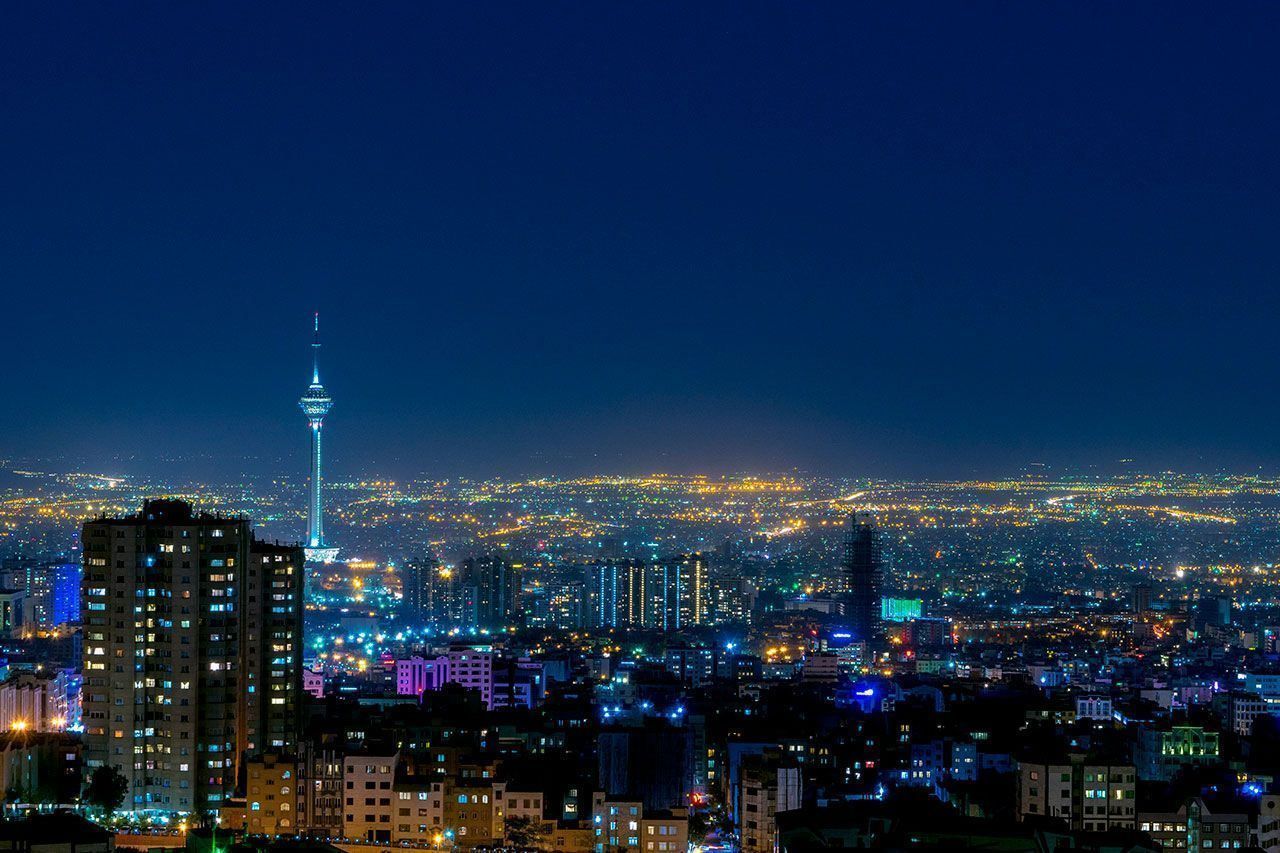
But the mood in Tehran is not entirely uniform. While some factions within the government, particularly those focused on economic recovery, see value in renewed engagement with the West, the dominant conservative establishment views it with suspicion. Many believe that any U.S. overture is ultimately designed to infiltrate or destabilize Iran’s ideological core. That belief is reinforced by decades of coups, sanctions, cyberattacks, and perceived betrayals. Khamenei’s statement, then, serves as both a signal and a safeguard. He opens the door slightly, but makes it clear he controls the handle.
Iran’s economy is under significant strain. Years of sanctions, internal mismanagement, and global isolation have damaged everything from its currency to its ability to attract foreign investment. With inflation high and popular discontent bubbling beneath the surface, the leadership is under growing pressure to find a way out. Even modest sanction relief could provide breathing room. But that relief comes with a cost many within the regime are unwilling to pay, including transparency, concessions, and the potential weakening of state control.
Khamenei’s words reflect this paradox. He understands the need to explore opportunities that might alleviate economic pressure, but he also knows that any engagement with the U.S. could threaten the regime’s narrative of resistance and self-sufficiency. That narrative is not just propaganda, it’s the ideological cement of the Islamic Republic. To unravel it, even slightly, is to invite ideological instability. Thus, while diplomacy may be on the table, it’s heavily monitored, controlled, and designed to protect the sanctity of the revolutionary state.
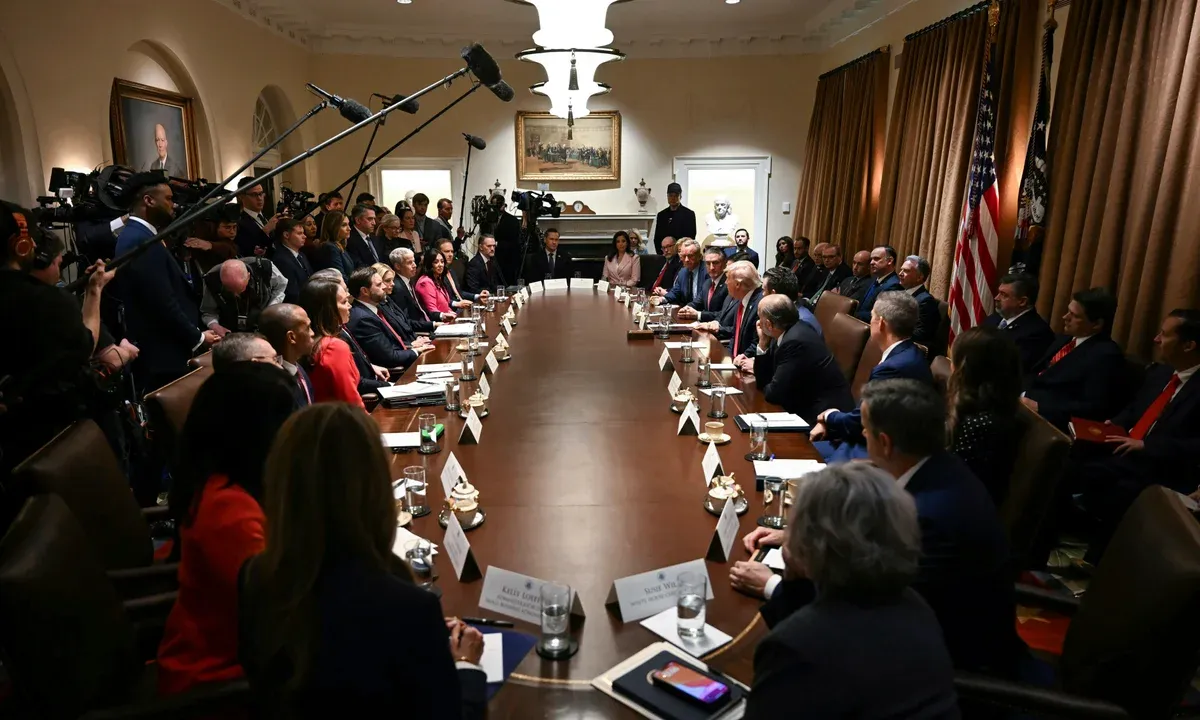
On the other side of the equation, the United States is equally cautious. While the current administration may be open to easing tensions, especially in light of broader geopolitical concerns, domestic politics and strategic alliances limit how far it can go. Any perceived softness on Iran risks political backlash at home and concern among key allies in the Middle East. Furthermore, Washington has grown tired of the cycle: Iran negotiates, promises, retreats, and re-engages only when desperation strikes. This pattern has made many American officials wary of investing too much political capital in a process they believe is designed to buy time, not make change.
In this context, Khamenei’s warning that talks “might lead nowhere” is not just a prediction, it’s a challenge. He’s saying: if you want real progress, you’ll need to prove your intentions through actions, not just words. And even then, it might not be enough.
At its heart, this moment is emblematic of the broader U.S.-Iran relationship, one built not on trust or mutual understanding, but on tactical pauses and strategic tests. Both sides approach diplomacy not as a bridge, but as a battleground. Every handshake is a calculation, every concession a risk. And though Khamenei’s remarks offer a sliver of openness, they are drenched in the knowledge that hope, historically, has been a dangerous thing in this conflict.
The road ahead is unclear. The Supreme Leader has framed the conversation. It is now up to both Tehran and Washington to decide whether this chapter ends like all the others, with posturing, post-mortems, and a return to the familiar hostility, or whether the script finally changes. But if Khamenei’s warning holds true, we may already know the ending.






1 comment
edc001
10mo ago
Splendid. Two Powers who fear each other.