
Your Read is on the Way
Every Story Matters
Every Story Matters
The Hydropower Boom in Africa: A Green Energy Revolution Africa is tapping into its immense hydropower potential, ushering in an era of renewable energy. With monumental projects like Ethiopia’s Grand Ethiopian Renaissance Dam (GERD) and the Inga Dams in the Democratic Republic of Congo, the continent is gearing up to address its energy demands sustainably while driving economic growth.
Northern Kenya is a region rich in resources, cultural diversity, and strategic trade potential, yet it remains underutilized in the national development agenda.

Can AI Help cure HIV AIDS in 2025

Why Ruiru is Almost Dominating Thika in 2025

Mathare Exposed! Discover Mathare-Nairobi through an immersive ground and aerial Tour- HD

Bullet Bras Evolution || Where did Bullet Bras go to?
As the Middle East edges closer to the brink of full-scale war, Russia has stepped forward, offering to mediate between Iran, Israel, and the United States. The announcement signals Moscow’s intent to reclaim its historical role as a power broker in global conflicts—this time amid a storm of missile strikes, retaliatory threats, and rising regional instability.
With tensions between Iran and Israel spiraling after multiple military escalations, and the US tightening its support for Tel Aviv while warning Tehran, the world has grown alarmed at the prospect of a new war front. Now, Russia’s offer could represent a rare opportunity to dial down the heat—if the players involved are willing to talk.
Russia’s move is not purely altruistic. It reflects a calculated geopolitical play, especially as Moscow seeks to expand its influence in a region where American and Western dominance has long gone unchallenged. Positioned with strong ties to both Iran and Israel, Russia sees a diplomatic vacuum and is eager to fill it.
Russia maintains solid diplomatic relations with Tehran, built over years of military coordination in Syria and shared resistance to Western sanctions. On the other side, it has preserved backchannel communications with Israel, despite differences over Ukraine and NATO. This balancing act gives Moscow a unique perch from which to mediate—one that Washington no longer enjoys with Tehran and that regional actors may still trust.
The proposal from Moscow includes the possibility of neutral-host peace talks, potentially to be held in a non-aligned country or even under Russia’s watch in a multilateral setting. Russian officials have hinted that the goal would be to establish immediate ceasefire arrangements and deconfliction mechanisms to prevent accidental or intentional escalation into a regional war.
Such an initiative would need to address a range of flashpoints—from Iran’s missile programs and alleged proxy activities to Israel’s retaliatory operations and the broader US presence in the region. Washington’s role would be critical, not only in supporting Israel but also in determining whether diplomatic channels with Russia are still functional enough to cooperate on peace.
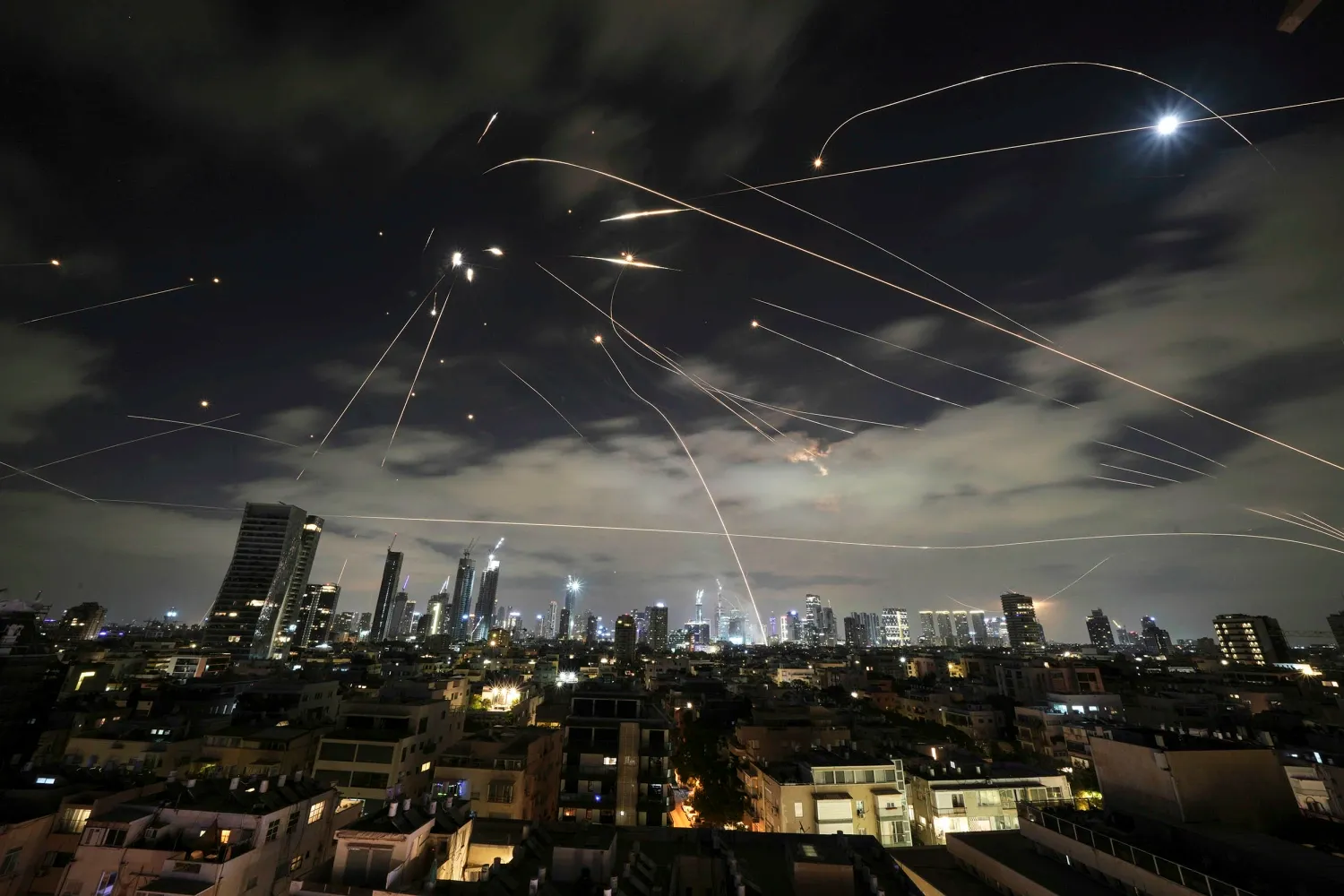
Early international reactions to Russia’s offer have been cautious. Some European diplomats have welcomed the idea of de-escalation, while others remain skeptical of Moscow’s motives. The US, though silent officially, is unlikely to endorse any Russian-led initiative without conditions, especially given the broader backdrop of tensions over Ukraine and global sanctions regimes.
Iran, for its part, has signaled openness to third-party mediation in the past—particularly when involving non-Western powers. Israel remains publicly noncommittal but may weigh its options if the war calculus begins to endanger long-term strategic stability or economic interests.
Russia’s offer isn’t just about diplomacy—it’s about reshaping global power dynamics. As Western influence shows signs of fatigue in key geopolitical theaters, Russia is positioning itself as a peace-seeking alternative. Whether this is credible or opportunistic remains up for debate, but what’s clear is that the Kremlin sees a chance to insert itself into a moment of deep international instability.
This is not the first time Russia has inserted itself into high-risk conflicts. From Syria to Libya and the Caucasus, Moscow has long used crisis diplomacy as a tool for influence. What makes this scenario different is the level of global stakes involved—a conflict between Iran, Israel, and the US would have ripple effects far beyond the Middle East.
Whether Russia's mediation offer becomes a real pathway to peace or another stalled attempt will depend on the willingness of the parties involved to put diplomacy before dominance. With tempers running high and troops on alert, even a temporary ceasefire would be a small but vital win.
But if talks fail—or are rejected outright—the world could witness a dramatic escalation that redraws alliances, risks thousands of lives, and plunges yet another region into long-term instability. Russia has rolled the dice—now the world watches to see who responds.






0 comments