
Your Read is on the Way
Every Story Matters
Every Story Matters
The Hydropower Boom in Africa: A Green Energy Revolution Africa is tapping into its immense hydropower potential, ushering in an era of renewable energy. With monumental projects like Ethiopia’s Grand Ethiopian Renaissance Dam (GERD) and the Inga Dams in the Democratic Republic of Congo, the continent is gearing up to address its energy demands sustainably while driving economic growth.
Northern Kenya is a region rich in resources, cultural diversity, and strategic trade potential, yet it remains underutilized in the national development agenda.

Can AI Help cure HIV AIDS in 2025

Why Ruiru is Almost Dominating Thika in 2025

Mathare Exposed! Discover Mathare-Nairobi through an immersive ground and aerial Tour- HD

Bullet Bras Evolution || Where did Bullet Bras go to?
What began as a steadfast partnership between Kyiv and Washington abruptly crumbled when Donald Trump announced the freezing of U.S. military aid to Ukraine. With the war dragging into its fourth year and battle lines blurring, President Volodymyr Zelensky was left cornered. The weapons had slowed, the diplomatic calls had grown colder, and Europe remained paralyzed in committee meetings. The security umbrella Ukraine once relied on was gone.
But in the face of diminishing options, Zelensky made a radical pivot. If bullets couldn't secure Ukraine's future, maybe business could.
Within hours of Trump’s announcement, Zelensky’s team unveiled an unprecedented counteroffer: Ukraine's vast, untapped mineral reserves in exchange for strategic peace guarantees. Lithium, nickel, titanium—critical elements for powering the global economy—were offered to the U.S. in a bid to keep Kyiv in the game.
"Our minerals are the backbone of tomorrow's industries," Zelensky declared in a national address. "If our allies won't defend our land, perhaps they will defend their investments."
This wasn't just a trade deal—it was survival diplomacy. The idea was simple: tie U.S. economic interests so deeply into Ukraine's soil that Washington couldn’t afford to let the country fall.
Trump, ever the dealmaker, saw opportunity where others saw crisis. Rather than rushing back to restore military aid, he dangled the possibility of U.S.-led peace talks with Moscow. But there was a catch: the minerals deal had to come first.
"Peace through prosperity," Trump mused during a press conference, painting himself as the architect of a new geopolitical order where commerce replaced conflict. To Zelensky, the message was clear—if you want our protection, sign on the dotted line.
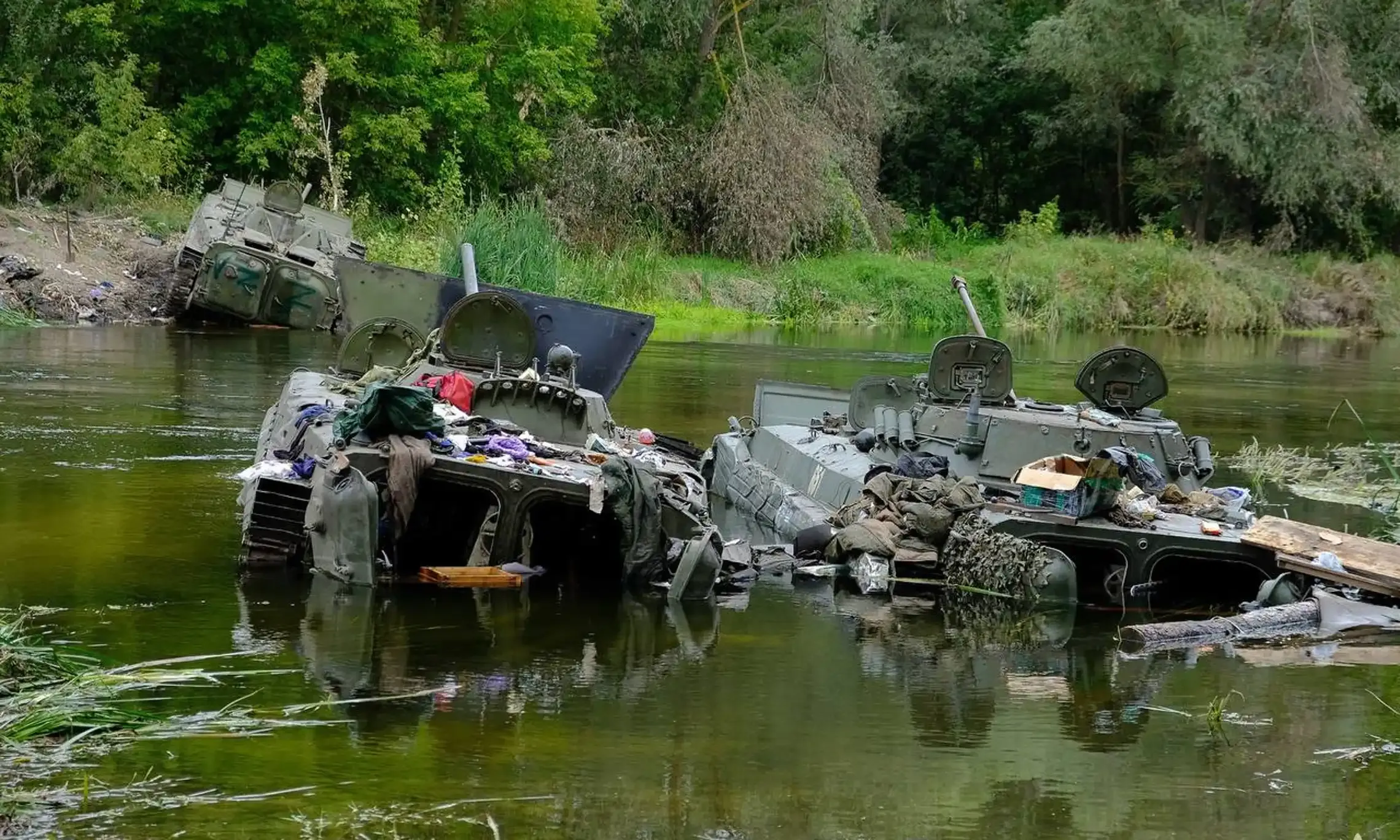
With no better cards to play, Ukraine prepared to hand over decades of resource rights, hoping to purchase more than just profits: they wanted existence itself.
Across the continent, the response was chaos. The European Union scrambled to craft emergency funding packages while leaders from France and Britain floated the idea of dispatching peacekeeping troops to enforce any future truce.
But cracks in solidarity widened. Eastern European nations, feeling exposed, questioned whether the U.S. would abandon them next. Germany convened backroom meetings, wondering if Berlin should begin striking its own deals with Moscow.
"The age of American guarantees may be over," murmured one diplomat at the EU summit.
While leaders schemed and negotiated, ordinary Ukrainians took to the streets. The notion of selling off their natural wealth in exchange for vague promises enraged many. Protesters rallied outside government buildings holding signs that read, “Our land, our future” and “No peace without dignity.”
Veterans of the frontlines expressed particular fury. "We didn’t fight for our country just to see it sold by the pound," said one commander. Yet, as Zelensky’s government saw it, the alternative was worse—abandonment, occupation, and the slow death of a nation.
As negotiations entered their final stages, Russia watched gleefully from the sidelines, convinced that Ukraine's desperation spelled eventual collapse. Kremlin officials mocked the minerals-for-peace initiative, labeling it "the final auction of a failed state."
And yet, in Zelensky's view, this gamble was the only play left. In a world where alliances crumbled and promises faded, turning his nation’s resources into leverage might be the sole path to peace—or at least a prolonged breath before the next storm.
Whether Ukraine can mine its way to survival remains uncertain. But with the world watching and history turning, Zelensky has made his choice.






0 comments