
Your Read is on the Way
Every Story Matters
Every Story Matters
The Hydropower Boom in Africa: A Green Energy Revolution Africa is tapping into its immense hydropower potential, ushering in an era of renewable energy. With monumental projects like Ethiopia’s Grand Ethiopian Renaissance Dam (GERD) and the Inga Dams in the Democratic Republic of Congo, the continent is gearing up to address its energy demands sustainably while driving economic growth.
Northern Kenya is a region rich in resources, cultural diversity, and strategic trade potential, yet it remains underutilized in the national development agenda.

Can AI Help cure HIV AIDS in 2025

Why Ruiru is Almost Dominating Thika in 2025

Mathare Exposed! Discover Mathare-Nairobi through an immersive ground and aerial Tour- HD

Bullet Bras Evolution || Where did Bullet Bras go to?
Skyrocketing Prices, Unlikely Solutions
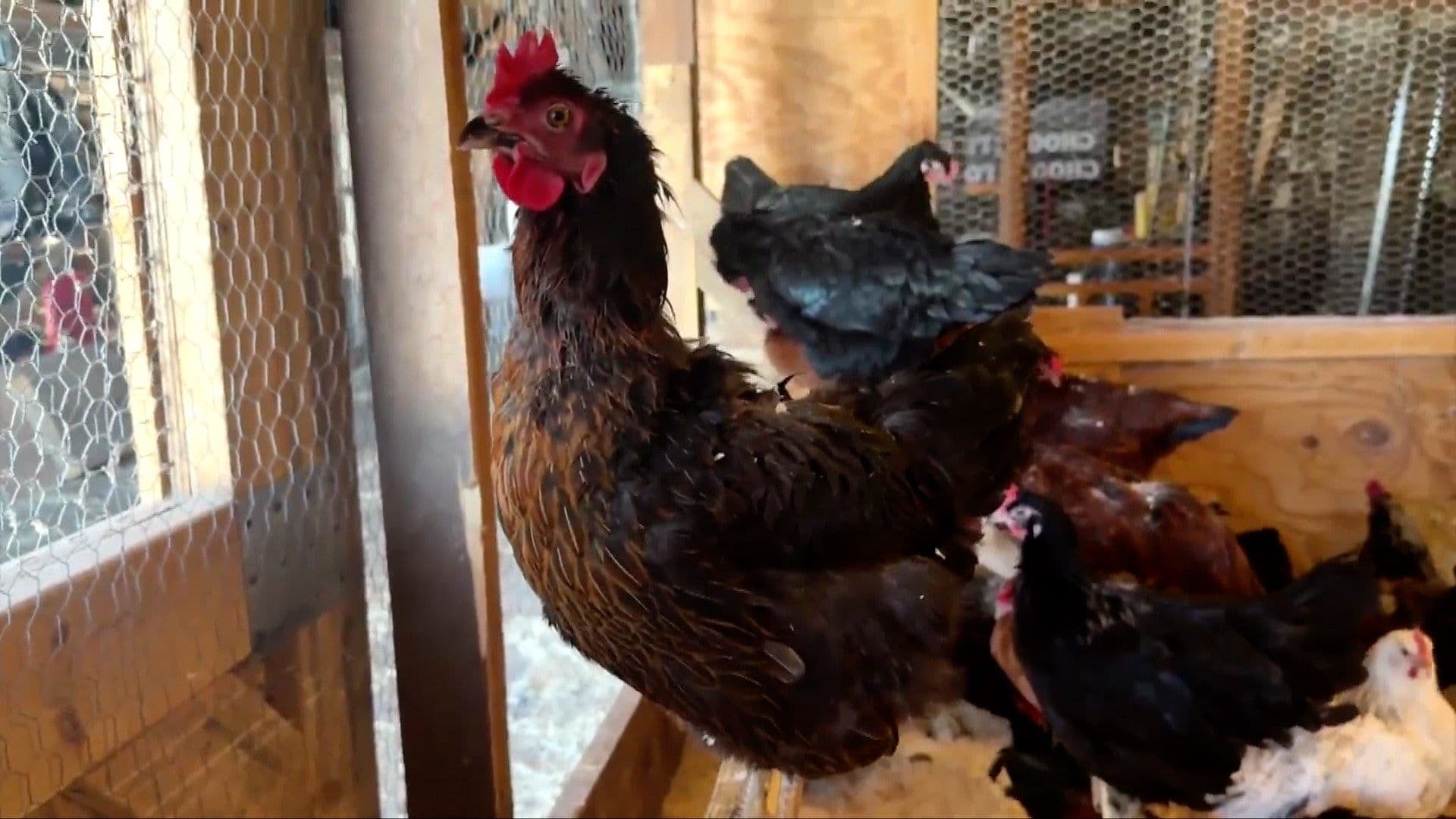
The simple egg—once a kitchen staple—has become a symbol of economic strain in American households. With prices ballooning due to supply chain bottlenecks, avian flu outbreaks, and inflationary pressures, families are scrambling for affordable alternatives. But where most see a crisis, Christine and Brian Templeton saw an opportunity—an innovative, feathery one. From their New Hampshire-based venture, Rent The Chicken, the couple offers an unexpected answer to egg shortages: backyard chicken rentals.
For around $600, the Templetons deliver two hens, feed, a coop, and six months of support straight to a customer’s doorstep. What do you get in return? Roughly a dozen eggs per week—no grocery runs, no price shocks. Just fresh, daily eggs from birds you can name, feed, and bond with. It's agriculture reimagined for the average American household, with the added charm of pet ownership.
What began as a niche business has now taken off, driven by the growing urgency for food independence and the desire for transparency in food sourcing. Many renters, once skeptical, have found themselves emotionally invested in their chickens. In fact, a surprising number of customers choose to adopt the hens permanently at the end of their rental period.
Beyond solving a grocery aisle problem, this quirky trend is building a quiet revolution in American neighborhoods. Backyard coops are sparking local conversations, school projects, community forums, and even neighborhood egg swaps. It’s not just about avoiding expensive eggs—it's about rediscovering self-reliance, teaching kids where food comes from, and building sustainable habits in everyday life.
The Templetons aren’t alone either. Across the country, similar services are emerging, suggesting this is more than a fad—it's a shift in mindset. In a world growing increasingly conscious of environmental impact and food ethics, renting chickens is a grassroots solution grounded in simplicity.
Chicken rentals speak to something deeper than just economics—they tap into a larger conversation around food security, sustainability, and local empowerment. The idea that people can take control of their own food supply, even in a small way, is deeply empowering. It challenges the notion that food must come from industrial systems. Instead, it offers a vision where your breakfast eggs are quite literally laid in your backyard.
For policymakers and sustainability advocates, ventures like Rent The Chicken serve as micro-models of decentralization. If scaled creatively, they could ease pressure on national supply chains, reduce environmental footprints, and promote agricultural literacy among urban and suburban populations.
With the egg shortage acting as a wake-up call, Americans are re-evaluating how food gets from farm to plate. The rise of chicken rentals offers more than a clever workaround—it represents a new direction in food culture, one rooted in sustainability, accountability, and local resilience. The humble hen, once overlooked in the grand narrative of food systems, is now stepping into the spotlight as a small but mighty agent of change.
As backyard coops pop up from New Hampshire to California, it’s clear that this isn’t just about eggs—it’s about reshaping the relationship between consumers and the food they rely on.





0 comments