
Your Read is on the Way
Every Story Matters
Every Story Matters
The Hydropower Boom in Africa: A Green Energy Revolution Africa is tapping into its immense hydropower potential, ushering in an era of renewable energy. With monumental projects like Ethiopia’s Grand Ethiopian Renaissance Dam (GERD) and the Inga Dams in the Democratic Republic of Congo, the continent is gearing up to address its energy demands sustainably while driving economic growth.
Northern Kenya is a region rich in resources, cultural diversity, and strategic trade potential, yet it remains underutilized in the national development agenda.
Can AI Help cure HIV AIDS in 2025

Why Ruiru is Almost Dominating Thika in 2025

Mathare Exposed! Discover Mathare-Nairobi through an immersive ground and aerial Tour- HD

Bullet Bras Evolution || Where did Bullet Bras go to?
Gaza is staring down a brutal child starvation crisis. With supplies of Ready-to-Use Therapeutic Food (RUTF) nearly depleted, United Nations agencies have issued urgent warnings: the essential treatments that keep severely malnourished children alive will be gone by mid-August unless immediate aid arrives.
The stakes are deadly clear. UNICEF has just enough RUTF left to treat 3,000 children. Yet in the first half of July alone, they’ve already treated 5,000 children suffering from acute malnutrition — a sign of how fast hunger is tightening its grip.
These specialized, high-calorie foods — often peanut-based pastes fortified with milk and vital nutrients — are the last line of defense against death for starving children. Without them, the survival window slams shut.
This hunger crisis is not just about shortages — it’s about access. After Israel cut off all supplies to Gaza in March 2024, even the partial lifting of the blockade in May did little to ease the flow of humanitarian aid. Restrictions, inspections, and military controls have slowed or blocked vital deliveries, including food and medical aid.
Though Israeli officials insist they’re letting sufficient supplies through and that aid is being held up due to fears of diversion to militant groups, the reality on the ground paints a darker picture: children are dying while trucks wait at crossings.
The statistics are horrifying. From April to mid-July, over 20,000 children were treated for acute malnutrition. Nearly 3,250 of them were in the most severe, life-threatening condition. That number is three times higher than in the first three months of the year — a sign of catastrophic deterioration.
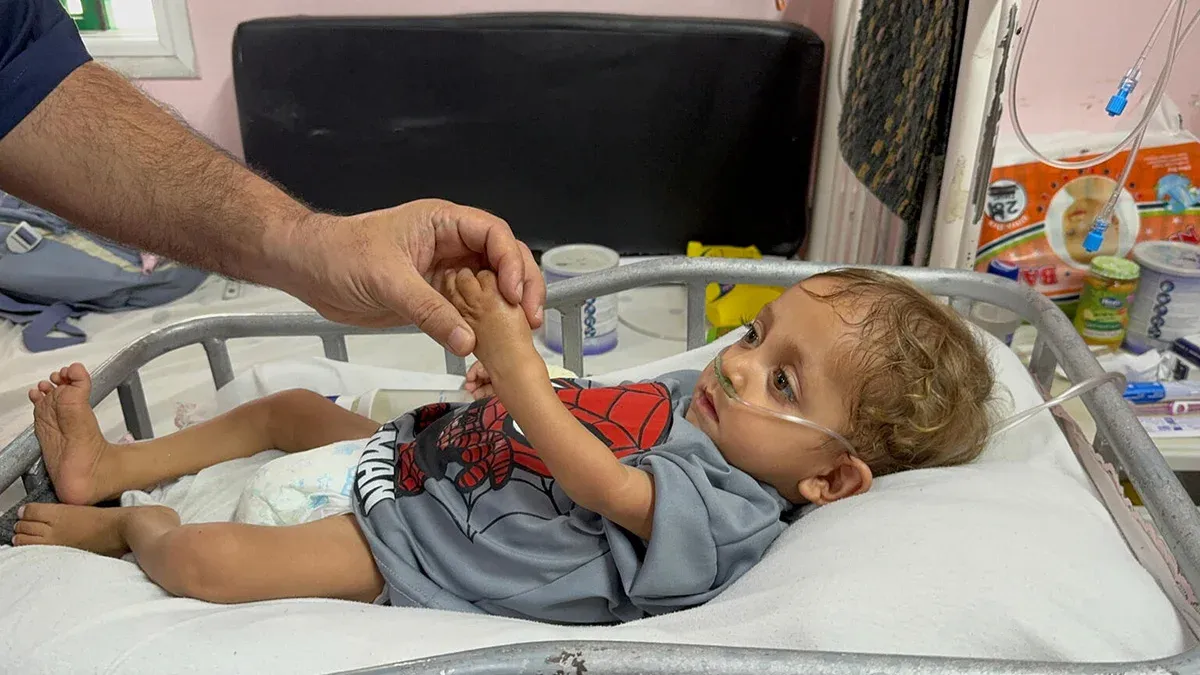
Already this year, 21 children under five have died of hunger, according to the World Health Organization. Gaza’s Health Ministry reports 113 deaths from starvation — most of them in the past few weeks alone.
And the death toll will rise. UNICEF, Save the Children, and the WHO are all warning that if their last therapeutic food stores run dry, they will no longer be able to treat the most vulnerable: children, pregnant women, and infants.
Save the Children has been unable to bring in its own therapeutic food since February, relying entirely on UN stocks. Now, even those supplies are on the brink. The organisation warns that when UNICEF’s warehouses go empty, every clinic depending on those supplies will face shutdown.
The WHO has also sounded alarms over its nutrition programs for pregnant women and young children, many of which may be suspended within days due to lack of supplements.
This is not a natural disaster. This is a crisis created and sustained by blockades, politics, and inaction.
Without immediate and unrestricted access to Gaza for humanitarian agencies, without a surge of therapeutic food and medical aid, the world will witness the preventable deaths of thousands of children.
The international community is now being forced to answer a grim question: how many starving children will it take before aid is allowed to move freely?






0 comments