
Your Read is on the Way
Every Story Matters
Every Story Matters
The Hydropower Boom in Africa: A Green Energy Revolution Africa is tapping into its immense hydropower potential, ushering in an era of renewable energy. With monumental projects like Ethiopia’s Grand Ethiopian Renaissance Dam (GERD) and the Inga Dams in the Democratic Republic of Congo, the continent is gearing up to address its energy demands sustainably while driving economic growth.
Northern Kenya is a region rich in resources, cultural diversity, and strategic trade potential, yet it remains underutilized in the national development agenda.

Can AI Help cure HIV AIDS in 2025

Why Ruiru is Almost Dominating Thika in 2025

Mathare Exposed! Discover Mathare-Nairobi through an immersive ground and aerial Tour- HD

Bullet Bras Evolution || Where did Bullet Bras go to?
On August 27, U.S. President Donald Trump’s steep 50% tariffs on India officially took effect. The penalties, announced weeks earlier through an executive order, came on top of an additional 25% levy imposed over India’s purchases of Russian oil and weapons. With this move, India – once America’s key Indo-Pacific partner – now faces some of the harshest tariffs in the world.
The U.S. was until recently India’s largest trading partner, and the new restrictions threaten to disrupt the country’s export-driven economy, affecting sectors from textiles and diamonds to seafood.
Prime Minister Narendra Modi has moved swiftly into damage control. From the Red Fort on Independence Day, dressed in his signature saffron turban, Modi urged citizens to embrace “Swadeshi” (Made in India) products and display them proudly in their stores.
“We should become self-reliant – not out of desperation, but out of pride,” Modi declared, warning against global “economic selfishness” while vowing that India would not be held hostage by others’ policies.
To counter the economic blow, Modi has promised sweeping tax cuts. After announcing a $12 billion income tax giveaway in the 2025 budget, his government is now working on a major overhaul of the Goods and Services Tax (GST).
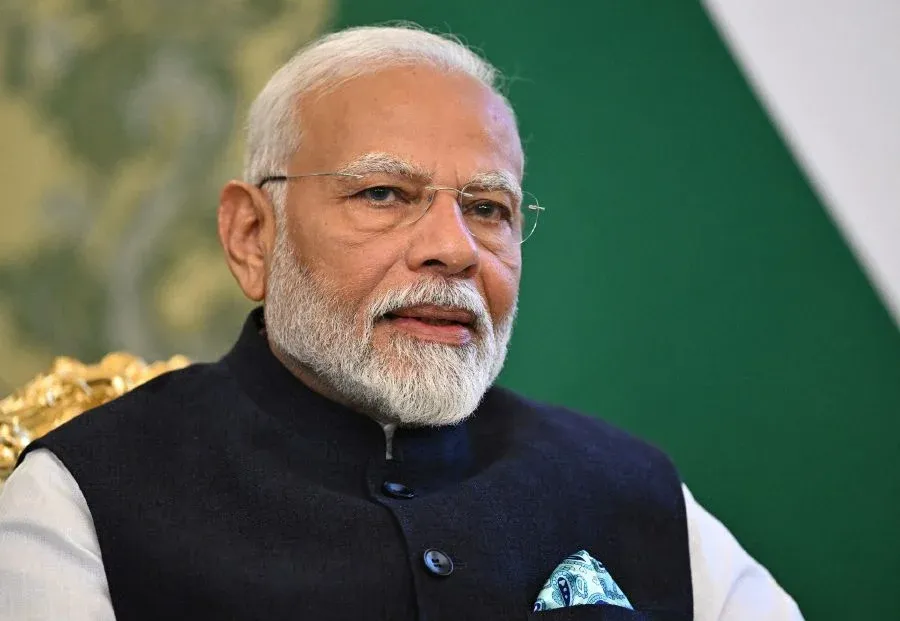
GST was introduced in 2017 to simplify India’s tax structure, but its numerous thresholds and exemptions have made it complex. The government now plans to simplify it into a two-tier system, potentially worth $20 billion in relief. Analysts believe this could immediately boost private consumption, which makes up nearly 60% of India’s GDP.
Experts argue that a reduction in GST will provide stronger stimulus than previous corporate and income tax cuts. UBS noted that such reforms “directly affect consumption at the point of purchase,” encouraging households to spend more.
According to Morgan Stanley, the fiscal stimulus will help India recover domestic demand, ease inflationary pressures, and stabilize growth at a time when exports are under heavy strain from tariffs. Sectors such as scooters, garments, cement, and consumer goods are expected to benefit most, especially with Diwali spending on the horizon.
Despite Modi’s push for “Make in India” and self-reliance, manufacturing still contributes only around 15% of India’s GDP. Sustained reforms, combined with tax relief, will be necessary to reduce dependence on exports and build resilience against global trade shocks.
India now stands at a crossroads – facing one of the harshest tariff regimes from the U.S., while trying to rally its domestic economy through reforms, consumption, and pride in self-reliance.






0 comments