
Your Read is on the Way
Every Story Matters
Every Story Matters
The Hydropower Boom in Africa: A Green Energy Revolution Africa is tapping into its immense hydropower potential, ushering in an era of renewable energy. With monumental projects like Ethiopia’s Grand Ethiopian Renaissance Dam (GERD) and the Inga Dams in the Democratic Republic of Congo, the continent is gearing up to address its energy demands sustainably while driving economic growth.
Northern Kenya is a region rich in resources, cultural diversity, and strategic trade potential, yet it remains underutilized in the national development agenda.

Can AI Help cure HIV AIDS in 2025

Why Ruiru is Almost Dominating Thika in 2025

Mathare Exposed! Discover Mathare-Nairobi through an immersive ground and aerial Tour- HD

Bullet Bras Evolution || Where did Bullet Bras go to?
When Bashar al-Assad was finally overthrown in December, the exhausted people of Syria dared to dream of peace. Yet just as the dust of civil war began to settle, a darker, more unpredictable enemy emerged—not from foreign shores or rival nations, but from Syria’s own shadowy underworld.
A growing insurgency has exploded across the country's western coastline, driven not by loyalty to Assad, but by a patchwork of former warlords, disbanded militias, and criminal syndicates who have seized upon the power vacuum. In the last two weeks, Latakia, Tartous, and the surrounding mountain regions have become the epicenter of a brutal turf war, with control over smuggling routes, weapons caches, and strategic ports at stake.
In the absence of Assad’s iron grip, the old networks of profiteers—smugglers, arms dealers, and tribal strongmen—have resurfaced with a vengeance. What began as scattered raids on supply trucks has spiraled into a full-scale insurgency. Entire sections of the Latakia mountains are now controlled by these so-called "Coastal Cartels," armed with leftover military equipment and funded by the lucrative black market economy.
Government convoys have been ambushed, supply lines severed, and transitional government officials openly targeted. In Tartous, a newly appointed governor barely escaped an assassination attempt when his motorcade was bombed en route to the city center.
"The war never ended for these people," says a local shopkeeper in Latakia, who refused to give his name for fear of reprisals. "When the government collapsed, they saw their chance. They don’t want democracy. They want control."
What makes this new conflict especially deadly is the quiet support the insurgents are receiving from within the transitional government itself. Reports have emerged of commanders defecting to join the cartels, bringing valuable intelligence and military tactics with them. Some of these defectors were former Assad officers who initially pledged allegiance to the new regime but found greater profit in rebellion.
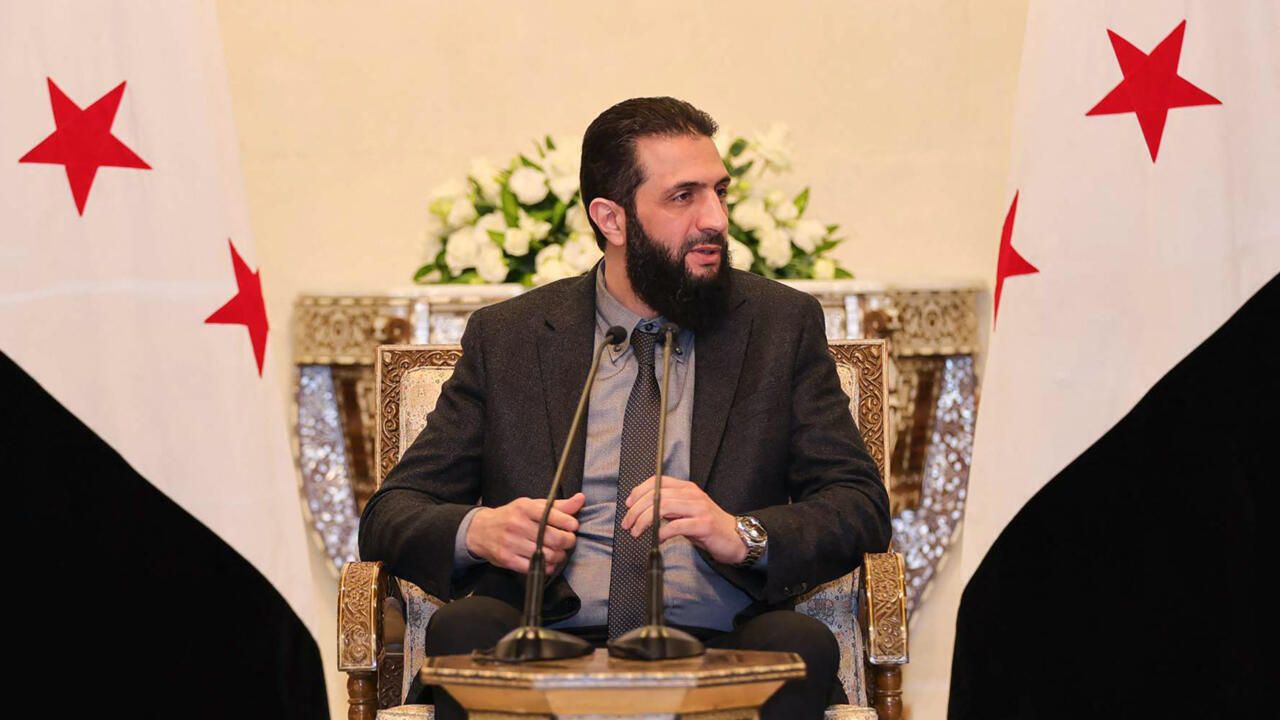
Interim president Ahmed al-Sharaa now finds his government riddled with double agents. "We are fighting ghosts," an official from the Ministry of Defense admitted anonymously. "By day, they wear our uniform. By night, they plot against us."
This has led to devastating ambushes, with government forces walking into traps laid by men they once called brothers-in-arms. Entire battalions have been wiped out on the narrow mountain roads leading into rebel-held zones.
For ordinary Syrians, the coastal insurgency has unleashed a new nightmare. Latakia and Tartous, once safe zones in the years of the civil war, are now battlegrounds. Markets are deserted, schools shuttered, and hospitals overwhelmed. Curfews have been imposed, but few feel safe enough to sleep through the night.
In rural villages near the frontlines, people speak of armed gangs forcing families from their homes and turning them into makeshift fortresses. Others report kidnappings for ransom, with victims held deep in the mountain caves, guarded by former soldiers now working as mercenaries.
"I have lost count of how many nights we’ve spent hiding in our basement," says Fatima, a mother of three from the outskirts of Jableh. "We thought the worst was over when Assad fled. Now, we realize the worst may still be coming."
Despite the escalating violence, the international community has remained largely silent. With global attention focused on rebuilding diplomatic ties with Syria's new leadership, few have acknowledged the growing insurgency tearing the country apart.
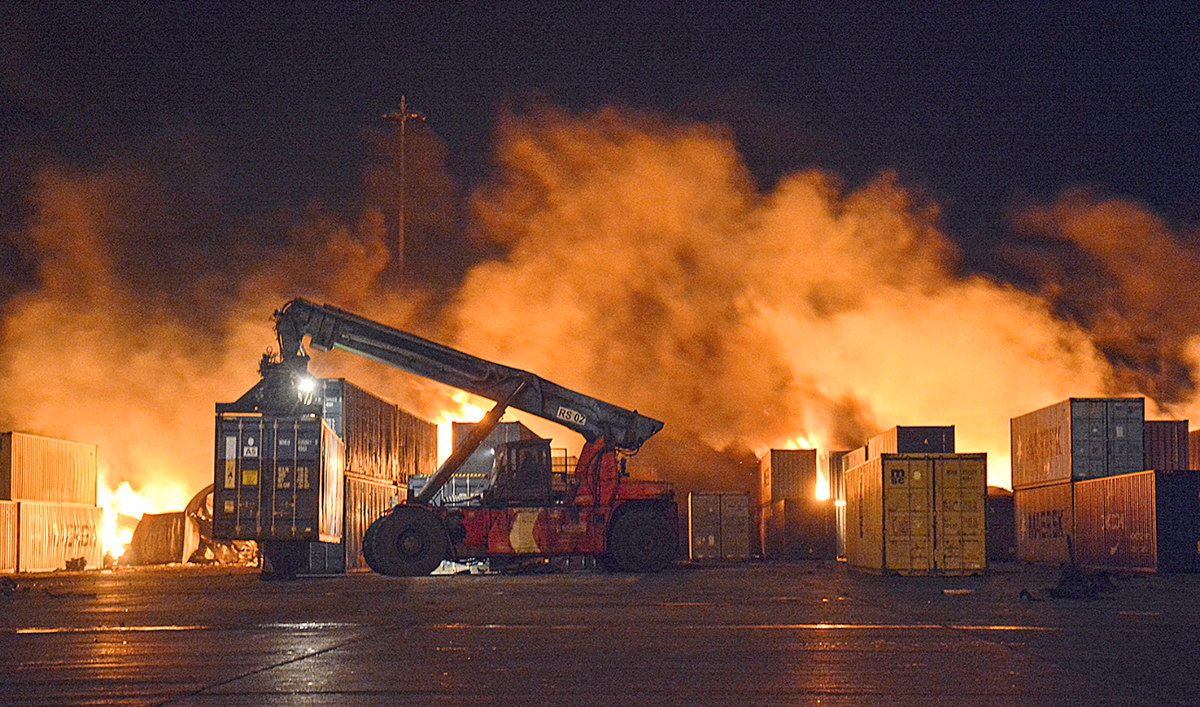
Western governments, eager to support the post-Assad transition, have been reluctant to criticize the interim administration’s inability to control the region. Meanwhile, Syria’s neighbors watch nervously, fearing the instability may spill across their borders, reviving old tensions.
As the insurgency grows, some Syrians have begun to question whether the revolution was ever truly won. The dream of a unified, democratic Syria is quickly being replaced by the grim reality of a fractured land where power belongs not to the people, but to whoever holds the most guns.
Ahmed al-Sharaa remains publicly optimistic, recently promising a nationwide reconciliation plan to integrate rogue militias into the national army. But few believe such peace is possible when the profits of war are so high.
"We traded one set of tyrants for another," says Sami, a teacher from Homs who recently fled to Latakia. "Except now, there are hundreds of them. And they’re fighting over what's left of us."
As spring approaches, Syria faces a chilling question: can a nation born from revolution survive when its greatest threat comes from the very people who fought to save it?





0 comments