
Your Read is on the Way
Every Story Matters
Every Story Matters
The Hydropower Boom in Africa: A Green Energy Revolution Africa is tapping into its immense hydropower potential, ushering in an era of renewable energy. With monumental projects like Ethiopia’s Grand Ethiopian Renaissance Dam (GERD) and the Inga Dams in the Democratic Republic of Congo, the continent is gearing up to address its energy demands sustainably while driving economic growth.
Northern Kenya is a region rich in resources, cultural diversity, and strategic trade potential, yet it remains underutilized in the national development agenda.

Can AI Help cure HIV AIDS in 2025

Why Ruiru is Almost Dominating Thika in 2025

Mathare Exposed! Discover Mathare-Nairobi through an immersive ground and aerial Tour- HD

Bullet Bras Evolution || Where did Bullet Bras go to?
Inside Juba’s Unfolding Drama: Beyond the Headlines
South Sudan’s capital hums with the familiar tension of political maneuvering—but May 2025 may go down as more than just another chapter in the nation’s turbulent story.
In what many are calling an unexpected détente, President Salva Kiir has appointed long-time rival Dr. Lam Akol Ajawin as Transport Minister. On the surface, it’s a bold nod to political inclusivity. But beneath the gesture, some analysts suspect a strategic chess move designed to fracture the opposition or neutralize dissent from within.
Dr. Akol, a seasoned figure with deep roots in South Sudanese politics, isn’t just any rival—he’s a symbol of the countercurrent. His return to government after a prolonged absence suggests either a genuine realignment or a precarious attempt by Kiir to paper over growing fissures within the transitional government. Could this signify a new era of pragmatic coalition-building, or are we watching a tactical gambit to delay deeper collapse?
River of Hunger: The Humanitarian Chokehold
While politicians maneuver in air-conditioned rooms, tens of thousands of children in Upper Nile State are on the brink of starvation. Fighting has intensified along the Nile River, blocking the arteries of humanitarian aid. River barges loaded with life-saving nutrition packets remain docked, while communities—many already displaced—watch hope drain away with the current.
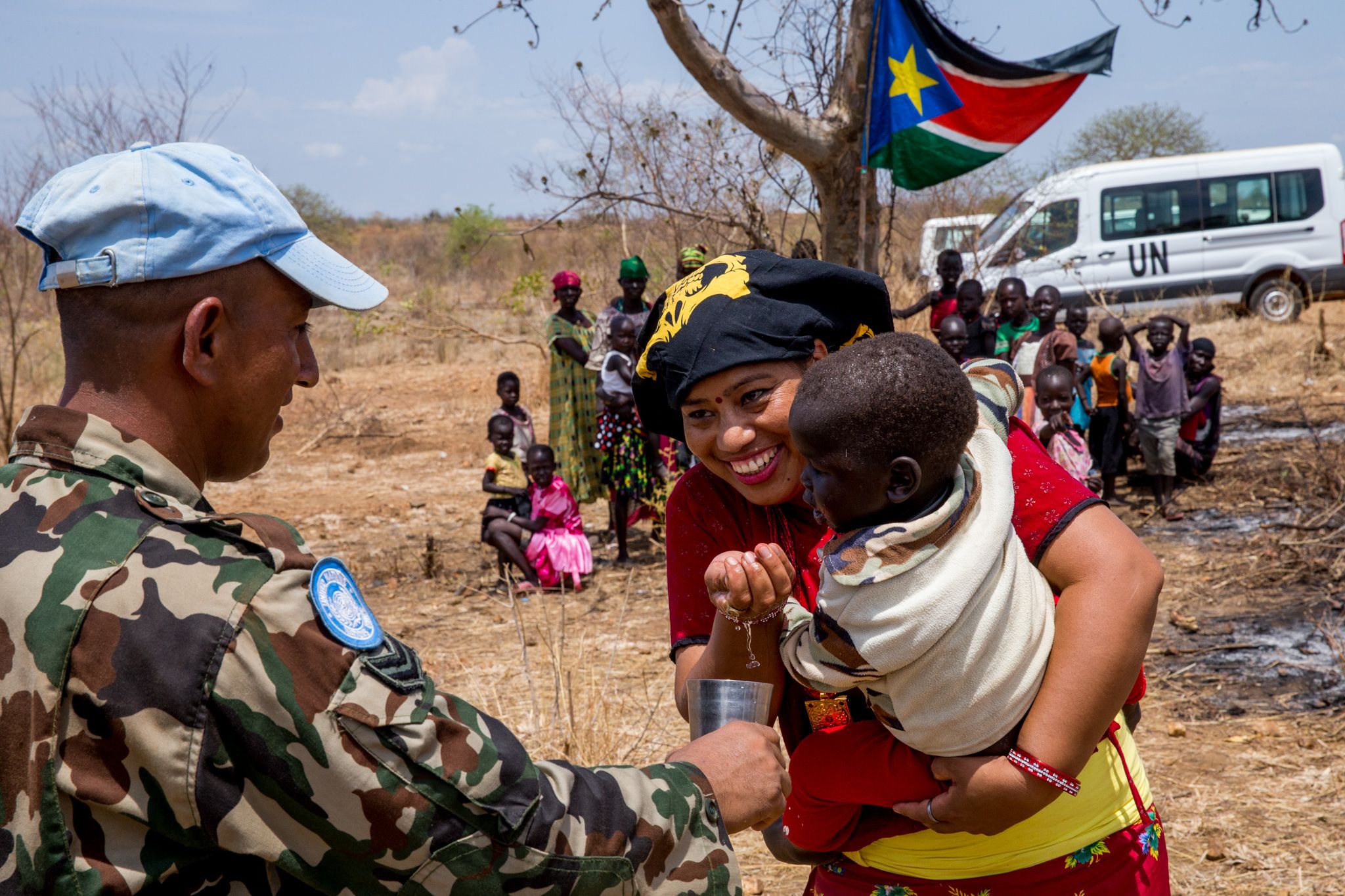
The World Food Programme and UNICEF have issued grim warnings: by the end of May, malnourishment could become irreversible for many if deliveries don’t resume.
What’s worse, there's increasing suspicion that these blockades are not just collateral damage from factional skirmishes, but deliberate tactics by militias to leverage international attention or punish adversaries. The notion that hunger might now be weaponized sends chills through aid corridors and diplomatic circles alike.
UN’s Extended Stay: Saviors or Spectators?
In New York, the Security Council moved swiftly to extend the mandate of UNMISS (United Nations Mission in South Sudan). While framed as a commitment to peace, the extension is also a signal: international confidence in Juba’s ability to secure its own peace remains shaky at best.
There’s speculation the UN is bracing for renewed violence, especially in flashpoint regions where ceasefire violations have become routine. With troop rotations quietly increasing and intelligence sharing with NGOs ramping up, insiders whisper that UNMISS is preparing not just to monitor—but possibly to act.
Africa’s Diplomatic Balancing Act
The African Union and IGAD recently concluded a high-profile visit to Juba, issuing calls for inclusive governance, peace, and accountability. Yet, behind closed doors, frustrations are mounting. Regional leaders fear being dragged into another prolonged crisis—one with economic and refugee spillovers they can ill afford.
Their emphasis on "inclusive dialogue" may be masking a deeper concern: that South Sudan’s unity government is increasingly an illusion, held together by foreign pressure rather than mutual trust. With Sudan to the north unraveling and Ethiopia facing its own internal tremors, South Sudan could become the epicenter of East Africa’s next geopolitical rupture.
The Embargo Question: Preparing for the Worst?
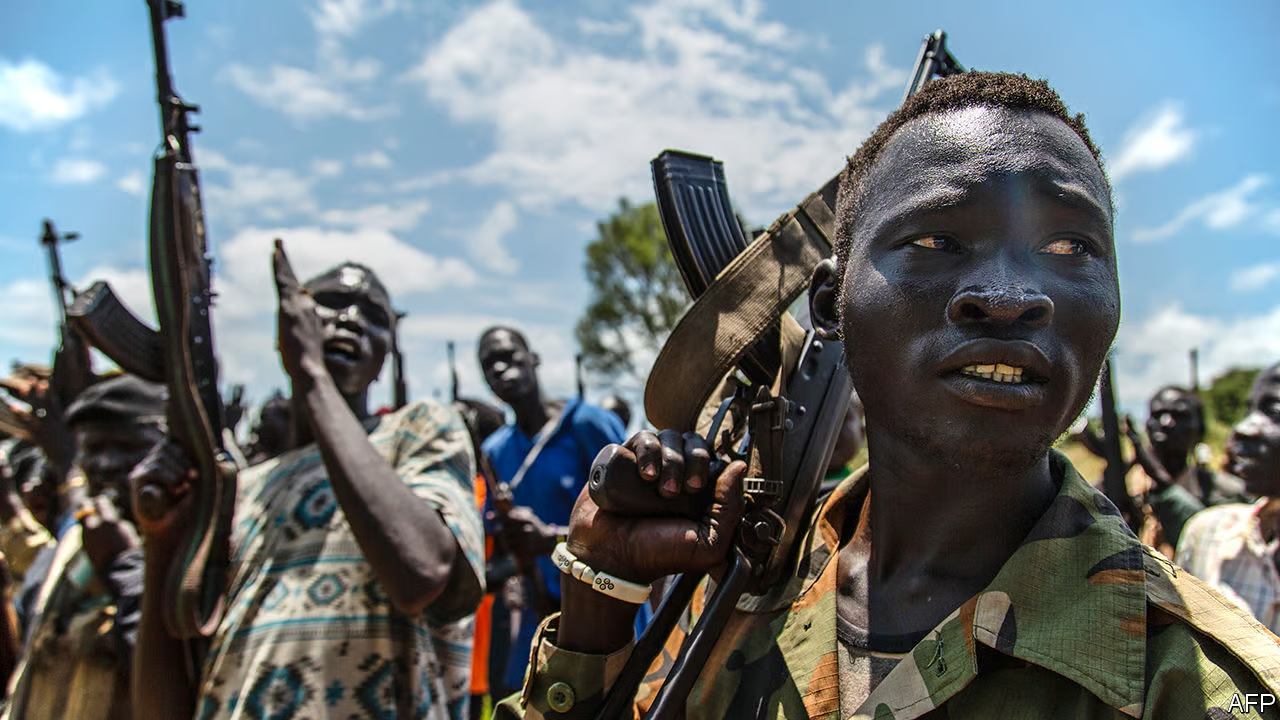
The UN Security Council is actively revisiting the arms embargo on South Sudan—a move that Amnesty International and others have championed amid a worrying rise in local militias’ activity. But critics warn that even a renewed embargo may do little to stop illicit arms flow across porous borders.
What’s telling is the timing. Military analysts are observing an uptick in organized militia movements, and some regional intelligence suggests weapons caches are being repositioned. Could we be seeing preparations for a larger confrontation, or is it defensive posturing in a climate of deep mistrust?
A Nation at the Crossroads—Again
South Sudan, born in hope in 2011, is once again a nation balanced between the promise of reform and the peril of regression. The return of Dr. Lam Akol to government could herald a new dawn—or trigger a dangerous power struggle. The humanitarian crisis threatens to explode into international scandal, while behind every political handshake lies the shadow of betrayal.
The coming weeks may determine whether Juba stabilizes into a functional capital or devolves into a fragmented stronghold of rival power brokers. Speculation is rife that international donors are preparing for a worst-case scenario. And with the region watching anxiously, one question echoes across the corridors of power and refugee camps alike:
Is South Sudan finally ready to choose peace—or is it merely rehearsing its next descent into chaos?






0 comments