
Your Read is on the Way
Every Story Matters
Every Story Matters
The Hydropower Boom in Africa: A Green Energy Revolution Africa is tapping into its immense hydropower potential, ushering in an era of renewable energy. With monumental projects like Ethiopia’s Grand Ethiopian Renaissance Dam (GERD) and the Inga Dams in the Democratic Republic of Congo, the continent is gearing up to address its energy demands sustainably while driving economic growth.
Northern Kenya is a region rich in resources, cultural diversity, and strategic trade potential, yet it remains underutilized in the national development agenda.

Can AI Help cure HIV AIDS in 2025

Why Ruiru is Almost Dominating Thika in 2025

Mathare Exposed! Discover Mathare-Nairobi through an immersive ground and aerial Tour- HD

Bullet Bras Evolution || Where did Bullet Bras go to?
The war in Ukraine, now in its fourth year, continues to devastate lives and territories. While the global community has voiced unwavering support for Ukraine, there are growing concerns over the long-term consequences of the conflict. Amid the escalating violence and ongoing diplomatic deadlock, new proposals are surfacing, raising the question: Could peace be achieved at last?
The situation remains deeply complicated, with entrenched positions on both sides. Ukraine insists on reclaiming all of its occupied territories, including Crimea, while Russia has shown little interest in negotiating terms that would concede any ground. As the conflict rages on, diplomatic efforts have intensified, and there are signs that a fresh approach could be the key to unlocking peace.
International leaders have repeatedly called for a ceasefire and peace talks, but these efforts have often been met with skepticism. Russia, under President Vladimir Putin, has maintained a rigid stance on territorial control, while Ukraine, led by President Volodymyr Zelensky, remains steadfast in its refusal to negotiate over its sovereignty.
Yet, with casualties mounting and the war showing no signs of ending, new diplomatic approaches are being proposed. Some suggest that the time may have come to shift the conversation about Crimea, a region Russia annexed in 2014 and which has remained a point of tension ever since. Proposals now circulate that suggest Ukraine may be open to discussing the fate of Crimea in a peace agreement, raising eyebrows and sparking debate within Ukraine and across the West.
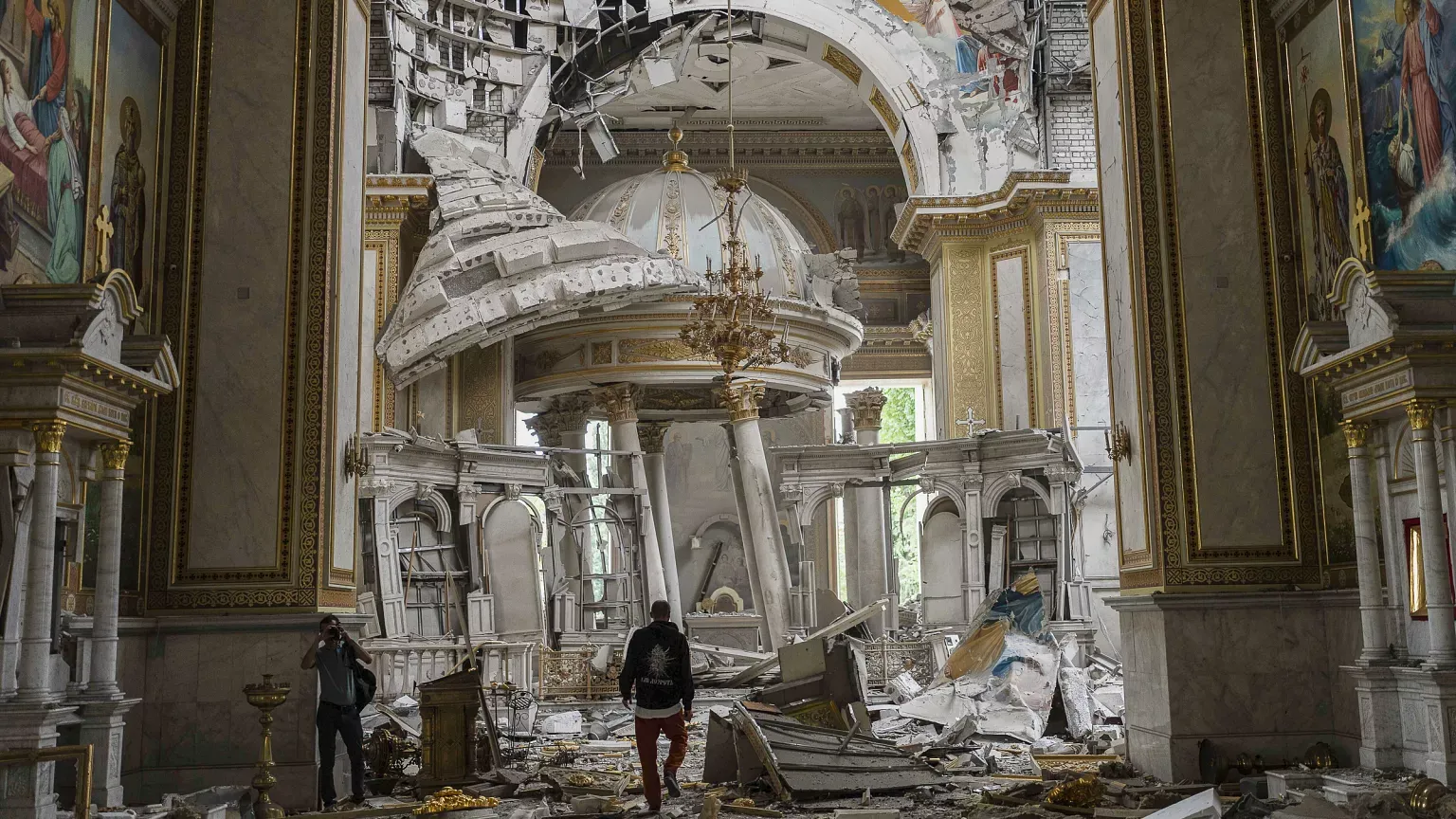
The question of Crimea’s status is arguably the most significant obstacle to any potential peace deal. For Ukraine, Crimea represents not only a strategic and economic asset but also a symbol of national identity and territorial integrity. Losing Crimea would be a major concession that many Ukrainians—and particularly those in the government—are unlikely to accept without significant guarantees.
However, as the war drags on, the pressure for compromise grows. Some analysts argue that Ukraine could be willing to accept a temporary arrangement or a future referendum on Crimea’s status if it means an end to the fighting. While such a move would undoubtedly provoke outrage among nationalist factions, it might also be seen as a pragmatic step toward peace.
For Russia, Crimea is an irreplaceable part of its geopolitical strategy, and Putin’s government has refused to entertain any negotiations on the region's status. The Russian leadership has justified the annexation of Crimea as a historical necessity and has used the region to project power in the Black Sea. Despite this, there are whispers within Russia that the cost of maintaining control over Crimea may eventually outweigh the benefits, especially as international sanctions continue to cripple the economy.
The fundamental question remains whether Russian President Vladimir Putin is genuinely interested in ending the war or if his objectives go beyond territorial acquisition. Putin’s government has repeatedly stated that its aims are to "denazify" and "demilitarize" Ukraine, terms that many Western officials see as pretexts for territorial expansion.
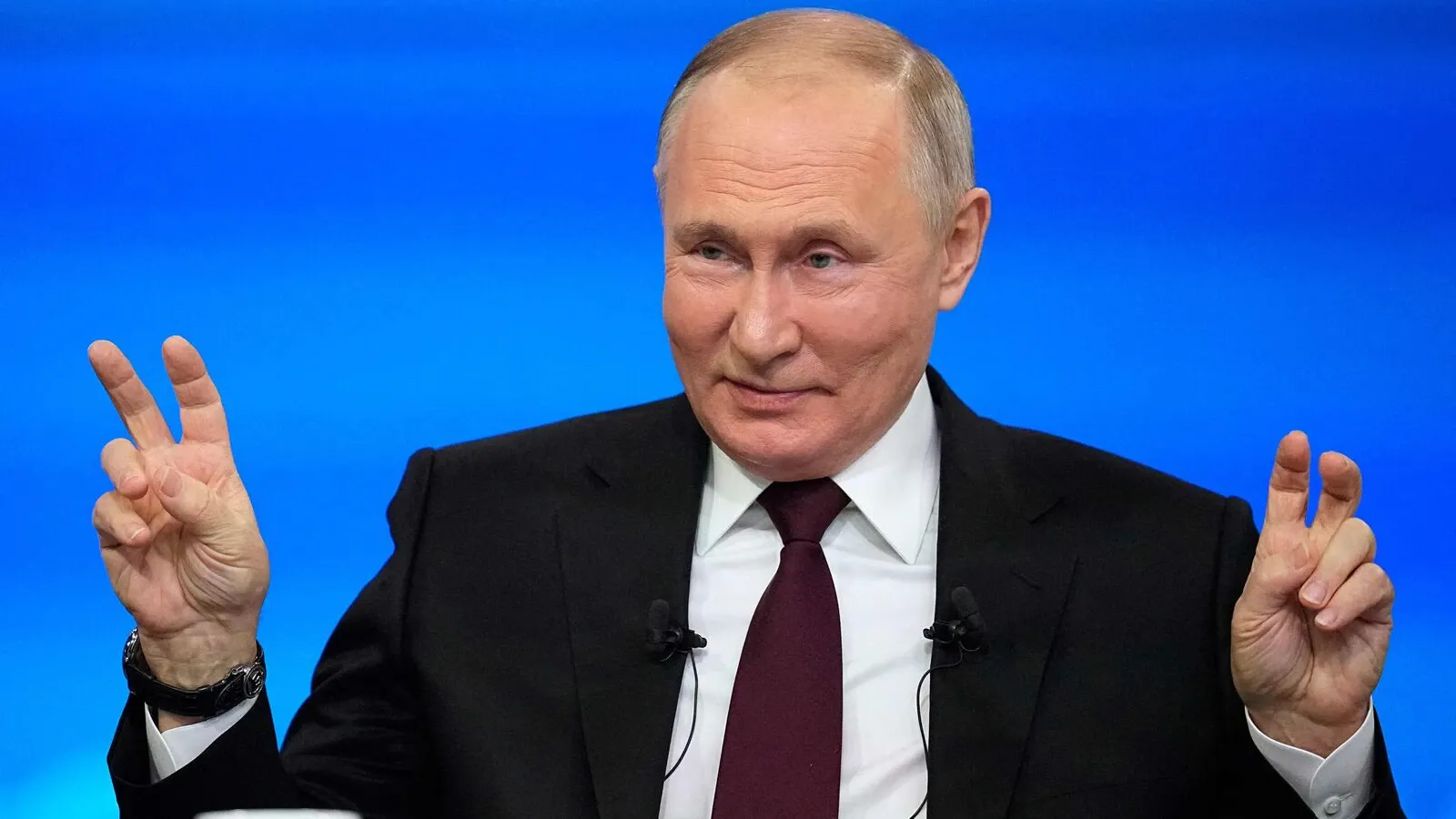
The peace process, therefore, hinges on Russia’s willingness to back down from these maximalist demands. However, as the conflict escalates and Russia suffers more military setbacks, there may be growing pressure on Putin to seek a negotiated settlement. The question remains whether Russia is prepared to make the necessary concessions to end the war or whether it will continue its hardline stance indefinitely.
The prospect of peace remains uncertain, but there is a glimmer of hope that new diplomatic efforts may break the current deadlock. As the world grows increasingly frustrated with the ongoing conflict, the international community is looking for fresh ideas and strategies to bring both sides to the table.
Ukraine’s future, and that of its people, may depend on finding a way to reconcile the need for peace with the need for justice. Whether through compromise on Crimea or some other arrangement, it is clear that the conflict can only end through negotiation. But with both sides holding firm on key issues, the road to peace is likely to be long and fraught with challenges.






0 comments